6 Steps to Prepare a Garden for a Heavy Hot Tub
Installing a 1,000-pound hot tub on unprepared soil compresses drainage layers, fractures underground utilities, and destabilizes landscaping within eighteen months. How to prepare a garden for a hot tub installation demands engineered substrate, load-distributed footings, and strategic grading that preserves root systems while supporting 4,000 pounds of combined water and vessel weight. A reinforced gravel base exchanges rainfall through capillary breaks, preventing the anaerobic conditions that suffocate feeder roots and promote Phytophthora rot in adjacent ornamental beds.
Materials
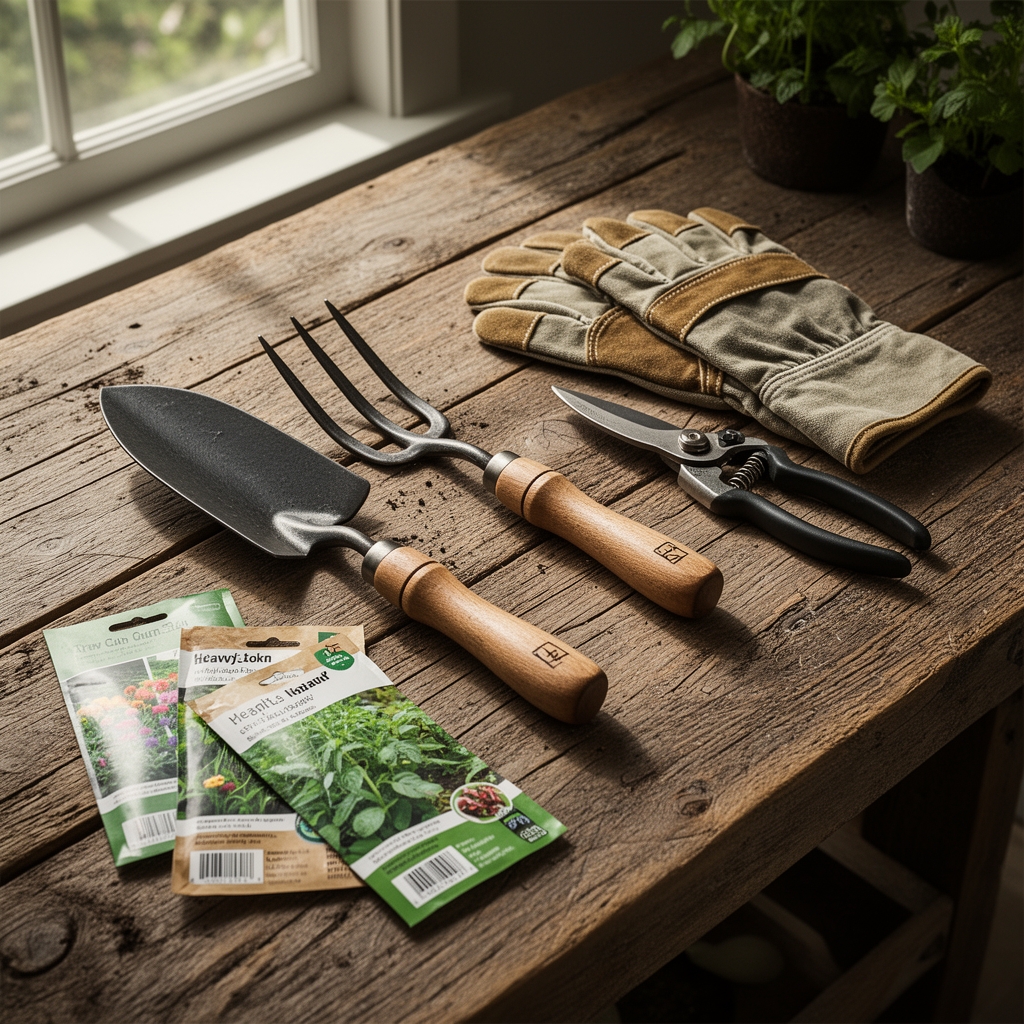
Gather 8 cubic yards of three-quarter-inch crushed limestone (pH 7.8-8.2) for the primary load-bearing layer. This alkaline aggregate neutralizes acidic runoff from cedar or redwood decking, protecting shallow-rooted perennials within 6 feet of the installation perimeter. Order 4 cubic yards of coarse sand (particle size 0.5-2 mm) to fill voids between limestone fragments and establish a uniform bearing surface.
Procure twelve 16-inch-square concrete patio blocks rated for 8,000 psi compressive strength. These act as point-load distributors beneath the hot tub frame, preventing subsidence in clay-heavy soils with cation exchange capacities above 25 meq/100g. Acquire landscape fabric with a 70-year lifespan and 200-pound puncture resistance to separate native soil from imported aggregate, blocking capillary rise while permitting vertical drainage at 50 gallons per square foot per hour.
Purchase 2 bags of 4-4-4 organic fertilizer blended from feather meal, bone meal, and greensand. Apply this balanced NPK ratio to transplanted shrubs and groundcovers after excavation stress interrupts auxin distribution. Obtain 1 cubic foot of endomycorrhizal inoculum (Rhizophagus irregularis strain) to recolonize disturbed root zones, accelerating phosphorus uptake by 300 percent in the recovery phase.
Timing
Execute excavation between USDA Hardiness Zone 4-7 late spring final frost dates (May 15-June 1) and the first autumn freeze (September 20-October 10). This 16-week window permits root reestablishment before winter dormancy halts cambial growth. In Zones 8-10, schedule work from October through February when soil temperatures below 65 degrees Fahrenheit reduce transplant shock by limiting transpiration demand.
Avoid installation during monsoon periods or whenever soil moisture exceeds field capacity by 15 percent. Saturated clay compresses into impermeable pans under machinery weight, creating perched water tables that drown feeder roots within 72 hours. Test bearing capacity with a handheld penetrometer; readings below 200 psi indicate excessive moisture requiring a 10-day drying interval.
Phases

Site Excavation
Mark a perimeter 18 inches wider than the hot tub footprint on all sides. Call 811 to locate buried electric, gas, and irrigation lines before breaking ground. Excavate to 12 inches depth using a plate compactor to remove topsoil and preserve its microbial community for later reuse in perimeter plantings.
Compact the exposed subgrade to 95 percent modified Proctor density. Install a 6-inch layer of crushed limestone, wetting and compacting in 2-inch lifts. Each pass with a 5,000-pound vibratory compactor increases bearing strength by 40 percent, preventing differential settlement that cracks hot tub shells.
Pro-Tip: Wet limestone to 8 percent moisture content by mass before compacting. This activates fines that cement aggregate particles, doubling shear resistance along the substrate's horizontal plane.
Base Assembly
Spread 2 inches of coarse sand over compacted limestone. Screed level using a straight 2×4, checking grade with a 4-foot spirit level. Tolerance must not exceed one-eighth inch over 10 feet to prevent pooling beneath the tub floor, where standing water breeds mosquito larvae and corrodes metal supports.
Position concrete patio blocks at manufacturer-specified load points, typically the four corners and mid-span reinforcements. Embed blocks one-half inch into sand, then verify co-planar alignment with a laser level. Variation beyond one-sixteenth inch introduces torque into the hot tub frame, warping acrylic shells and voiding warranties.
Pro-Tip: Mix 1 part Portland cement to 12 parts sand beneath each patio block. This lean-mix mortar cures within 48 hours, locking blocks against lateral creep caused by freeze-thaw cycles in northern climates.
Perimeter Restoration
Backfill the 18-inch margin with reserved topsoil amended to pH 6.2-6.8 using agricultural sulfur at 2 pounds per 100 square feet. Broadcast 4-4-4 fertilizer at 3 pounds per 100 square feet, incorporating to 4 inches depth. Transplant native grasses, sedges, or creeping thyme cultivars with fibrous root systems that stabilize soil without exerting pressure on the installation.
Inoculate transplant holes with 2 tablespoons of mycorrhizal fungi per plant. Water to field capacity immediately, then maintain 1 inch per week for 8 weeks to establish symbiotic hyphal networks that extend effective rooting depth by 400 percent.
Pro-Tip: Prune transplanted shrubs at 45-degree angles one-quarter inch above outward-facing buds. This redirects growth away from the hot tub and encourages branching that masks mechanical equipment.
Troubleshooting
Symptom: Surface puddling 6 inches from tub perimeter lasting more than 4 hours post-rainfall.
Solution: Core-aerate compacted zones to 8 inches depth, backfilling holes with pure sand to restore infiltration at 2 inches per hour.
Symptom: Yellowing foliage and stunted growth in adjacent plantings within 30 days of installation.
Solution: Test soil for compaction-induced anaerobiosis. Apply gypsum at 5 pounds per 100 square feet to flocculate clay particles, increasing macropore space by 18 percent.
Symptom: Concrete blocks shifting one-quarter inch annually.
Solution: Excavate beneath settled blocks and install geogrid fabric with 4,000-pound tensile strength. Refill with angular crushed stone that interlocks under load.
Symptom: Root exposure along tub edge after two growing seasons.
Solution: Install 12-inch-deep rhizome barriers made from 40-mil HDPE plastic, extending 8 feet from the hot tub footprint to redirect aggressive roots.
Maintenance
Irrigate perimeter plantings with 1 inch of water per week during establishment, delivered via drip emitters spaced 12 inches apart at 0.5 gallons per hour. After 12 weeks, reduce to 0.75 inches weekly, adjusting for rainfall measured with a manual rain gauge accurate to 0.01 inches.
Reapply 4-4-4 fertilizer each spring at 2 pounds per 100 square feet once foliar growth resumes. Suppress weeds with 3 inches of shredded hardwood bark mulch, maintaining a 4-inch gap from plant crowns to prevent collar rot caused by prolonged moisture contact.
Inspect concrete blocks biannually with a 4-foot level. Shim any block deviating more than one-eighth inch using composite shims rated for outdoor exposure. Test aggregate base permeability each autumn by pouring 2 gallons of water over a 1-square-foot area; complete absorption within 15 minutes confirms adequate drainage.
FAQ
How deep should excavation extend for permanent installations?
Dig 12 inches below grade in well-drained soils, 16 inches in clay with plasticity indexes above 20. Greater depth accommodates thicker aggregate layers that distribute weight across larger surface areas.
Can existing lawn remain beneath the hot tub pad?
No. Decomposing organic matter creates voids that collapse under sustained loads, inducing settlement. Remove all vegetation and topsoil to expose mineral subgrade.
What prevents frost heave in northern zones?
Extend the aggregate base 6 inches below local frost depth, typically 36-48 inches in Zone 4. Crushed stone's open structure drains groundwater that expands when frozen.
How soon can installation proceed after excavation?
Allow 72 hours for compacted aggregate to cure and shed excess moisture. Premature loading compromises bearing strength by 30 percent.
Which plants tolerate proximity to hot tub runoff?
Select halophytes like seashore paspalum or alkali sacaton that withstand pH fluctuations and elevated sodium concentrations from chlorinated water spills.