5 Best Plants for Rock Landscapes
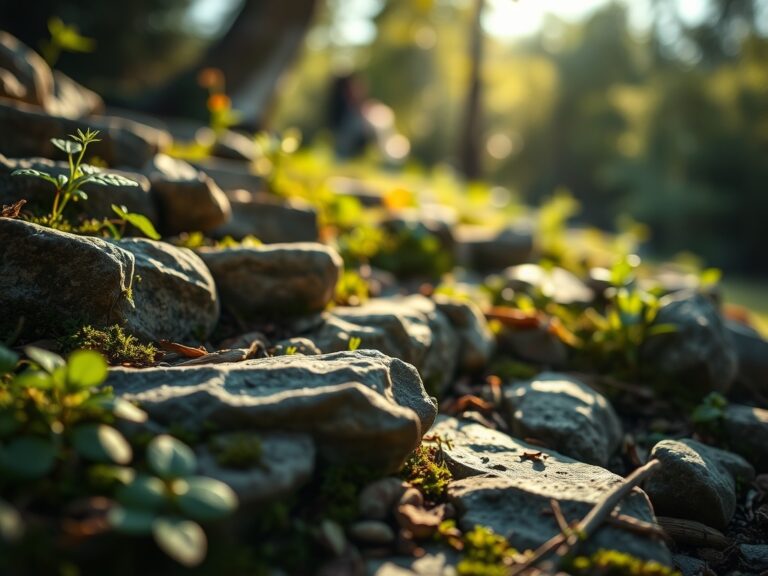
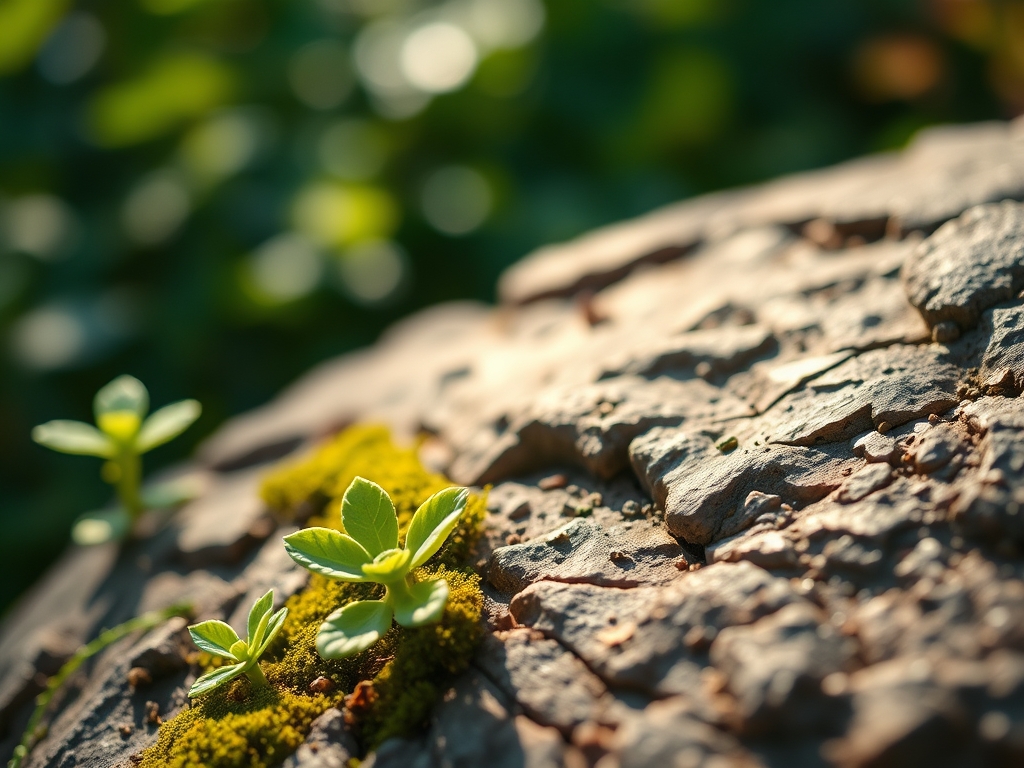
Crushing a handful of dry, gritty substrate reveals the harsh reality of the lithic environment; there is no room for structural weakness when selecting the best plants for rock landscapes. Success in these high-drainage, heat-retentive zones depends entirely on maintaining high turgor pressure within the cellular walls of the specimen. Rock gardens create a unique microclimate where thermal mass from stones can increase ambient temperatures by as much as 10 degrees Fahrenheit compared to surrounding turf. This heat radiation accelerates transpiration rates, demanding plants with specialized epidermal layers or deep taproots. Selecting species that thrive in low-organic matter environments is not a matter of aesthetics but of physiological compatibility. You are looking for botanical survivors that can anchor their rhizosphere into narrow crevices while resisting the desiccating effects of wind and sun. The goal is a self-sustaining ecosystem where the mineral composition of the rock supports the structural integrity of the flora. These five selections represent the pinnacle of drought tolerance and mineral efficiency for your stony terrain.
Materials:
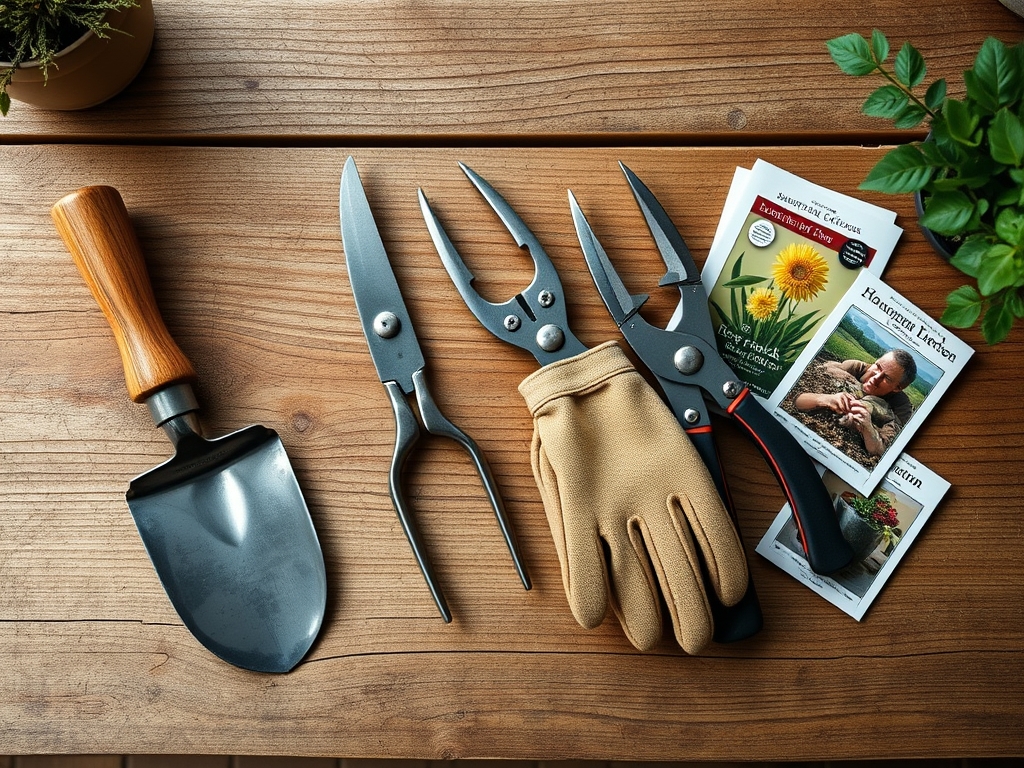
The best plants for rock landscapes require a substrate that is friable, gritty, and sharply draining. A standard mix consists of 50 percent crushed granite or pea gravel, 25 percent coarse sand, and 25 percent composted organic matter. This composition ensures a high Cation Exchange Capacity (CEC) while preventing waterlogging at the root crown.
1. Sedum spurium (Two-row Stonecrop)
- Soil pH: 6.5 to 7.5
- NPK Ratio: 5-10-10 (Low nitrogen prevents leggy growth)
- Texture: Gritty, mineral-heavy loam.
2. Thymus praecox (Creeping Thyme)
- Soil pH: 7.0 to 8.0 (Slightly alkaline)
- NPK Ratio: 10-10-10 (Balanced for foliar and root development)
- Texture: Sandy, well-aerated soil.
3. Sempervivum tectorum (Hens and Chicks)
- Soil pH: 6.0 to 7.0
- NPK Ratio: 0-10-10 (Phosphorus and Potassium focus for cold hardiness)
- Texture: Porous volcanic rock or scree.
4. Aurinia saxatilis (Basket of Gold)
- Soil pH: 6.5 to 7.5
- NPK Ratio: 5-10-5
- Texture: Stony, poor-quality soil with high drainage.
5. Phlox subulata (Creeping Phlox)
- Soil pH: 6.5 to 6.8
- NPK Ratio: 10-10-10
- Texture: Moist but well-drained loamy sand.
Timing:
The biological clock of rock-dwelling species is dictated by the transition from vegetative growth to reproductive senescence. Most rock landscape plants belong to USDA Hardiness Zones 3 through 9. Planting should occur when soil temperatures reach a consistent 55 degrees Fahrenheit (13 degrees Celsius). This usually falls between late March and early May, depending on your specific latitude.
Avoid planting during the summer solstice when the photoperiod is at its peak; the high light intensity can lead to photoinhibition, where the plant shuts down its photosynthetic machinery to prevent oxidative damage. Fall planting is also viable, provided it occurs 6 to 8 weeks before the first hard frost. This allows the root system to establish sufficient biomass to survive the winter dormancy phase. During dormancy, the plant reduces its metabolic rate and concentrates sugars in the root cells to act as a biological antifreeze.
Phases:

Sowing and Site Preparation
Before introducing any specimen, clear the area of all perennial weeds using a hori-hori knife to extract the entire taproot. Dig a hole twice the width of the root ball but no deeper. For seeds, surface-sow and press firmly into the grit to ensure seed-to-soil contact.
Pro-Tip: Ensure the crown of the plant sits 0.5 inches above the soil line. This prevents crown rot by allowing gravity to pull moisture away from the sensitive junction where the stem meets the roots. This physical positioning is vital because many rock plants lack the protective bark found on woody shrubs to resist fungal pathogens in moist conditions.
Transplanting
When moving a plant from a nursery pot to the rock garden, inspect the root architecture. If the plant is pot-bound, gently score the roots to break the circular growth pattern. Place the plant in the hole and backfill with the gritty mix described in the materials section.
Pro-Tip: Incorporate a handful of mycorrhizal inoculant into the planting hole. This symbiotic fungus extends the reach of the root system, increasing the plant's ability to absorb phosphorus and water from microscopic rock fissures. This biological partnership is the primary reason plants thrive in seemingly barren, rocky environments.
Establishing
The first 21 to 30 days are critical for establishment. During this window, the plant transitions from relying on its internal water stores to drawing moisture from the surrounding substrate.
Pro-Tip: Avoid high-nitrogen fertilizers during the establishment phase to prevent auxin suppression. Excessive nitrogen can stimulate rapid top growth at the expense of root development. By keeping nitrogen low, you encourage the plant to allocate its carbon resources to the rhizosphere, creating a more resilient specimen that can withstand future droughts.
The Clinic:
Symptom: Interveinal Chlorosis
- Diagnosis: Iron or Magnesium deficiency, often caused by high soil pH (alkalinity) locking out micronutrients.
- Solution: Apply a chelated iron foliar spray or adjust soil pH with elemental sulfur to reach a 6.5 target.
Symptom: Leaf Abscission and Soft Stems
- Diagnosis: Overwatering or poor drainage leading to root hypoxia (lack of oxygen).
- Solution: Cease irrigation immediately. Use a soil moisture meter to ensure the top 2 inches of substrate are dry before re-watering.
Symptom: Stunted Growth and Purplish Foliage
- Diagnosis: Phosphorus deficiency, common in cold, wet soils where nutrient uptake is slowed.
- Fix-It: Apply a water-soluble fertilizer with a high middle number (e.g., 10-30-10) once soil temperatures exceed 60 degrees Fahrenheit.
Maintenance:
Precision is the hallmark of professional rock garden maintenance. Use a soil moisture meter to verify that the root zone is receiving exactly 1 inch of water per week during the first growing season; after establishment, many of these species require no supplemental irrigation unless a drought exceeds 14 days.
Pruning should be performed with bypass pruners sterilized with 70 percent isopropyl alcohol to prevent the spread of pathogens. For Phlox subulata and Aurinia saxatilis, shear the plants back by one-third immediately after flowering. This practice prevents the plant from diverting energy into seed production and instead promotes compact, vegetative growth. Remove spent blooms to maintain the plant's aesthetic and prevent self-seeding in unwanted crevices. Every three years, use your hori-hori knife to divide overgrown clumps of Sempervivum or Sedum, replanting the offsets to maintain the desired density.
The Yield:
While rock landscape plants are primarily ornamental, many, such as Thymus praecox, offer a harvestable yield. For maximum essential oil concentration, harvest thyme stems in the morning after the dew has evaporated but before the sun reaches its zenith. Use sharp snips to cut the top 2 to 3 inches of green growth.
To maintain "day-one" freshness and potency, do not wash the herbs until immediately before use. Store harvested stems in a sealed container at 40 degrees Fahrenheit. For ornamental flowers like Aurinia, cut the stems when 50 percent of the florets are open. Immediately plunge the cut ends into 110-degree Fahrenheit water to break any air bubbles in the xylem, ensuring maximum hydration and vase life.
FAQ:
How often should I water my rock garden?
Established rock plants require approximately 1 inch of water every 10 to 14 days. Use a moisture meter to check the top 3 inches of soil. If the probe reads "dry," provide deep, localized irrigation at the drip line.
What is the best mulch for rock landscapes?
Avoid wood chips which retain too much moisture. Use crushed stone, gravel, or expanded shale. A 1-inch layer of mineral mulch suppresses weeds while reflecting light back into the canopy and keeping the plant crown dry.
Can I grow rock plants in clay soil?
Heavy clay lacks the macropores necessary for drainage. To succeed, you must amend the area with 50 percent coarse grit or build raised mounds. Without these structural changes, the plants will succumb to root rot during winter.
Why are my succulents turning yellow and mushy?
This indicates root hypoxia from overwatering. The plant's cells are rupturing due to excessive turgor pressure. Stop all irrigation and ensure the substrate has a high percentage of inorganic material like perlite or crushed granite.