6 Best Wood for Garden Decking
The scent of damp humus and the sharp tang of freshly cut cellulose define the transition from raw earth to a structured landscape. A garden deck is more than a platform; it is a structural intervention that alters the microclimate of the underlying rhizosphere. Selecting the best wood for garden decking requires an understanding of how timber interacts with local humidity, soil moisture, and fungal pathogens. Wood density and tannin content determine whether a deck survives the constant osmotic pressure of the outdoors.
The structural integrity of a deck relies on the material's resistance to decay and its ability to withstand UV-induced lignin degradation. Softwoods offer ease of installation but require chemical stabilization to prevent rot. Hardwoods provide superior density and natural resistance to boring insects. When integrating a deck into a horticultural space, the wood must not leach phytotoxic chemicals into the surrounding soil. The best wood for garden decking must balance durability with the health of the nearby plant community.
Materials:
The soil beneath and around your decking should maintain a **pH between 6.0 and 7.0** to ensure optimal nutrient availability for perimeter plantings. A **friable loam** with high porosity is essential to prevent water from pooling against the structural posts. Before installation, amend the soil with a balanced **NPK ratio of 10-10-10** to support the root systems of nearby perennials that may be disturbed during construction.
High Cation Exchange Capacity (CEC) in the soil ensures that the minerals required for plant turgor are not leached away by runoff from the deck surface. If using pressure-treated lumber, monitor the soil for copper accumulation, which can inhibit the uptake of iron in sensitive species. Use a geotextile fabric over the soil surface to prevent weed emergence while maintaining gas exchange within the soil profile.
Timing:
Installation should occur during periods of low soil moisture to prevent compaction. In Hardiness Zones 4 through 7, the ideal window is late autumn after the first killing frost or early spring before the soil thaws completely. This timing respects the Biological Clock of the garden; most woody perennials are in a state of senescence or dormancy, reducing the risk of transplant shock if roots are disturbed.
The transition from the vegetative stage to the reproductive stage in surrounding plants is a high-energy process. Avoid heavy construction during the peak of the vernal equinox when auxin levels are highest and new growth is most susceptible to mechanical damage. Aim for a soil temperature of 50 degrees Fahrenheit or lower to ensure that the microbial activity in the rhizosphere is minimized during the structural phase.
Phases:
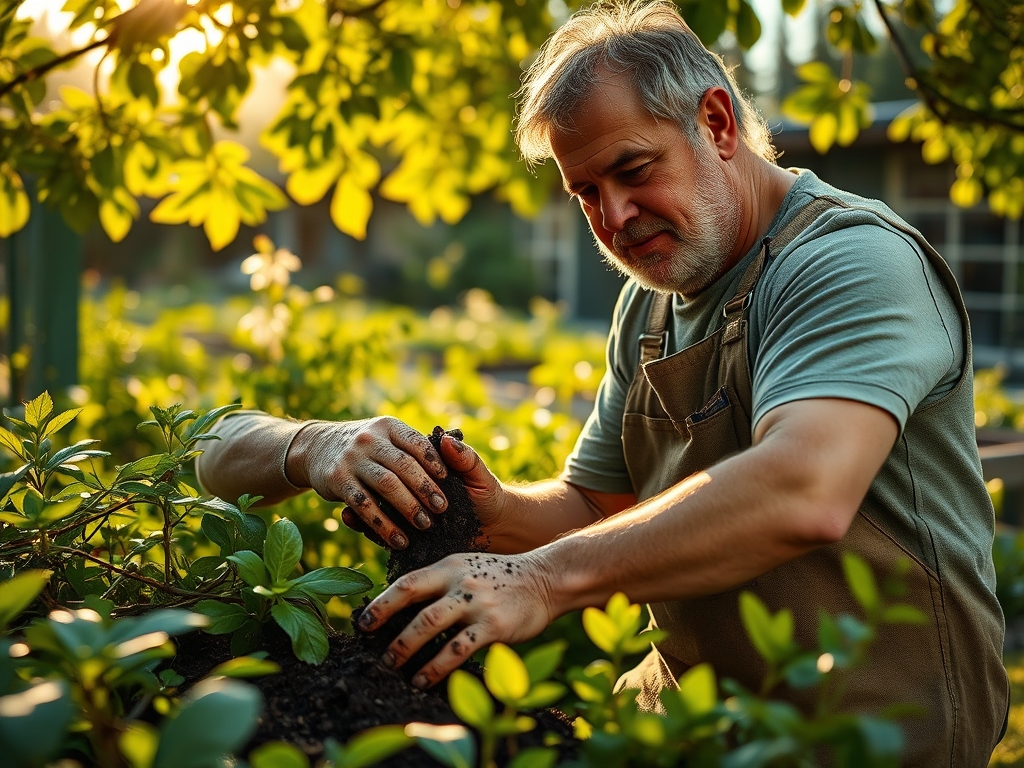
### Sowing the Perimeter
When planting around a new deck, focus on species that tolerate partial shade created by the structure. Incorporate organic matter to improve the **water-holding capacity** of the soil.
**Pro-Tip:** Ensure proper spacing to allow for **air circulation**. This prevents the buildup of stagnant humidity that triggers fungal sporulation on both the wood and the foliage.
Transplanting Near Structures
Move existing plants at least 24 inches away from the deck frame to allow for future maintenance access. Dig a hole twice the width of the root ball to encourage lateral root expansion.
Pro-Tip: Use a mycorrhizal inoculant during transplanting. This promotes a symbiotic relationship between fungi and roots, significantly increasing the plant's ability to absorb phosphorus and water in disturbed sites.
Establishing the Decking
Select from these six superior options: Ipe, Western Red Cedar, Redwood, Teak, Black Locust, and Thermally Modified Ash. Ipe boasts a Janka hardness of 3,680 lbf, making it nearly impervious to physical wear. Western Red Cedar contains natural thujaplicins, which act as organic fungicides.
Pro-Tip: Pre-drill all holes in hardwoods to prevent splitting. This maintains the structural integrity of the wood fibers and prevents the entry of moisture into the vascular bundles of the timber.
The Clinic:
Physiological disorders in plants near decking often stem from altered light patterns or chemical runoff.
Symptom: Interveinal chlorosis (yellowing leaves with green veins).
Solution: This indicates Iron deficiency, often caused by high soil pH from concrete footings. Apply chelated iron to the soil.
Symptom: Leaf scorch or marginal necrosis.
Solution: This is often a result of reflected heat from the deck surface. Increase irrigation frequency to maintain turgor pressure during peak sun hours.
Symptom: Stunted growth and dark purple foliage.
Solution: Phosphorus deficiency is common in cold, compacted soils near construction sites. Apply a high-phosphorus fertilizer (NPK 5-20-10) to the root zone.
Fix-It: For Nitrogen chlorosis (general paling of older leaves), apply a slow-release urea fertilizer. Ensure the application is at the drip line to avoid burning the crown.
Maintenance:
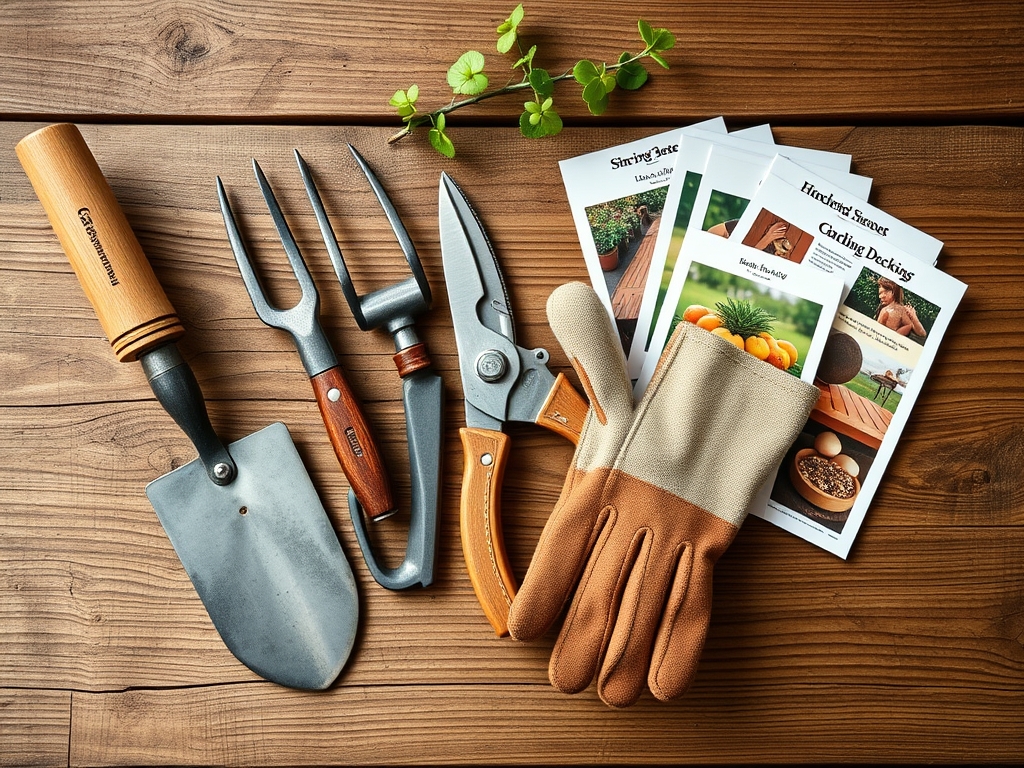
A deck requires consistent oversight to ensure it does not negatively impact the garden ecosystem. Provide 1.5 inches of water per week at the drip line of all perimeter plants, using a soil moisture meter to verify depth. Use a hori-hori knife to remove weeds that emerge between the deck boards and the soil interface, ensuring you extract the entire taproot.
Prune overhanging branches with bypass pruners to maintain a gap of at least 12 inches between foliage and wood. This prevents moisture traps and reduces the risk of pathogenic fungi migrating from the garden to the decking. Inspect the wood annually for signs of "soft rot" or "brown rot," which occur when the moisture content of the wood exceeds 20 percent.
The Yield:
If your decking incorporates integrated planters for herbs or edibles, harvest timing is critical. Harvest leafy greens in the early morning when turgor pressure is at its maximum; this ensures the crispest texture. For woody herbs like rosemary, prune no more than one-third of the plant at a time to avoid stalling the growth cycle.
Post-harvest, submerge herbs in 40-degree Fahrenheit water to remove field heat immediately. This slows the rate of respiration and extends the shelf life. For floral yields, cut stems at a 45-degree angle and place them in a solution with a pH of 3.5 to 4.5 to maximize water uptake through the xylem.
FAQ:
What is the most durable wood for a garden deck?
Ipe is the most durable, with a lifespan exceeding 40 years. Its high density and natural oils provide extreme resistance to decay, insects, and moisture, making it ideal for ground-level contact in humid environments.
How does cedar resist rot in a garden?
Cedar contains extractives called thujaplicins and phenolics. These natural chemical compounds are toxic to decay-causing fungi, allowing the wood to remain structurally sound without the need for intensive synthetic chemical treatments.
Can I use pressure-treated wood near a vegetable garden?
Modern pressure-treated wood uses ACQ or MCQ (copper-based) fungicides. While safer than older arsenic-based treatments, it is best to line planters or use a physical barrier to prevent direct copper leaching into the edible plant's rhizosphere.
Why is thermal modification used for decking?
Thermal modification heats wood to over 400 degrees Fahrenheit in an oxygen-free environment. This process alters the cellular structure, removing sugars that fungi feed on and significantly increasing the wood's dimensional stability and rot resistance.
How do I prevent mold on my garden deck?
Ensure a minimum of 2 inches of ground clearance and maintain 1/4-inch gaps between boards. This facilitates airflow, reducing the surface moisture that allows fungal spores to germinate and colonize the wood fibers.