6 Steps to Prepare a Heavy-Duty Wheelbarrow
Learning how to prepare a wheelbarrow for heavy loads prevents structural failure during the most demanding garden tasks. A properly maintained wheelbarrow supports 200-300 pounds of wet soil, compost, or aggregate stone without tipping, axle stress, or premature tire wear. Professional landscapers inspect tire pressure, lubricate pivot points, and balance loads before every heavy-duty operation to extend equipment life by 40-60 percent.
Materials
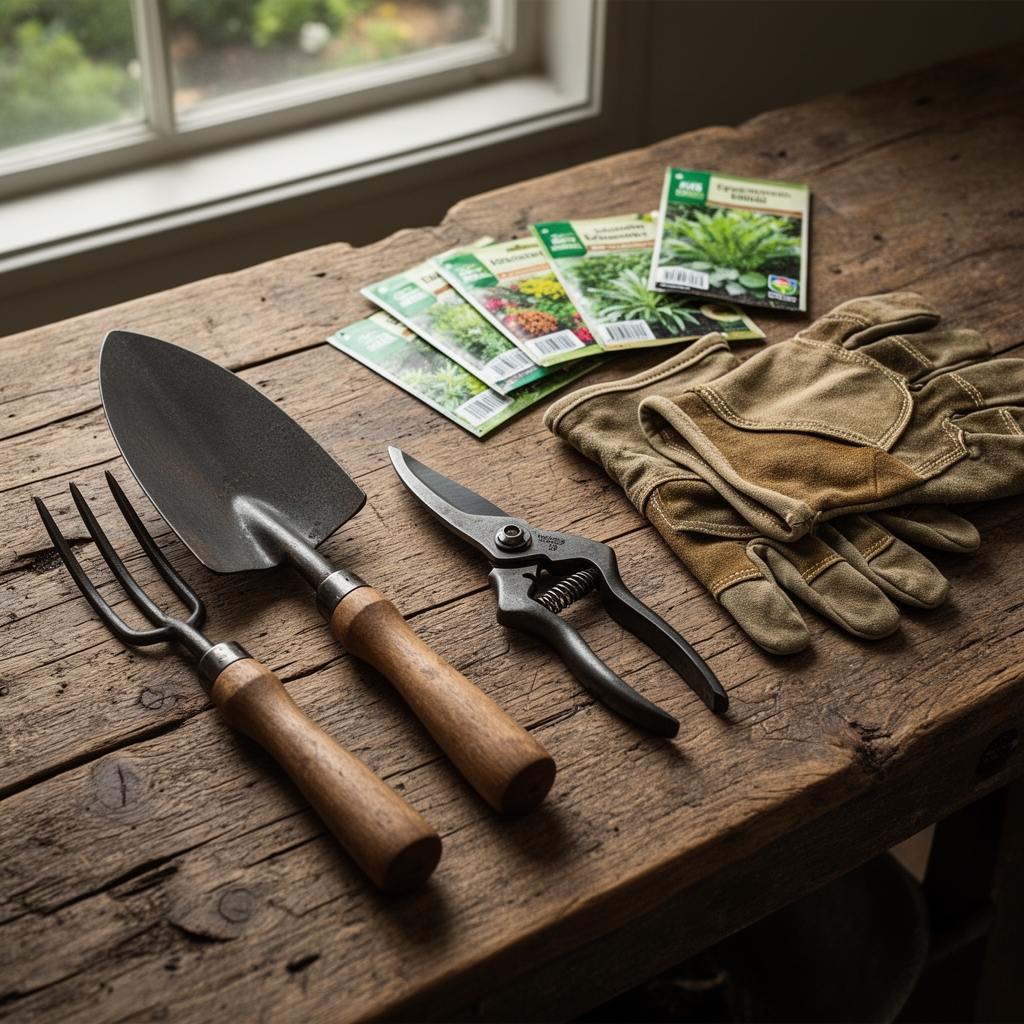
A steel-tray wheelbarrow with 16-inch pneumatic tire forms the foundation. Choose models rated for 300-pound capacity with cross-braced undercarriage supports. Grease the axle bearing with lithium-based lubricant rated to 400°F. Apply rust-preventive primer (zinc-phosphate base) to any exposed metal seams.
For ongoing maintenance, keep a tire pressure gauge (0-60 PSI range), adjustable wrench set (8-19mm), and penetrating oil on hand. Wooden handles require annual linseed oil treatment to prevent moisture intrusion and splitting. Polyurethane tire sealant prevents slow leaks in environments where thorns, sharp aggregate, or construction debris puncture standard rubber.
Wheelbarrow use often coincides with soil amendment applications. Blood meal (12-0-0 NPK) and bone meal (3-15-0 NPK) are common heavy loads. Composted manure typically registers 1-1-1 NPK with neutral pH of 6.5-7.0. These organic amendments increase cation exchange capacity in clay soils, improving nutrient retention over 12-18 months.
Timing
Prepare your wheelbarrow in early spring, two weeks before the last expected frost date in USDA Hardiness Zones 4-9. This window aligns with soil temperatures reaching 50°F, when compost spreading and mulch application begin. In Zone 10-11, perform maintenance in late December before winter vegetable planting.
Inspect tire condition monthly during peak growing season (April through October). Check axle play and handle integrity every six weeks under heavy use. Reapply grease to wheel bearings after every 40 hours of operation or when transporting loads exceeding 200 pounds.
Phases

Inspection Phase: Invert the wheelbarrow and examine the axle for lateral movement exceeding 3mm. Remove the wheel and pack the bearing hub with 2 ounces of lithium grease, rotating the axle to distribute lubricant across all ball bearings. Check wooden handles for cracks longer than 1 inch or deeper than 2mm. Sand splits and seal with three coats of boiled linseed oil, allowing 24 hours between applications.
Pro-Tip: Apply diatomaceous earth around axle housing to prevent carpenter ants from nesting in wooden handle joints during summer storage.
Load Balancing Phase: Position the heaviest material directly over the axle centerline, 8-10 inches forward of the wheel hub. Distribute 60 percent of total weight in the front third of the tray. This configuration reduces handlebar lift force by 35-40 percent and prevents backward tipping on uneven terrain.
Test balance by lifting handles to waist height while empty. The wheelbarrow should remain level without forward or backward rotation. Adjust foot position to stand 18-24 inches behind handles, maintaining a 15-degree forward lean during transport.
Pro-Tip: Mark the optimal load center with a 4-inch stripe of reflective paint to speed loading during repetitive tasks.
Operational Phase: Inflate pneumatic tires to 32-35 PSI for soft soil and turf, 38-40 PSI for gravel paths and concrete. Under-inflation by 5 PSI increases rolling resistance by 18 percent and accelerates sidewall degradation. Check pressure before each loaded trip exceeding 150 pounds.
Push the wheelbarrow with arms slightly bent, using leg drive rather than lower back extension. Navigate slopes at a 30-degree angle to grade rather than straight up or down. This reduces tip risk by 50 percent on inclines steeper than 12 degrees.
Pro-Tip: Apply a 2-inch layer of landscape fabric in the tray bottom when hauling fine materials like sand or vermiculite. This prevents material from bonding to tray seams and reduces cleanup time by 60 percent.
Troubleshooting
Symptom: Wheel wobble exceeds 1 inch at rim during rotation.
Solution: Replace axle bearings. Remove circlip, extract damaged bearings with bearing puller, press new bearings (typically 5/8-inch bore) into hub using arbor press or socket driver. Repack with lithium grease.
Symptom: Tire loses 5+ PSI within 48 hours.
Solution: Submerge inflated tire in water to locate leak. Patch punctures under 1/4 inch with vulcanizing patch kit. Replace tire if sidewall cracking extends through two or more tread layers or if bead separation occurs.
Symptom: Handles flex more than 2 inches under 100-pound load.
Solution: Sister damaged handles with 1×2-inch hardwood strips. Apply exterior wood adhesive and clamp for 12 hours. Install 3-inch galvanized bolts every 8 inches along handle length.
Symptom: Tray shows rust penetration deeper than surface oxidation.
Solution: Wire-brush affected areas to bare metal. Apply rust converter containing tannic acid, wait 24 hours, then coat with zinc-rich primer and oil-based enamel. For perforations, braze patch or replace tray.
Symptom: Axle binds during rotation, requiring excessive push force.
Solution: Disassemble wheel assembly and clean axle shaft with degreaser. Remove dirt, plant debris, and old grease. Inspect for scoring deeper than 0.5mm. Repack bearings or replace axle if damage exceeds specification.
Maintenance
Apply 1 ounce of penetrating oil to axle bolt threads every three months. Store wheelbarrows inverted or vertical to prevent water accumulation in the tray, which accelerates rust formation. Rinse tray with garden hose after transporting wet concrete, manure, or acidic materials (pH below 5.5).
Tighten handle bolts to 25 foot-pounds torque after the first 10 hours of use, then quarterly. Replace pneumatic tires every 18-24 months under professional use, 36-48 months for residential applications. Maintain 1/8-inch clearance between tire and tray edge to prevent rubbing during loaded operation.
FAQ
What tire pressure works best for heavy loads?
Inflate to manufacturer maximum (typically 40 PSI) when hauling 200+ pounds. Higher pressure reduces rolling resistance by 22 percent and prevents pinch flats on uneven ground.
How do I prevent tipping on slopes?
Keep load weight within 18 inches of the axle. Travel diagonally across slopes rather than straight up. Reduce load size by 30 percent on grades steeper than 15 degrees.
When should I replace wooden handles?
Replace when cracks extend through more than 40 percent of handle diameter or when flex exceeds 3 inches under normal load. Splits longer than 4 inches compromise structural integrity.
Can I convert to solid tires?
Solid polyurethane tires eliminate flats but increase push force by 15-20 percent and transfer more vibration to handles. Use only on smooth, hard surfaces.
How often should I grease the axle?
Repack bearings every 40 operating hours or twice per growing season, whichever comes first. Increase frequency to monthly when transporting corrosive materials.