8 Tips to Use a String Trimmer for Professional Edging
The sharp whir of a string trimmer against pavement announces the difference between a maintained lawn and a professionally manicured one. Using a string trimmer for lawn edging transforms ragged borders into crisp, architectural lines that frame turf with surgical precision. The technique demands more than brute force. It requires understanding rotational dynamics, blade angle geometry, and the relationship between cutting velocity and grass species recovery rates.
Materials
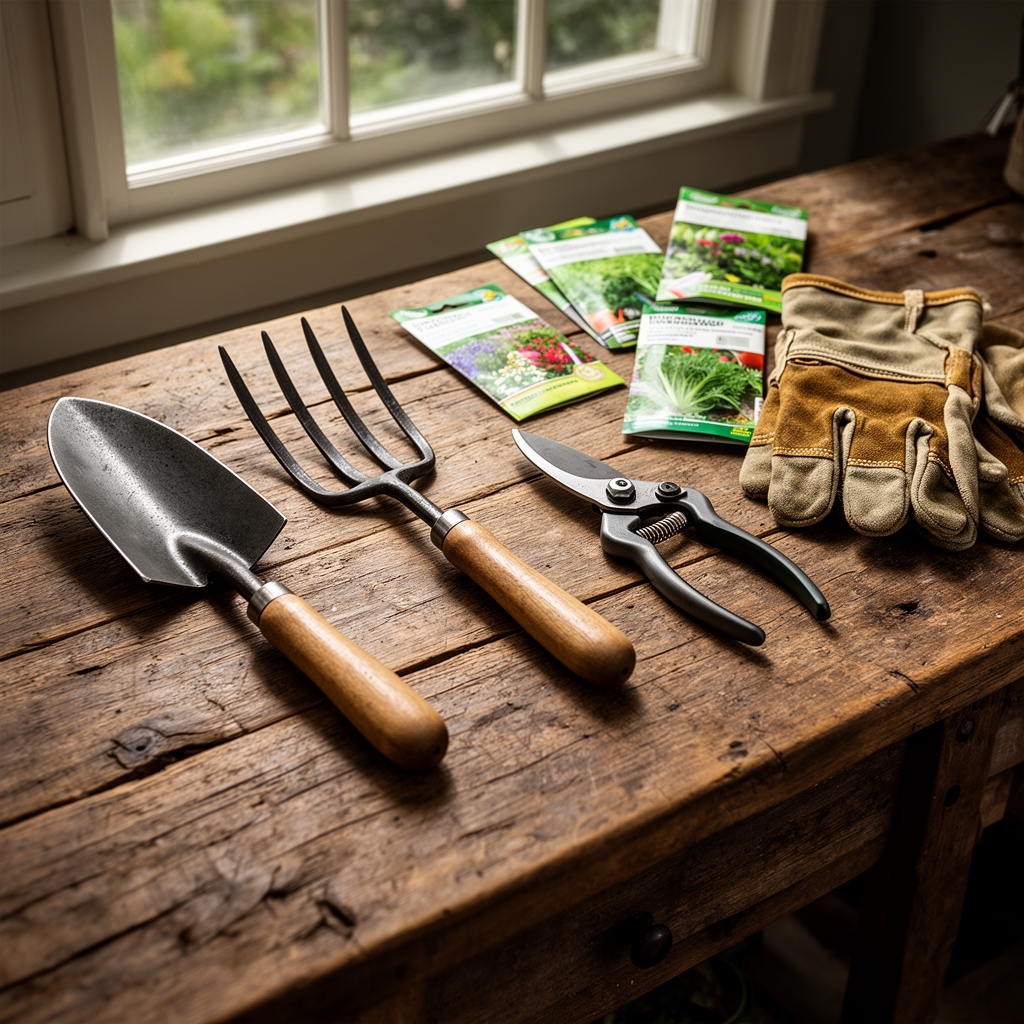
Selecting the proper equipment parallels choosing amendments based on cation exchange capacity. A curved-shaft trimmer suits light work in soils with pH 6.0-7.0, while straight-shaft models deliver the torque needed for dense root mats common in acidic conditions below pH 5.5.
Gas-powered units rated at 25-30cc provide consistent output comparable to a 10-10-10 synthetic fertilizer: reliable but requiring careful calibration. Electric models operate like a 4-4-4 organic blood meal, offering gentler delivery with lower environmental residue. Battery platforms in the 40-60 volt range now match two-stroke performance while eliminating carbon deposits.
Line diameter determines cutting aggression. 0.065-inch line suits fine fescues and bentgrass. 0.080-inch handles perennial ryegrass and Kentucky bluegrass. 0.095-inch line tackles zoysia and Bermuda grass stolons that spread like aggressive mycorrhizal networks. Round line offers clean cuts. Twisted line increases surface area for fibrous species. Serrated profiles shear through lignified stems exceeding 3mm diameter.
Safety equipment remains non-negotiable. Polycarbonate eye protection rated ANSI Z87.1+ guards against projectiles traveling 150+ mph. Leather boots with reinforced toes prevent fascial tears. Hearing protection rated NRR 25+ preserves cochlear function during extended operations.
Timing
Edging schedules follow hardiness zones more strictly than frost dates. In Zones 7-9, edge every 10-14 days during active growth from April through September. Cool-season grasses in Zones 3-6 require edging every 7-10 days during spring and fall peaks when auxin distribution drives vertical and lateral growth simultaneously.
Morning operations between 8-10 AM allow dew evaporation while avoiding midday heat stress that compromises cell wall integrity. Soil moisture at field capacity, approximately 50-75% of water-holding capacity, prevents excessive root exposure while maintaining clean cuts. Edging during drought conditions below 25% moisture content pulverizes soil aggregates, destroying structure.
Avoid edging within 48 hours of nitrogen application exceeding 0.5 pounds per 1,000 square feet. Fresh growth exhibits reduced lignification, leading to tearing rather than cutting. Wait 72 hours after broadleaf herbicide application when auxinic compounds have translocated to meristematic tissues.
Phases

Establishing the Initial Edge
Create the primary border using a flat-blade edger to cut through rhizomes and stolons. Remove organic matter to expose mineral soil at a 90-degree angle. This establishes a root barrier mimicking allelopathic zones in native plant communities. Depth should reach 2-3 inches into the B horizon.
Pro-Tip: Apply granular trifluralin at 0.5 pounds active ingredient per 1,000 linear feet along new edges. This pre-emergent creates a chemical barrier lasting 90-120 days, suppressing adventitious root formation.
Maintaining Vertical Geometry
Hold the trimmer at 15-20 degrees from vertical, advancing at 1-2 feet per second. The string should contact soil at the lower third of its arc. This angle mimics natural root pruning observed in compacted zones with bulk density exceeding 1.6 g/cm³.
Overlap passes by 30-40% to prevent scalloping. Multiple light passes preserve more vascular tissue than single aggressive cuts. Grass recovers like plants respond to proper pruning: clean wounds seal faster through suberization and callus formation.
Pro-Tip: Reverse direction every 10 feet. This compensates for string wear patterns and prevents drift caused by gyroscopic torque, maintaining parallel lines within 0.5-inch tolerance.
Finishing and Cleanup
Blow debris into turf areas where it decomposes, returning nitrogen at approximately 0.1 pounds per 1,000 square feet. Hard surfaces require removal to prevent staining from phenolic compounds in grass clippings. Wet clippings bind to concrete through polysaccharide adhesion within 3-4 hours.
Pro-Tip: Apply liquid kelp extract at 1:500 dilution along fresh edges. The cytokinins and gibberellins accelerate wound healing by 30-40%, reducing pathogen entry points for Rhizoctonia and Pythium species.
Troubleshooting
Symptom: Torn grass blades with brown margins extending 1-2 inches from edge.
Solution: Replace worn line. Increase RPM by 500-1,000. Dull line crushes vascular bundles rather than severing them, creating necrotic tissue vulnerable to Bipolaris leaf spot.
Symptom: Scalped areas exposing soil and crown tissue.
Solution: Reduce forward speed by 50%. Raise cutting plane 0.25 inches. Scalping removes apical meristems, forcing plants to regenerate from basal buds, delaying recovery by 14-21 days.
Symptom: Uneven edge with wave patterns every 6-8 inches.
Solution: Check for bent shaft. Verify line feeds symmetrically. Wobble indicates bearing failure or debris in the clutch assembly affecting centrifugal balance.
Symptom: Excessive soil ejection creating ruts.
Solution: Edge only to soil surface. Cutting into mineral soil destroys aggregates, reducing infiltration rates by 40-60%. This compaction mimics vehicle traffic damage.
Symptom: Grass rebounds over edge within 5-7 days.
Solution: Decrease interval to weekly. Apply growth regulator containing trinexapac-ethyl at 0.05-0.1 pounds per acre along borders. This reduces internode elongation by inhibiting gibberellic acid biosynthesis.
Maintenance
Edge every 10 days during peak growth. Inspect line before each session. Replace when diameter decreases below 90% of original specification. Clean air filters every 8-10 hours of operation. Dirty filters reduce RPM by 800-1,200, compromising cut quality.
Store trimmer with empty fuel tank. Ethanol-blended fuels absorb atmospheric moisture, creating acids that corrode aluminum and brass components within 30-45 days. Add fuel stabilizer containing antioxidants if storage exceeds 14 days.
Sharpen metal blades every 20 linear feet using 400-grit diamond files at original bevel angle. Apply light machine oil to prevent oxidation. Dull edges compress rather than cut, triggering stress responses similar to drought conditions.
FAQ
How deep should edging cuts penetrate?
Contact soil surface only. Cutting 0.5-1 inch into mineral soil suffices for maintenance. Deeper cuts expose roots to desiccation and pathogen colonization.
Can I edge wet grass?
Avoid edging when moisture exceeds 40% of dry weight. Wet tissue tears irregularly. Wait until morning dew evaporates and blade surfaces appear matte rather than glossy.
What causes string to break frequently?
Contact with concrete, stone, or metal causes instantaneous failure. Reduce speed near hard surfaces. Use bump-feed heads cautiously to prevent over-extension into impact zones.
Should I edge before or after mowing?
Edge after mowing. This removes height differentials that obscure sight lines. Clippings from subsequent mowing bury edge debris, accelerating decomposition through microbial activity.
How do I prevent grass from growing into edges?
Apply pre-emergent herbicides containing dithiopyr or prodiamine at label rates along borders. Maintain 2-3 inch mulch depth in beds to suppress rhizome emergence through light exclusion.