9 Protection Steps on How to Prepare Your Garden for a Heatwave
The first sign of an approaching heatwave is the way soil pulls away from container edges, leaving half-inch gaps where moisture once lived. Clay particles bake into ceramic-hard clumps, and even the earthworms retreat 12 inches down to escape surface temperatures that can spike to 140°F. Learning how to prepare a garden for a summer heatwave isn't optional anymore; it's the difference between harvesting bushels in August or watching $200 worth of transplants turn to brittle skeletons in 72 hours. The preparation work happens in three distinct phases: fortifying soil structure, manipulating microclimates, and selecting genetics that laugh at 95°F afternoons.
Materials & Supplies
Soil Amendments (Per 100 sq ft)
- 2 cubic feet aged compost (pH 6.5-7.0)
- 1 pound mycorrhizal fungi inoculant (Glomus intraradices species)
- 3 pounds worm castings (NPK 1-0-0)
- 5 pounds biochar (increases water retention by 18%)
Protective Materials
- 50% shade cloth (aluminum-coated, not plastic mesh)
- 4 mil agricultural row cover (allows 70% light transmission)
- Organic mulch: shredded bark or straw, 4-6 inches depth
- Burlap squares (24×24 inches) for vulnerable specimens
Irrigation Components
- Drip tape with 8-inch emitter spacing
- Soaker hoses (0.5 GPH per foot rating)
- Rain gauge (measure to 1/100th inch)
- Soil moisture meter (reads at 6-inch depth)
Fertilizers & Supplements
- Kelp meal (NPK 1-0-2) for potassium boost
- Fish emulsion (5-1-1) diluted to half strength
- Calcium chloride spray (prevents blossom end rot)
Timing & Growing Schedule
Hardiness Zones 7-10 face the most brutal summer conditions. In Zone 8b, soil temperatures reach 85°F by mid-June, which is 15 degrees above optimal root function for cool-season crops. Plan protection measures when nighttime lows stop dipping below 65°F for five consecutive days.
Critical Windows
- 21 days before predicted heatwave: Install shade structures
- 14 days prior: Apply mulch layers, prune excess foliage
- 7 days prior: Deep water to 12-inch depth, inoculate with beneficial bacteria
- 48 hours before: Final irrigation, apply anti-transpirant spray
Days to Maturity shift during heat stress. Tomatoes rated for 75 days can extend to 90-100 days when daytime highs exceed 92°F for two weeks. The pollen becomes sterile above 90°F, halting fruit set entirely.
Step-by-Step Instructions
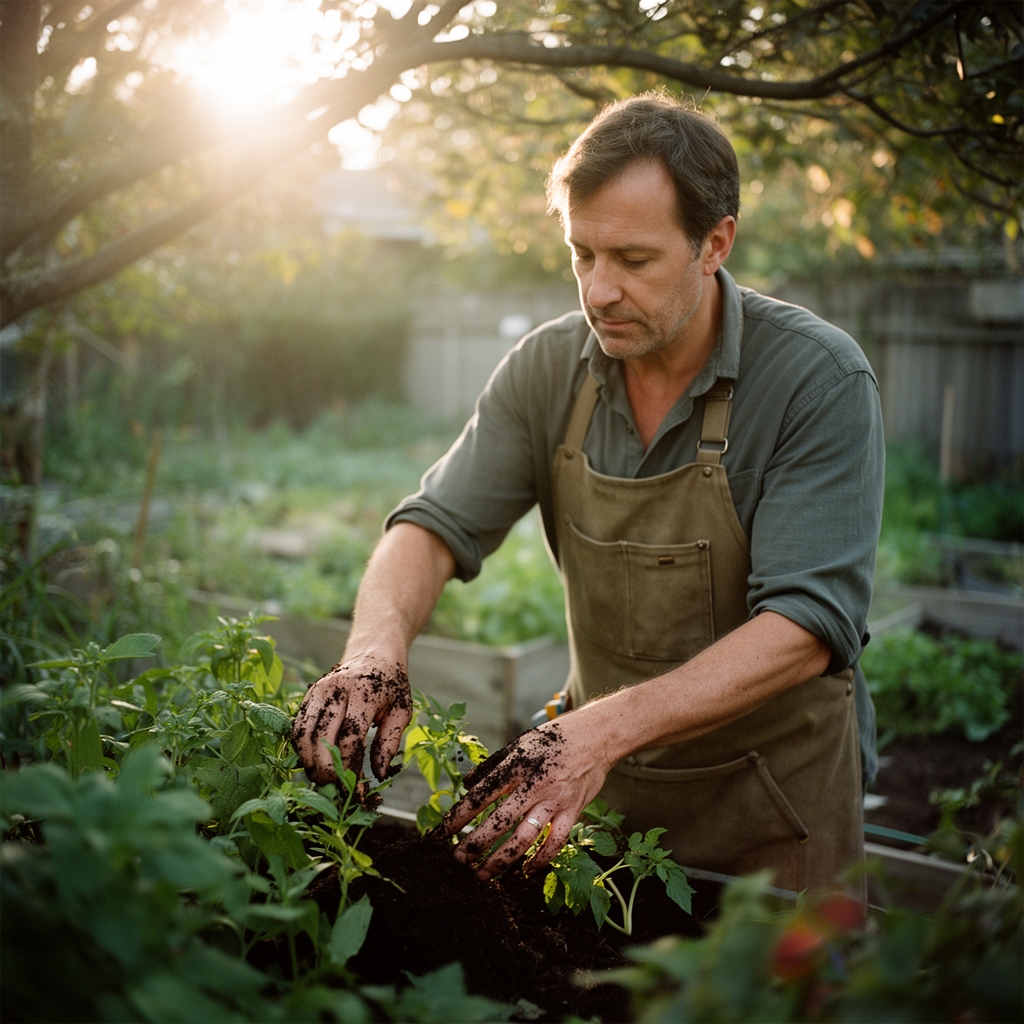
Phase 1: Soil Fortification (Weeks 3-4 Before Heatwave)
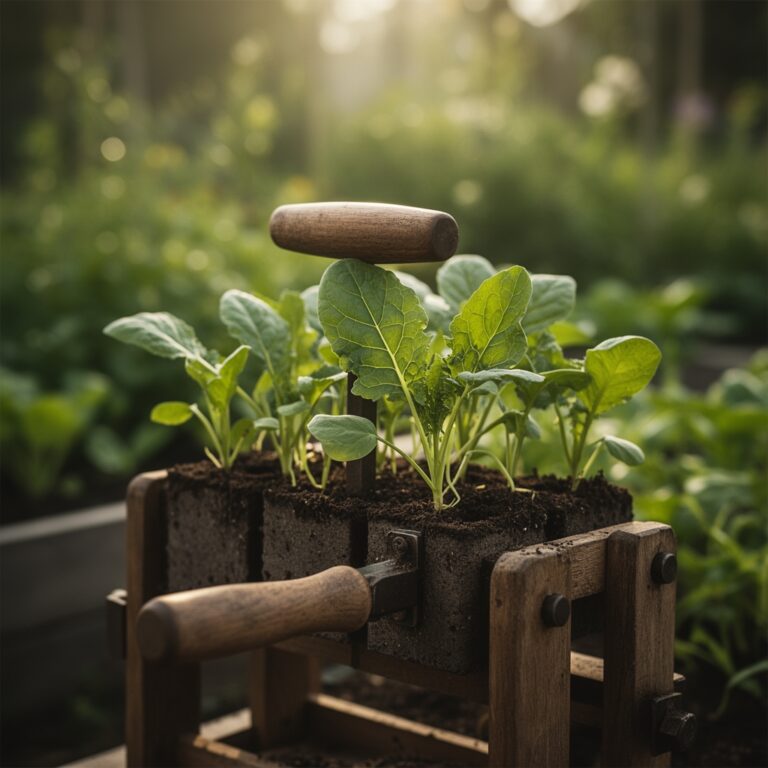
Water garden zones to field capacity (soil holds moisture but drains freely). Spread 2 inches of aged compost across beds. Work biochar into top 4 inches using a broadfork, not a tiller (preserves soil structure and fungal networks). Mix mycorrhizal fungi with transplant holes or seed furrows at manufacturer's rate, typically 1 tablespoon per plant.
Pro-Tip: Apply compost in evening when soil temperature drops below 75°F. Microorganisms survive better during cooler application periods.
Phase 2: Microclimate Engineering (Weeks 1-2 Before)
Install shade cloth on south and west exposures, angled at 45 degrees to allow morning sun penetration. Position fabric 18-24 inches above plant canopy for air circulation. Secure with UV-resistant zip ties; wind gusts will destroy inadequately anchored cloth.
Apply 4-6 inches of organic mulch around plants, keeping material 3 inches away from stems to prevent rot. Shredded hardwood bark reflects 30% more solar radiation than straw. Mulch reduces soil temperature by 10-15°F at root zone depth.
Pro-Tip: Wet mulch thoroughly after application. Dry mulch can wick moisture away from soil in first 48 hours.
Phase 3: Plant Physiological Prep (Final Week)
Prune 20-30% of leafy biomass from tomatoes, peppers, and squash. This counterintuitive move reduces transpiration demands by 40%. Remove lower leaves first, maintaining upper canopy for photosynthesis. Spray remaining foliage with anti-transpirant (forms breathable polymer coating) at 7 AM or 8 PM.
Water to 12-inch depth using the slow-soak method: run soaker hoses for 90 minutes or apply 2 inches total irrigation over 6-hour period. Check depth with a soil probe or by digging inspection holes.
Pro-Tip: Add 1 tablespoon unsulfured blackstrap molasses per gallon of irrigation water. Feeds beneficial bacteria that protect roots from heat stress.
Phase 4: Container Strategy
Move pots to east-facing locations where they receive 4-6 hours morning sun only. Group containers together; collective evaporation creates 5-degree cooler microclimate. Wrap terracotta pots in burlap soaked in water (evaporative cooling drops container temperature by 8-12°F).
Double-pot sensitive plants: place growing container inside larger pot with 2-inch gap, fill gap with moistened peat moss.
Pro-Tip: Paint plastic containers white or wrap in aluminum foil. Dark containers reach 140°F on west exposures, cooking roots in place.
Nutritional & Environmental Benefits
Heat-stressed plants accumulate higher levels of antioxidant compounds like lycopene (increases 23% in tomatoes) and vitamin C (up 15% in peppers) as protective mechanism. These phytonutrients transfer directly to your harvest.
Proper heatwave prep protects nitrogen fixation in legume roots. Every square foot of healthy bean plants adds 0.15 pounds nitrogen to soil annually, reducing fertilizer dependence. Maintained flowering plants support Mason bee populations through August nectar drought; these native pollinators are 120 times more heat-tolerant than honeybees.
Mulch layers harbor ground beetles that consume 50 cutworms per beetle per season. The moisture retention supports earthworm populations; their castings contain 5 times more nitrogen, 7 times more phosphorus than surrounding soil.
Advanced Methods
Small Space Adaptations
Vertical gardens on north-facing walls escape afternoon solar bombardment entirely. Install trellis systems 6 inches from wall surface for air circulation. Use white-painted walls as reflective backing (boosts photosynthesis by 18% during morning hours).
Hanging baskets with built-in reservoirs (sub-irrigation design) reduce watering frequency from twice daily to every 48 hours. Add hydrogel crystals to potting mix at 1 tablespoon per gallon; they absorb 400 times their weight in water.
Organic & Permaculture Strategies
Plant nitrogen-fixing cowpeas as living mulch between rows. Their dense foliage shades soil while roots host Rhizobium bacteria that convert atmospheric nitrogen. Harvest greens continually; regrowth stays 8-12 inches tall naturally.
Establish hugelkultur mounds in fall for next season. Buried wood holds moisture like underground reservoirs, releasing water gradually during drought. A 4-foot-wide mound stores 45 gallons in decomposing logs.
Sheet mulch pathways with corrugated cardboard covered by wood chips. This combination drops soil temperature by 20°F in walking areas, reducing overall garden heat load.
Season Extension Through Heat
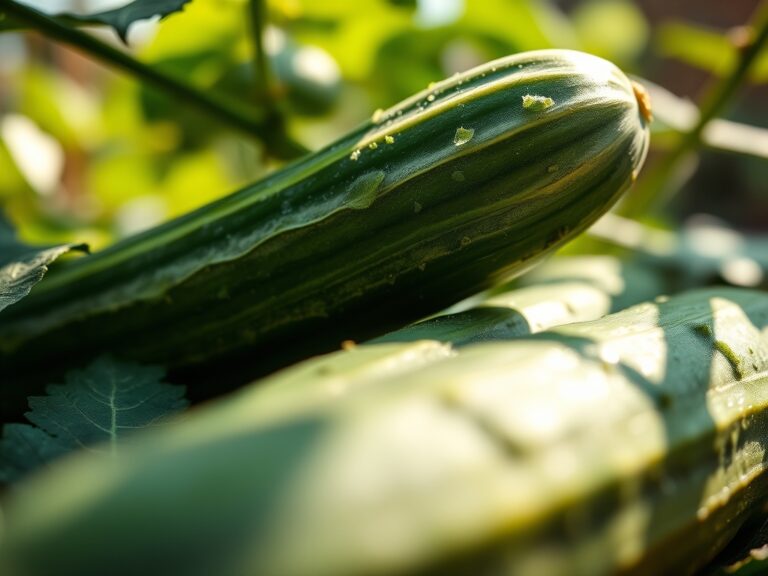
Select bolt-resistant varieties: 'Jericho' romaine withstands 90°F for 14 days, 'Nevada' summer lettuce grows actively at 85°F. Plant heat-loving crops (Armenian cucumber, yard-long beans, Malabar spinach) that thrive in conditions that destroy standard varieties.
Succession plant every 10 days through July using shade cloth nursery. Transplants establish faster than direct-seeded crops during heat stress.
Troubleshooting
Symptom: Wilting at midday despite adequate soil moisture, recovery by evening
Solution: Install temporary shade (40-50% density) over affected plants. Wilting indicates transpiration exceeds root uptake capacity. Reduce leaf area by 15-20% if pattern continues for 3 days.
Symptom: Blossom drop on tomatoes and peppers, no fruit set
Solution: Pollen denatures above 90°F. Apply shade cloth to drop canopy temperature to 85-88°F. Hand-pollinate flowers between 6-8 AM when pollen viability peaks. Use electric toothbrush vibration on flower stems.
Symptom: Leaf edges browning, progressing inward from margins
Solution: Classic potassium deficiency triggered by heat stress (roots can't absorb nutrients efficiently). Foliar feed with kelp extract (1 tablespoon per gallon) every 5 days. Spray leaf undersides in early morning.
Symptom: Sudden plant collapse, entire plant wilts permanently
Solution: Root death from superheated soil (above 95°F at root zone). Apply 2 inches additional mulch immediately. Water surrounding plants to 10-inch depth. Prevention requires continuous mulch maintenance.
Symptom: Split fruits on tomatoes, radial cracking from stem
Solution: Inconsistent watering causes cells to expand too rapidly. Maintain even soil moisture using drip irrigation on timer (15 minutes every 12 hours). Calcium spray reduces splitting incidence by 60%.
Storage & Maintenance
Irrigation Protocol
Deliver 1-1.5 inches of water per week through drip or soaker systems. During heatwaves exceeding 95°F, increase to 2 inches weekly. Water in 6 AM to 9 AM window; soil absorbs 85% versus 45% absorption rate at 3 PM.
Check soil moisture at 4-inch depth before watering. If soil clumps when squeezed but doesn't muddy your palm, moisture is adequate. Install moisture sensors at root zone depth; set to trigger irrigation when reading drops below 35%.
Feeding Schedule
Suspend high-nitrogen fertilizers during extreme heat (above 92°F for 5+ consecutive days). Nitrogen promotes leafy growth that increases transpiration stress. Switch to low-dose foliar kelp spray (NPK 1-0-2) every 7 days.
Resume balanced feeding (5-5-5) when nighttime temperatures drop consistently below 70°F. Side-dress with compost at 1 inch depth, 6 inches from stem.
Post-Heatwave Recovery
Remove damaged foliage only if 50% or more of leaf surface is necrotic. Plants need remaining tissue for photosynthesis during recovery. Apply compost tea (diluted 1:4) to re-establish beneficial microbes killed by soil temperature spikes.
Test soil pH after extended heatwave; it can shift 0.5 points acidic. Adjust with dolomitic lime if below 6.0 for vegetables.
Conclusion
The success blueprint for heatwave protection layers three elements: fortified soil biology that buffers temperature stress, engineered shade that manipulates light without eliminating photosynthesis, and irrigation timing that matches plant physiological needs to water availability. Gardens prepared using these nine steps survive 105°F weeks while producing harvestable yields, not just staying alive. Document your protection methods in a garden journal with daily high temperatures; this data builds your site-specific heatwave response protocol for next season.
Share your most effective heat protection technique in local gardening forums or neighborhood groups. Your specific microclimate solution (a south-facing brick wall strategy, container grouping pattern, or mulch combination) might be the exact information another gardener needs to save their season.
Expert FAQs
How long before a predicted heatwave should I start preparing my garden?
Begin soil fortification 21-28 days before forecasted extreme temperatures. Mycorrhizal fungi need 14 days minimum to colonize root systems and improve water uptake efficiency. Shade structures and mulch can be applied 7-10 days prior, but earlier installation allows plants to acclimate to modified light levels without simultaneous heat stress.
What's the maximum safe temperature for most vegetable gardens?
Most vegetables suffer cellular damage when leaf tissue exceeds 95°F for more than 4 hours daily. Tomatoes and peppers stop pollen production at 90°F, effectively halting reproduction. Cool-season crops (lettuce, spinach, broccoli) begin bolting above 80°F. Shade cloth that reduces ambient temperature by 8-12°F in the plant canopy keeps most species in productive range during 100°F+ air temperatures.
Should I fertilize during a heatwave or wait until it passes?
Suspend root-zone fertilization entirely when soil temperatures exceed 85°F. Plant roots become semi-dormant and cannot process nutrients effectively; excess fertilizer accumulates as salts that pull moisture from roots through osmosis. Switch to half-strength foliar kelp spray applied at dawn. Resume normal feeding 5-7 days after daytime highs drop below 90°F consistently.
Can I plant anything successfully during summer heat?
Yes, but select heat-adapted genetics specifically. Armenian cucumber, Malabar spinach, yard-long beans, and okra germinate and grow actively in 90-95°F soil temperatures. Start seeds in shade-protected nursery area, transplant at 4-6 leaf stage into prepared beds with established drip irrigation. Avoid planting tomatoes, peppers, or squash when nighttime lows stay above 75°F; transplant shock combines with heat stress for 60%+ mortality rate.
How do I know if my mulch layer is thick enough?
Insert a soil thermometer through mulch to bare soil surface at 2 PM on a sunny day. If soil temperature reads above 85°F, add 2 more inches of mulch. Adequate mulch keeps root zone at 75-80°F when air temperature hits 100°F. Check mulch depth monthly; organic materials decompose 30% faster during heat, settling from 6 inches to 3-4 inches in 8 weeks.