5 Expert Tips How to Grow Yellow Squash
The smell of damp, nitrogen-rich earth combined with the high turgor pressure of a rigid, bristled leaf defines the peak of the cucurbit season. Success requires more than casual planting; you must master the physiological demands of the plant to maximize fruit set. Understanding how to grow yellow squash starts with managing the metabolic rate of Cucurbita pepo. This plant demands high solar radiation and specific thermal units to convert soil nutrients into dense, succulent tissue.
Materials:

Optimal cultivation begins with a soil pH between 6.0 and 6.8. This range ensures maximum bioavailability of micronutrients. The substrate must be a friable loam with a high Cation Exchange Capacity (CEC) to retain essential ions. Before sowing, incorporate a balanced 10-10-10 NPK starter fertilizer into the top six inches of the soil. As the plant enters the reproductive phase, transition to a 5-10-10 NPK ratio. Higher phosphorus and potassium levels support flower development and fruit density without overstimulating vegetative growth. Ensure your site has a minimum of eight hours of direct solar exposure to drive the high photosynthetic rates required for fruit production.
Timing:
Yellow squash is highly sensitive to thermal fluctuations. Do not transplant or sow until the soil temperature consistently reaches 65 degrees Fahrenheit. In Hardiness Zones 3 through 10, the biological clock of the plant is dictated by the last frost date. The vegetative stage typically lasts 35 to 45 days, followed by a rapid transition to the reproductive stage. This shift is triggered by the accumulation of Growing Degree Days (GDD). If you plant too early, the cold soil will cause root stunting and metabolic inhibition. In warmer climates, utilize a second planting window in late summer to avoid the peak populations of seasonal insects that disrupt the plant's vascular system.
Phases:

Sowing
Direct sow seeds one inch deep in hills spaced three feet apart. Place three seeds per hill to ensure a successful stand. Once the first true leaves emerge, thin to the strongest seedling.
Pro-Tip: Maintain consistent moisture during germination to prevent the seed coat from hardening. The Biological Why involves the process of imbibition; the seed must absorb enough water to activate the enzymes that break down stored starches into energy for the emerging radicle.
Transplanting
If starting indoors, use biodegradable peat or paper pots to minimize root disturbance. Squash roots are highly sensitive to mechanical damage. Move seedlings outdoors when they have two sets of true leaves.
Pro-Tip: Apply a mycorrhizal inoculant to the planting hole. The Biological Why is to establish a symbiotic relationship where fungal hyphae extend the root system's reach, significantly increasing the uptake of phosphorus and water through the rhizosphere.
Establishing
During the first three weeks, focus on biomass accumulation. Monitor the turgor pressure in the stems. If the plant wilts during the heat of the day but recovers by evening, the root system is still expanding.
Pro-Tip: Use a straw mulch to regulate soil temperature and prevent fruit-to-soil contact. The Biological Why is to suppress auxin production in the lower nodes, which encourages a more upright growth habit and better airflow through the canopy.
The Clinic:
Symptom: Blossom End Rot
Solution: This is a physiological disorder caused by calcium localized deficiency. Ensure consistent irrigation to facilitate the transport of calcium through the xylem. Avoid high-nitrogen fertilizers that cause rapid growth spurts, which outpace the plant's ability to distribute calcium.
Symptom: Powdery Mildew
Solution: This fungal pathogen appears as white, flour-like spots on leaves. Increase airflow by thinning the canopy and avoid overhead irrigation. Use a potassium bicarbonate spray to alter the leaf surface pH, making it inhospitable for fungal spores.
Symptom: Nitrogen Chlorosis
Fix-It: If older leaves turn yellow while veins remain green, the plant is experiencing nitrogen deficiency. Apply a side-dressing of blood meal or a liquid fish emulsion to provide an immediate nitrogen boost to the rhizosphere.
Symptom: Poor Fruit Set
Fix-It: This often results from a lack of pollination or extreme heat exceeding 90 degrees Fahrenheit, which can render pollen sterile. Hand-pollinate in the early morning by transferring pollen from the male stamen to the female stigma using a small brush.
Maintenance:
Precision irrigation is the cornerstone of squash health. Apply 1.5 inches of water per week directly at the drip line. Use a soil moisture meter to verify that the moisture has penetrated at least six inches deep. Avoid wetting the foliage, as moisture on the leaves facilitates the germination of fungal pathogens.
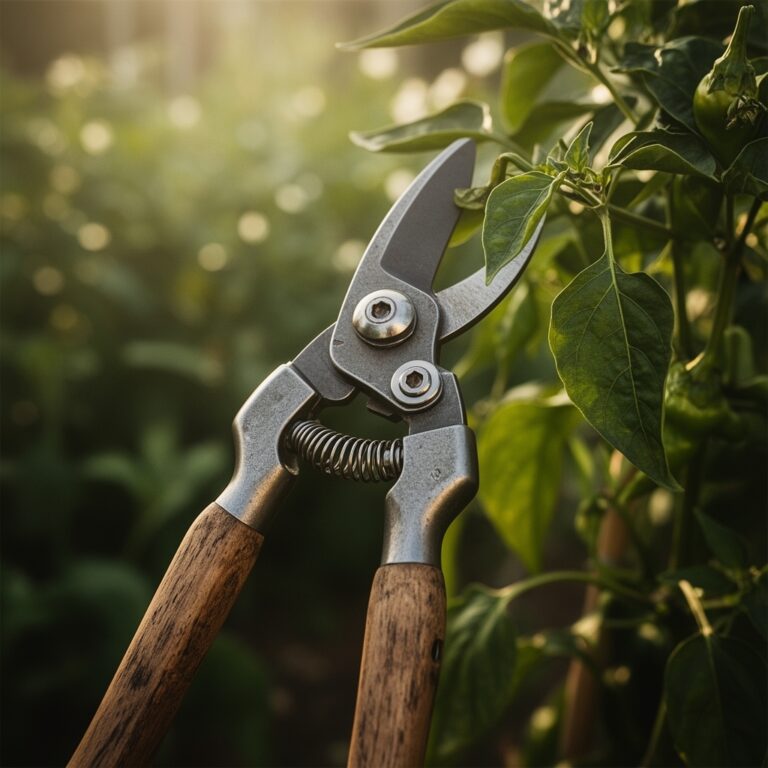
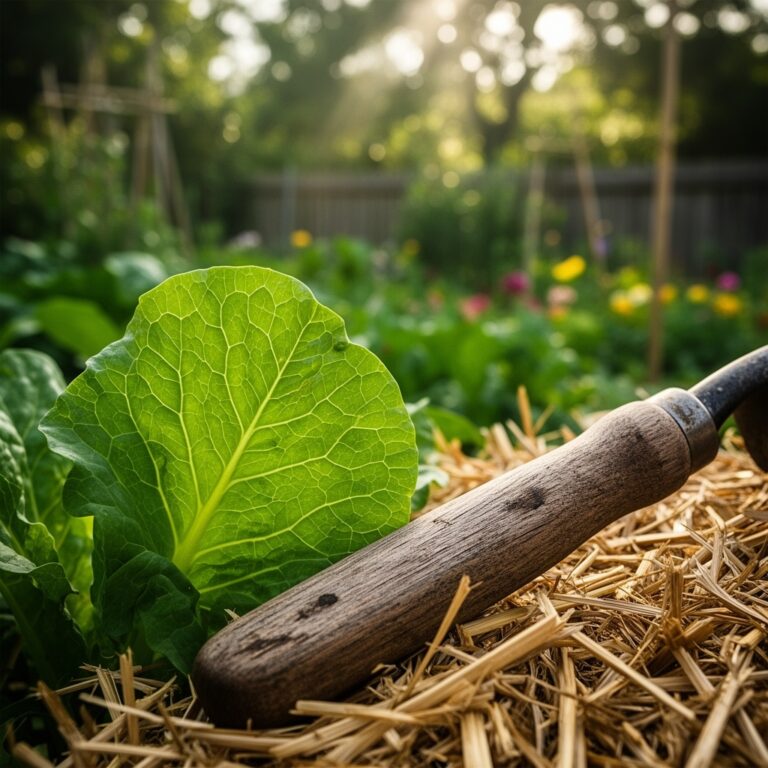
Use a hori-hori knife to remove weeds within the immediate root zone without disturbing the shallow lateral roots of the squash. If the canopy becomes too dense, use bypass pruners to remove older, senescing leaves from the base of the plant. This practice improves light penetration to the developing fruit and increases the efficiency of the plant's photosynthetic mantle. Always sanitize tools with a 10 percent bleach solution between plants to prevent the mechanical transmission of viral pathogens.
The Yield:
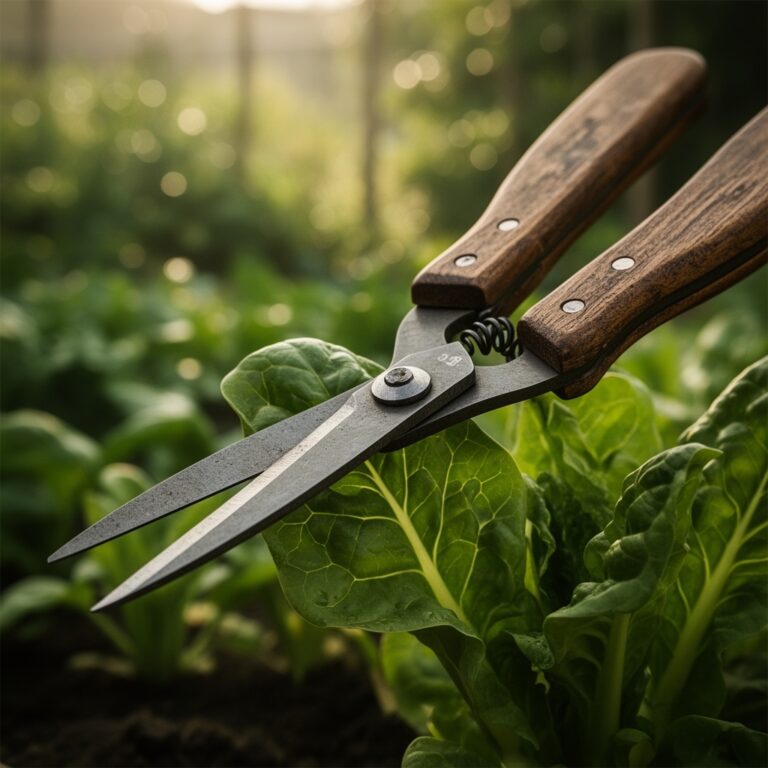
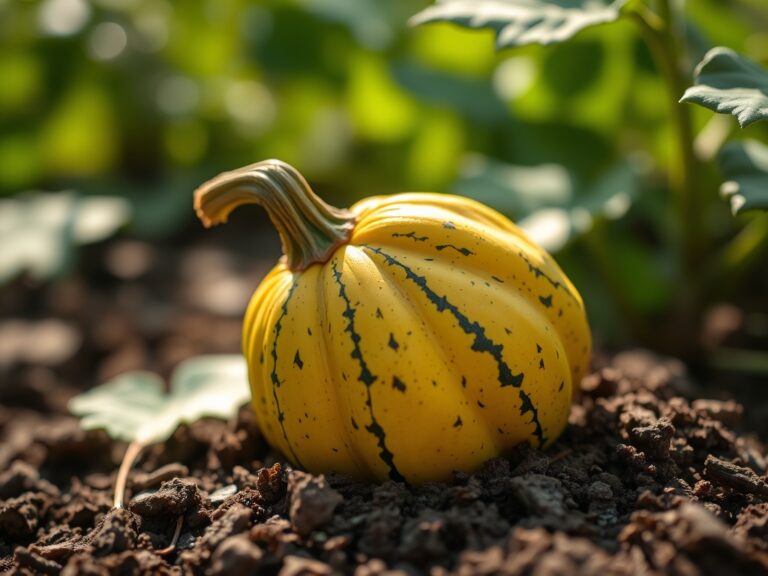
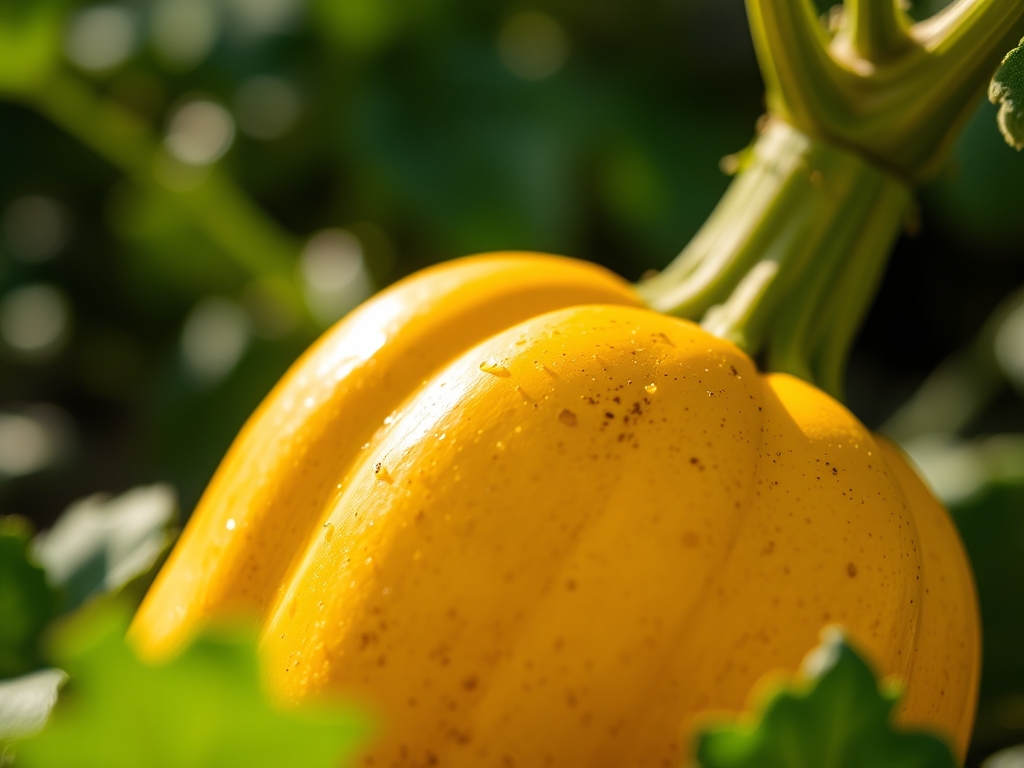
Harvest yellow squash when the fruit is between six and eight inches long. At this stage, the skin is tender and the seeds are underdeveloped. Use a sharp knife or pruners to cut the fruit from the vine; do not pull it, as this can damage the main stem and create an entry point for disease.
For "day-one" freshness, harvest in the early morning when the fruit is at its maximum hydration. The senescence process begins immediately upon removal from the vine. Store the squash in a cool environment at 45 to 50 degrees Fahrenheit with high humidity. Do not wash the fruit until you are ready to use it, as excess moisture on the skin can lead to rapid fungal decay in storage.
FAQ:
Why are my squash flowers falling off without producing fruit?
This usually occurs because the plant produces male flowers first to attract pollinators. If female flowers fall off, it indicates a lack of pollination. High temperatures above 90 degrees Fahrenheit can also cause the plant to abort developing fruit.
How do I stop squash vine borers?
Monitor the base of the stem for "frass," which looks like sawdust. Wrap the lower two inches of the stem in aluminum foil to prevent the insect from depositing eggs. This physical barrier protects the vascular integrity of the plant.
Can I grow yellow squash in containers?
Yes, provided the container holds at least five gallons of substrate. Ensure the pot has excellent drainage and use a potting mix with high organic matter. Container-grown squash requires more frequent irrigation and fertilization due to limited root volume.
How many squash will one plant produce?
A healthy yellow squash plant can produce 5 to 10 pounds of fruit over a growing season. Frequent harvesting encourages the plant to continue reproductive cycles. If fruit is left to overmature, the plant will cease production to focus on seed maturation.