6 Vital Steps to Plant Habanero Peppers
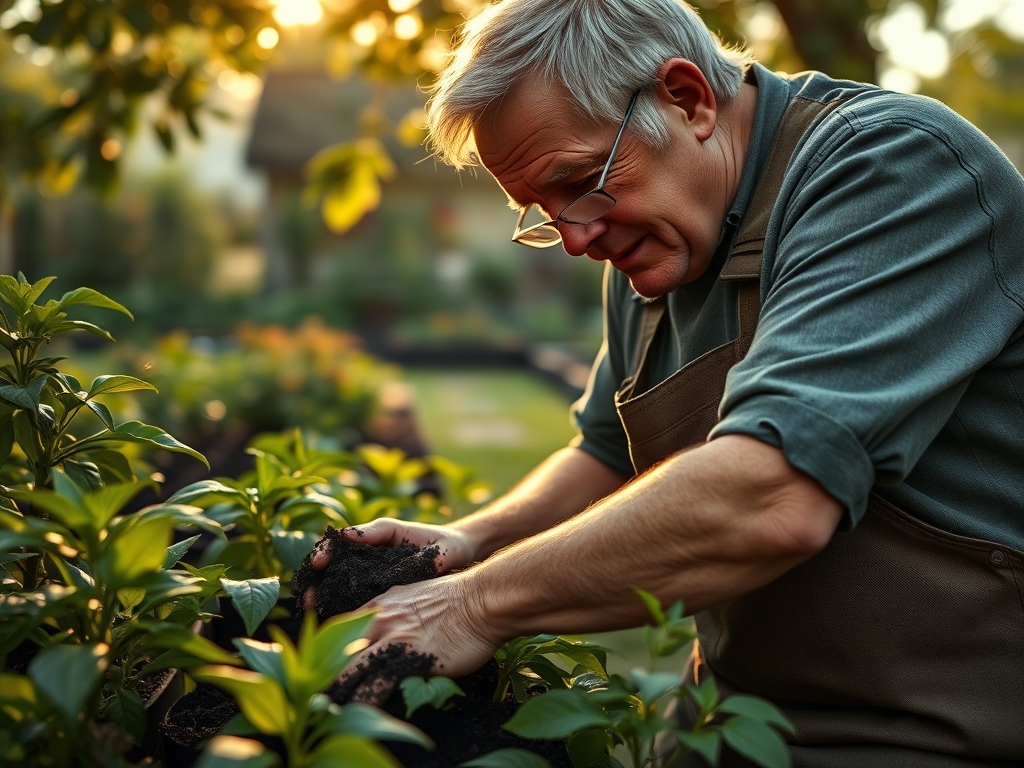
Crushing a handful of damp, friable loam reveals the earthy scent of geosmin; a signal that the microbial life within the rhizosphere is active and ready for cultivation. Successful capsicum production requires more than casual effort. You must master the technical steps to plant habanero peppers to ensure high capsaicinoid content and structural integrity. These plants demand high caloric intake and specific thermal windows to transition from fragile seedlings into woody, high-yielding shrubs.
Materials:
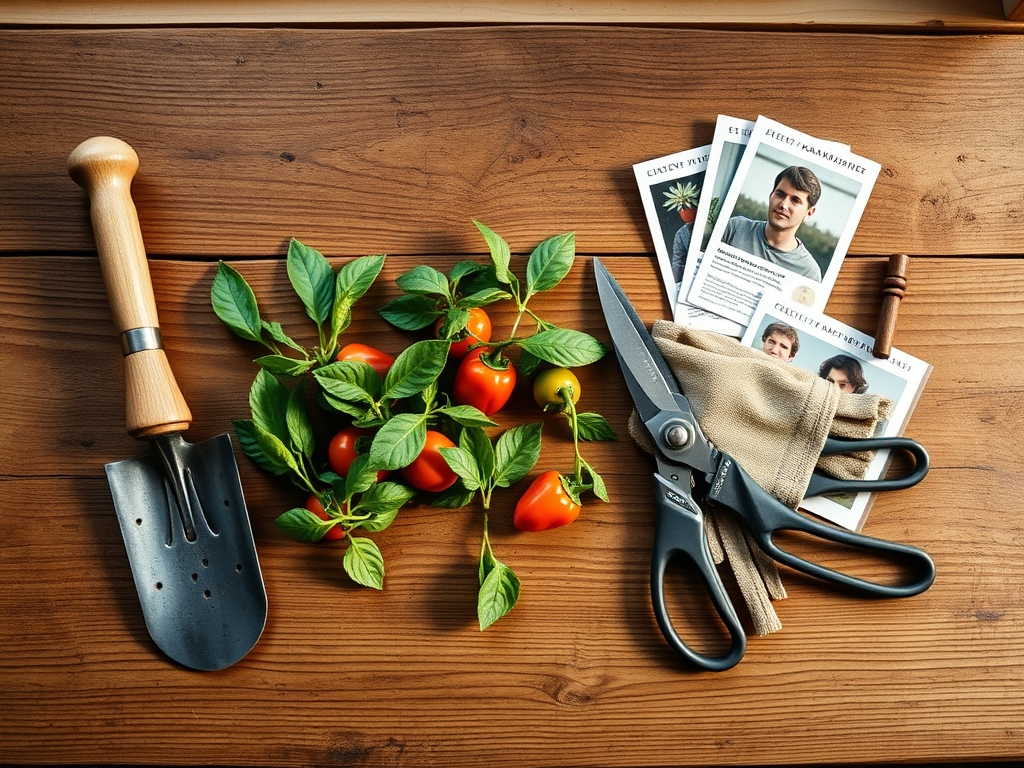
Habaneros (Capsicum chinense) thrive in a substrate with a **pH between 6.0 and 6.8**. If your soil acidity falls outside this range, nutrient lockout occurs; specifically, phosphorus and magnesium become chemically unavailable. The ideal physical medium is a **friable sandy loam** with a high Cation Exchange Capacity (CEC). This ensures the soil can hold and release essential positively charged ions like calcium and potassium.
For the initial vegetative stage, select a fertilizer with an NPK ratio of 10-10-10. Once the plant enters the reproductive phase, transition to a 5-10-15 formula. High nitrogen at the flowering stage leads to excessive leaf canopy at the expense of fruit set. You will also need calcium nitrate to prevent cellular collapse in developing fruit walls. Ensure your containers or garden beds provide at least 12 inches of vertical root space to accommodate the primary taproot and secondary lateral roots.
Timing:
Habaneros are tropical perennials treated as annuals in USDA Hardiness Zones 4 through 9. They have a long biological clock; often requiring 90 to 120 days from transplant to harvest. Do not move plants outdoors until the consistent nighttime ambient temperature remains above 60 degrees Fahrenheit (15 degrees Celsius).
The biological clock of the habanero is dictated by soil temperature. If the soil is below 65 degrees Fahrenheit, the roots enter a semi-dormant state, causing stunted growth that the plant may never fully recover from. In cooler climates, use black plastic mulch to increase the thermal mass of the soil. This artificial heat accelerates the transition from the vegetative stage (leaf and stem production) to the reproductive stage (anthesis and fruit development).
Phases:
Sowing and Germination
Start seeds indoors 8 to 10 weeks before the last predicted frost. Sow seeds 0.25 inches deep in a sterile seed-starting mix. Maintain a constant bottom heat of 80 to 85 degrees Fahrenheit using a specialized heat mat. Germination in Capsicum chinense is notoriously slow; it can take 14 to 21 days for the hypocotyl to emerge from the soil surface.
Pro-Tip: Maintain high humidity during germination to prevent "helmet head," where the seed coat fails to shed from the cotyledons. The biological why involves seed coat softening via imbibition; without sufficient moisture, the mechanical pressure of the expanding leaves cannot break the tough outer husk.
Transplanting and Hardening Off
Before permanent installation, subject seedlings to a 7-day hardening-off period. Start with one hour of filtered sunlight and gradually increase exposure. When transplanting, space individuals 18 to 24 inches apart. This spacing ensures adequate airflow, which reduces the boundary layer of humidity around the leaves and prevents fungal sporulation.
Pro-Tip: Dust the root ball with mycorrhizal fungi during transplanting. The biological why is mycorrhizal symbiosis; the fungi extend the reach of the root system by hundreds of times, significantly increasing the plant's ability to uptake phosphorus and water in high-stress conditions.
Establishing and Support
Once the plant reaches 12 inches in height, it may require mechanical support. Use a small tomato cage or a sturdy stake. Habaneros produce heavy fruit loads that can snap brittle branches during high-wind events or heavy rain.
Pro-Tip: Pinch off the first set of flower buds that appear. The biological why is auxin redirection; by removing early reproductive structures, the plant redirects its hormonal energy toward root development and structural branching, leading to a much larger total yield later in the season.
The Clinic:
Physiological disorders often mimic infectious diseases. You must distinguish between the two through careful observation of the foliage and fruit.
Symptom: Blossom End Rot. Sunken, leathery black spots on the bottom of the fruit.
Solution: This is a calcium deficiency, but it is usually caused by inconsistent moisture rather than a lack of calcium in the soil. Calcium is non-mobile and moves via the transpiration stream. Use a soil moisture meter to ensure the root zone never completely dries out.
Symptom: Leaf Roll. Upward curling of the leaves without discoloration.
Solution: This is a physiological response to excessive heat or wind. The plant reduces its surface area to minimize water loss through the stomata. Provide 30 percent shade cloth during peak afternoon sun.
Symptom: Nitrogen Chlorosis. General yellowing of the older, lower leaves while the rest of the plant remains green.
Solution: Nitrogen is a mobile nutrient; the plant is scavenging it from old growth to support new terminal buds. Apply a water-soluble 10-10-10 fertilizer immediately to restore nitrogen levels in the rhizosphere.
Maintenance:
Precision is required for maximum capsaicin production. Provide 1.5 inches of water per week at the drip line. Avoid overhead irrigation; wetting the foliage increases the risk of bacterial leaf spot. Use a hori-hori knife to remove weeds within a 12-inch radius of the stem to eliminate competition for nutrients.
Monitor the plant's turgor pressure. If leaves appear flaccid in the morning, the plant is under severe water stress. Use bypass pruners to remove any "suckers" or low-hanging foliage that touches the soil. This improves vertical airflow and prevents soil-borne pathogens from splashing onto the leaves during irrigation.
The Yield:
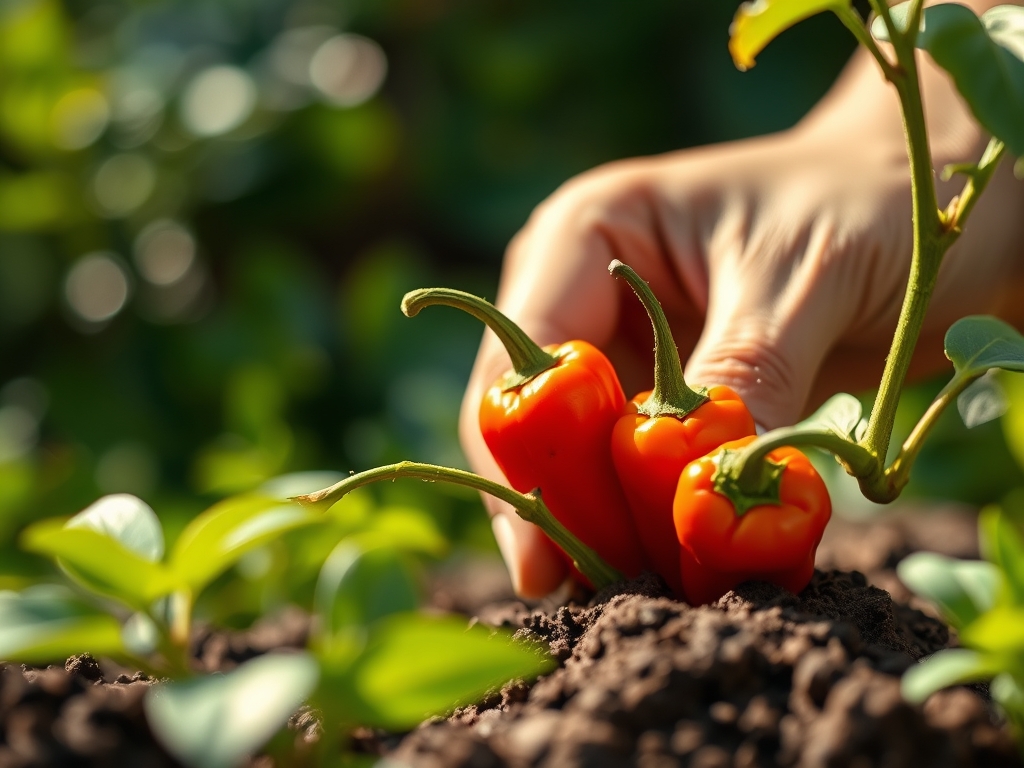
Harvesting habaneros requires timing based on color and skin texture. The fruit is technically edible when green, but the flavor profile and heat intensity peak when the fruit turns a deep orange or red. The skin should be firm and have a waxy luster.
Use shears to cut the pedicel (stem) about 0.5 inches above the fruit. Never pull the fruit by hand, as this can cause longitudinal cracks in the main stem, leading to vascular damage. For "day-one" freshness, store harvested peppers in a cool, dark environment at 45 to 50 degrees Fahrenheit with 90 percent humidity. This slows down the rate of senescence and prevents the fruit from shriveling.
FAQ:
Why are my habanero seeds not germinating?
Habanero seeds require consistent soil temperatures between 80 and 85 degrees Fahrenheit. Without a dedicated heat mat, germination rates drop significantly. Ensure the medium remains moist but not saturated to prevent the seeds from rotting before the radical emerges.
How often should I fertilize my habanero plants?
Apply a balanced water-soluble fertilizer every 14 days during the vegetative stage. Once flowers appear, switch to a low-nitrogen, high-potassium formula every 21 days to support fruit development and enhance the plant's cellular structure.
Why are the flowers falling off my pepper plant?
Blossom drop occurs when ambient temperatures exceed 90 degrees Fahrenheit or drop below 60 degrees Fahrenheit. Extreme heat interferes with pollen viability. Ensure consistent watering and provide temporary shade during heatwaves to maintain reproductive success.
Can I grow habaneros in containers?
Yes, use a container with at least 5 gallons of volume and multiple drainage holes. Potted peppers require more frequent irrigation and fertilization because the limited soil volume has a lower total Cation Exchange Capacity and dries out faster.