8 Steps to Install a Kitchen Herb Grow Light
Growing culinary herbs indoors under artificial lighting transforms cooking from pantry dependence into fresh-harvest autonomy. The steps for installing a kitchen herb grow light begin with understanding photoperiod requirements, electrical capacity, and the spatial geometry of your cultivation zone. Most Mediterranean herbs (basil, oregano, thyme) demand 14-16 hours of light at 200-400 micromoles per square meter per second to trigger robust secondary metabolite production. This guide eliminates guesswork through quantified protocols.
Materials
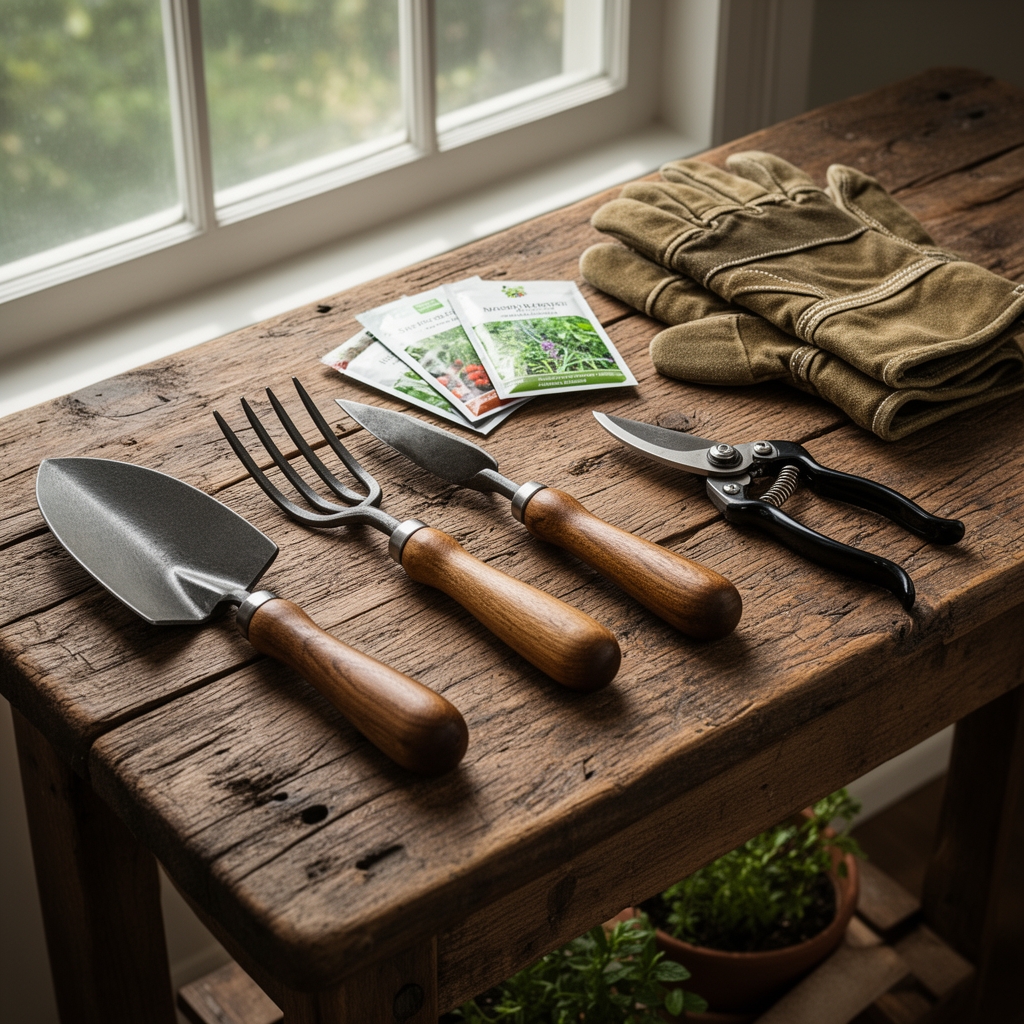
Select a full-spectrum LED fixture rated for 6500K color temperature and minimum 2000 lumens. Avoid incandescent or standard fluorescent bulbs; their spectral output lacks the 450nm blue wavelengths essential for compact vegetative growth. Choose fixtures with adjustable hanging chains or telescoping mounts to maintain 6-12 inches between diode array and canopy.
For substrate, blend 40% coconut coir, 30% perlite, and 30% aged compost. Adjust pH to 6.0-6.5 using dolomitic lime if testing below 5.8. Incorporate a balanced organic fertilizer at 4-4-4 NPK ratio (blood meal, bone meal, and greensand composite). This formulation supports auxin distribution without excess nitrogen that produces leggy, flavor-diluted growth.
Electrical requirements include a grounded outlet rated for 15 amps minimum and a mechanical timer with 15-minute interval programming. Install a GFCI outlet if operating near water sources. Purchase containers with drainage holes, 6-8 inches deep, and saucers to capture leachate.
Timing
Execute installation during late winter (January-February in Zones 5-7) to establish plants before outdoor garden season. In Zones 8-10, install year-round but avoid midsummer when ambient kitchen temperatures exceed 85°F, stressing cool-season herbs like cilantro and parsley.
Check your last spring frost date. Begin seeds under lights 6-8 weeks prior for transplant-ready seedlings when outdoor conditions permit. For perennial herbs (rosemary, sage), installation timing is flexible since they remain indoors permanently in Zones 6 and colder.
Phases
Step 1: Sowing Phase
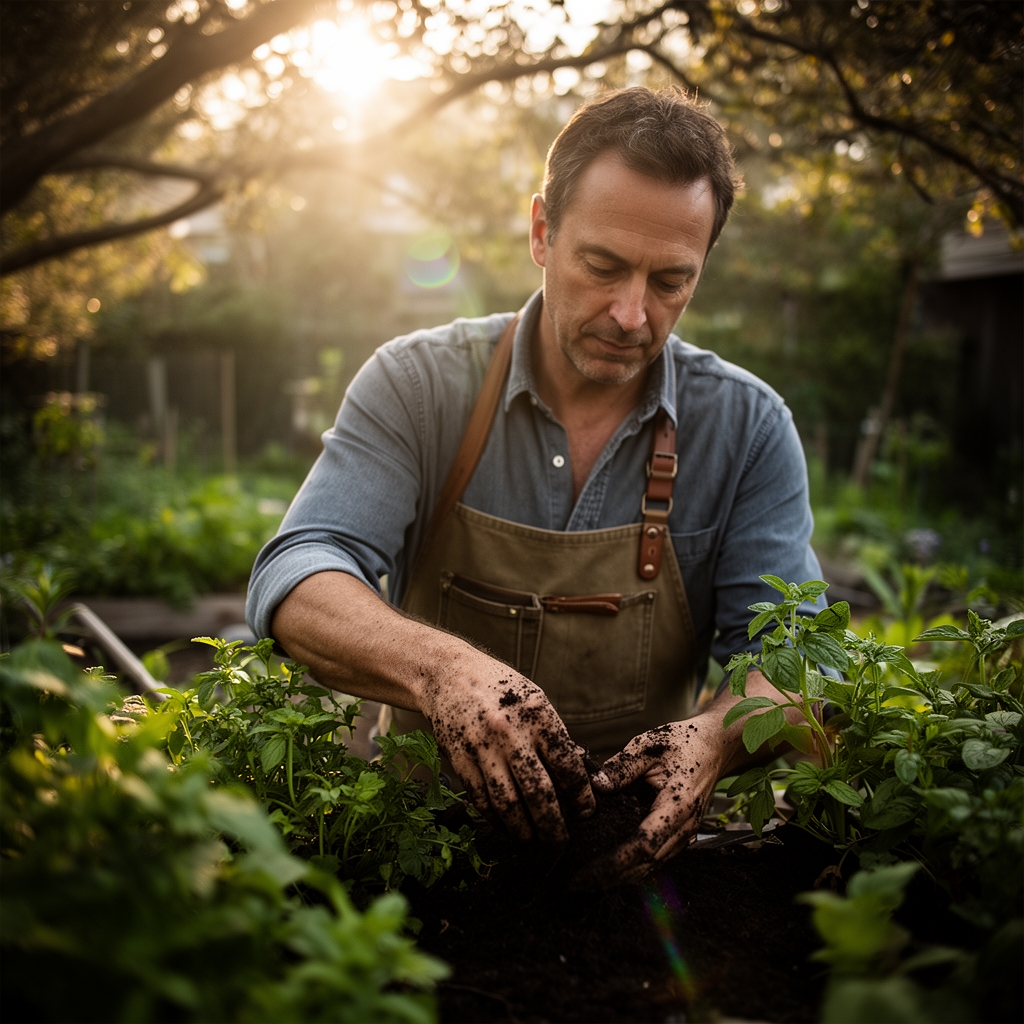
Fill containers with pre-moistened substrate. Sow basil, parsley, and cilantro seeds 1/4 inch deep, two seeds per cell. Cover with humidity dome or plastic wrap until germination (5-10 days at 70-75°F). Position lights 4 inches above soil surface, running 16 hours daily. Remove covering immediately upon cotyledon emergence to prevent damping-off caused by Pythium species.
Pro-Tip: Inoculate substrate with Trichoderma harzianum at 1 gram per gallon of mix before sowing. This beneficial fungus colonizes root zones, outcompeting pathogenic organisms and increasing phosphorus uptake by 23%.
Step 2: Transplanting Phase
Thin seedlings to one per container when true leaves appear (14-21 days post-germination). For purchased transplants, inspect root balls for circling patterns indicating root-bound stress. Tease outer roots gently before planting to encourage radial growth rather than continued girdling.
Raise light fixture to 8 inches above canopy. Reduce photoperiod to 14 hours to mimic natural spring conditions, promoting stronger stem caliper through increased red:far-red light ratio perception by phytochrome B receptors.
Pro-Tip: Apply kelp extract foliar spray (1 tablespoon per quart water) immediately after transplant shock. Cytokinins in kelp stimulate lateral bud break, creating bushier architecture.
Step 3: Establishing Phase
Once plants reach 6 inches height, begin apical pruning. Remove top 1-2 inches of growth at 45-degree angle just above a node pair. This redirects auxins laterally, doubling harvestable biomass within three weeks.
Maintain 12-inch light distance as plants mature. Monitor leaf color: dark green indicates sufficient nitrogen, while pale yellow-green signals need for supplemental feeding at half-strength liquid fish emulsion (5-1-1 NPK).
Pro-Tip: Rotate containers 90 degrees every three days. Phototropic bending toward the light source reduces even growth and creates harvesting blind spots.
Troubleshooting
Symptom: Leggy stems with elongated internodes
Solution: Lower light fixture to 6 inches and increase daily photoperiod to 16 hours. Add supplemental blue spectrum (440-460nm) LED strips.
Symptom: Leaf margin necrosis with brown crispy edges
Solution: This indicates excess salts from over-fertilization. Flush substrate with three times the container volume of pH-adjusted water. Resume feeding at quarter-strength.
Symptom: White powdery coating on leaf surfaces
Solution: Powdery mildew thrives in stagnant air. Install a 6-inch clip fan for continuous air circulation. Remove affected leaves and spray remaining foliage with 1 teaspoon baking soda per quart water weekly.
Symptom: Stunted growth with purple-tinged older leaves
Solution: Phosphorus deficiency, common in substrates above pH 7.0. Apply bone meal top-dressing (2 tablespoons per 6-inch pot) and water with dilute phosphoric acid to reduce pH.
Symptom: Spider mite stippling (tiny yellow dots)
Solution: Spray undersides of leaves with insecticidal soap every five days for three treatments. Increase humidity above 50% to deter reproduction.
Maintenance
Water when substrate surface feels dry 1/2 inch down, typically every 2-3 days. Apply 1/4 cup per 6-inch container until 10% leachate drains from bottom. Empty saucers within 30 minutes to prevent anaerobic conditions.
Feed every 14 days with liquid fertilizer at 3-1-2 NPK ratio during active growth. Reduce to monthly feeding during winter dormancy of woody perennials.
Harvest no more than one-third of total foliage per cutting session. Remove flower buds immediately upon formation to maintain vegetative growth and prevent bitter flavor compounds.
Replace grow light diodes every 30,000 hours (approximately 5 years at 16 hours daily). Lumen output degrades 30% before visible dimming occurs, reducing photosynthetic efficiency.
FAQ
How far should the grow light be from herbs?
Maintain 8-12 inches for mature plants, 4-6 inches for seedlings. Measure with hand test: if uncomfortably warm on skin after 30 seconds, raise fixture 2 inches.
Can I use a regular LED bulb?
Standard household LEDs lack sufficient blue spectrum and PPFD (photosynthetic photon flux density) for adequate growth. Invest in horticultural-rated fixtures with minimum 2.0 micromoles per joule efficacy.
What herbs grow best under lights?
Basil, parsley, chives, thyme, and oregano thrive indoors. Avoid rosemary unless providing 50°F winter temperatures and cilantro unless maintaining 65°F maximum to prevent premature bolting.
How long do grow lights need to run daily?
Provide 14-16 hours for leafy herbs, reducing to 12 hours for woody perennials during winter to simulate natural dormancy cues.
Do I need red and blue lights or just white?
Full-spectrum white LEDs (5000-6500K) contain sufficient red and blue wavelengths. Separate spectrum bulbs offer no significant advantage for culinary herb production and complicate installation.