6 Point Checklist: Preparing Your Garden for Organic Certification
The first handful of soil you pull from an established bed should crumble between your fingers like week-old coffee grounds, releasing that earthy petrichor scent that signals active microbial life. If you're wondering how to prepare a garden for organic certification, that crumbly texture is your starting point. Organic certification isn't just about swapping synthetic fertilizers for compost; it requires a documented three-year transition period, soil testing protocols, and meticulous record-keeping that proves every input meets USDA National Organic Program standards. The process demands patience, but the payoff is access to premium markets and the satisfaction of building soil health that compounds year after year.
Materials and Supplies
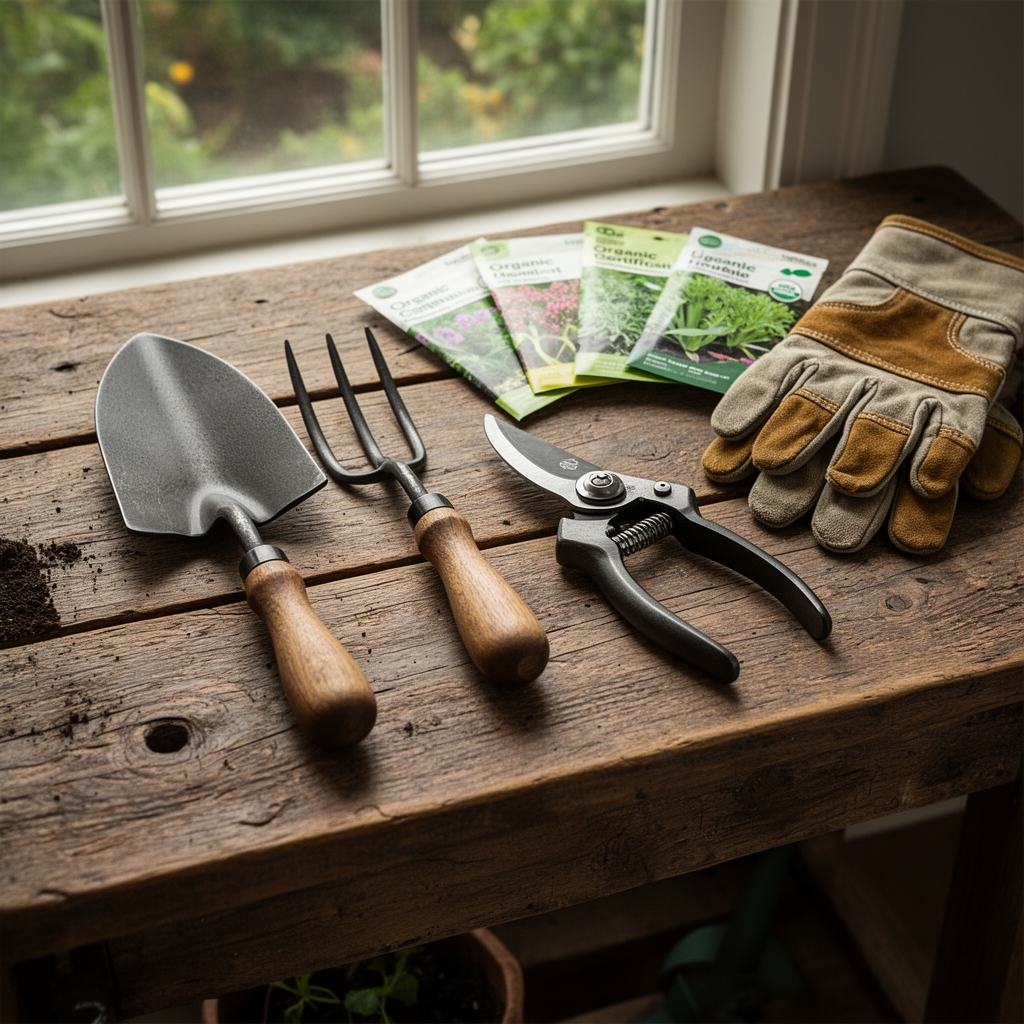
Soil Amendments (OMRI-Listed Only)
- Composted manure: Aged minimum 120 days for raw manure application, NPK roughly 0.5-0.5-0.5
- Rock phosphate: Slow-release phosphorus source, typical analysis 0-3-0
- Kelp meal: Trace minerals and growth hormones, NPK around 1-0.5-2
- Sulfur or lime: Adjust pH to 6.0-7.0 range for most vegetables
Documentation Tools
- Three-ring binder for field maps and input receipts
- Soil test kit or lab service for baseline NPK and heavy metal screening
- Digital scale for measuring amendments per square foot
Cover Crop Seeds
- Crimson clover: Nitrogen fixation rates of 70-150 lbs per acre
- Winter rye: Biomass builder, suppresses weeds through allelopathy
Barrier Materials
- Untreated lumber or stone for bed borders (treated wood leaches prohibited substances)
- Landscape fabric (avoid synthetic weed barriers with petroleum coatings)
Timing and Growing Schedule
The three-year transition clock starts the moment you cease all prohibited substance use. Mark your calendar precisely. If you apply a conventional fertilizer on May 15, 2025, your earliest organic certification eligibility begins May 15, 2028.
Year One (Transition Period Begins)
- Spring (Zones 5-7, April-May): Conduct baseline soil tests through an accredited lab. Request heavy metal screening alongside standard fertility panels.
- Summer: Plant cover crops and document every seed variety, planting date, and incorporation date.
- Fall: Apply first round of approved amendments based on soil test results.
Year Two (Documentation Intensifies)
- Maintain detailed maps showing crop rotation patterns. Certifiers require proof you're not planting the same botanical families in consecutive years.
- Install compost thermometer to verify your pile reaches 131-170°F for pathogen kill requirements.
Year Three (Pre-Certification Inspection)
- Schedule inspection 3-6 months before your transition period ends. Inspectors audit records, physically examine buffer zones, and verify no drift from neighboring conventional operations.
Step-by-Step Instructions
Phase 1: Establish Clean Baseline (Months 1-3)
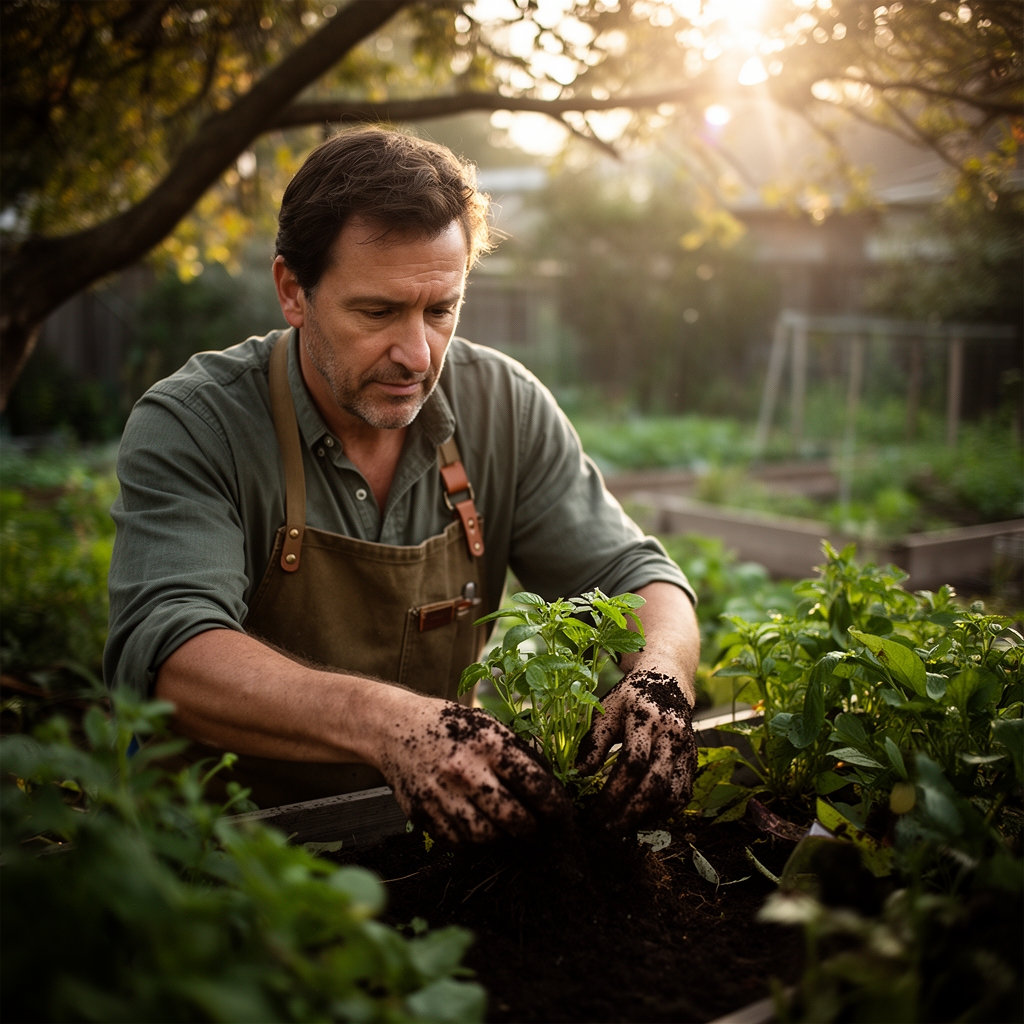
Stop all synthetic inputs immediately. Remove old fertilizer bags, pesticide containers, and treated lumber from the growing area. Install physical buffers (hedgerows, fencing) if neighboring properties use conventional methods. The NOP requires sufficient distance or barriers to prevent contamination.
Pro-Tip: Photograph your entire garden from multiple angles with dated timestamps. These images become crucial evidence during inspection disputes about pre-existing conditions.
Phase 2: Build Soil Biology (Months 4-12)
Inoculate beds with mycorrhizal fungi by mixing spores (typically 1-2 oz per 100 sq ft) into root zones during transplanting. These fungal networks extend nutrient uptake capacity by 10-100 times beyond root hairs alone.
Apply compost at 1-2 inch depth, working it into the top 6 inches. Target a carbon-to-nitrogen ratio of 25:1 to 30:1 for optimal decomposition rates.
Pro-Tip: Avoid tilling deeper than 4 inches during transition. Excessive disturbance kills beneficial bacteria and collapses the soil structure you're rebuilding.
Phase 3: Document Everything (Ongoing)
Create field maps showing bed dimensions, crop varieties (include seed lot numbers), planting dates, and harvest dates. Record every input with product name, OMRI certification number, application rate, and date. Certifiers audit randomly, and missing receipts from 18 months ago can delay certification.
Pro-Tip: Use waterproof notebooks in the field. Standard paper disintegrates after one rain, taking your compliance documentation with it.
Phase 4: Install Monitoring Systems (Month 18-24)
Set up weekly soil moisture monitoring at 6-inch depth. Consistent moisture (not saturation) accelerates humus formation and supports beneficial nematode populations.
Establish insect scouting protocols. Walk beds every 72 hours, recording pest species and population estimates. Organic certification allows certain botanical pesticides, but only after documented proof that cultural controls failed.
Pro-Tip: Keep a "pest threshold journal" noting exactly when populations reached action thresholds. This documentation justifies any approved intervention sprays to your certifier.
Nutritional and Environmental Benefits
Transitioning to organic methods rebuilds soil organic matter from typical degraded levels of 1-2% up to 5-8% over five years. Each percentage point increase holds an additional 20,000 gallons of water per acre, buffering drought stress.
Gardens managed under organic protocols support 30% more pollinator species than conventional plots. Native Mason bees (Osmia lignaria) establish nesting sites in beetle holes within untreated wood borders, providing early spring pollination when honeybees remain dormant.
Certified organic produce contains measurably higher levels of polyphenolic compounds (15-30% increases documented in comparative studies), likely due to plants producing more defensive secondary metabolites without synthetic pesticide crutches.
The nitrogen fixation from leguminous cover crops injects 100-150 lbs of atmospheric nitrogen per acre annually, eliminating purchased fertilizer costs while avoiding the fossil fuel inputs of Haber-Bosch synthesis.
Advanced Methods
Small Space Optimization
Vertical trellising of pole beans and cucumbers on OMRI-approved jute or sisal twine increases yield per square foot by 200-400%. Succession plant quick-maturing crops (radishes, baby lettuce) between slower brassicas to maximize certified organic production within limited footprints.
Permaculture Integration
Establish guild plantings pairing heavy feeders (tomatoes, squash) with nitrogen-fixing companions (bush beans) and dynamic accumulators (comfrey). Comfrey's 10-foot taproot mines subsoil potassium, making it available when leaves are chopped and dropped as mulch.
Season Extension Without Prohibited Materials
Construct low tunnels using untreated metal hoops and greenhouse-grade polyethylene (minimum 6 mil thickness). Avoid PVC hoops; many contain phthalate plasticizers that qualify as prohibited synthetic substances. Floating row covers (spunbonded polyester) extend harvest 4-6 weeks without thermal mass walls.
Troubleshooting
Symptom: Certification Application Rejected for Incomplete Records
Solution: Implement a Sunday evening record review ritual. Transcribe field notes into permanent binders weekly while details remain fresh. Missing even 5% of documentation typically triggers automatic rejection.
Symptom: Neighboring Farm Drift Detected During Inspection
Solution: Install 30-foot planted buffer zones using dense shrubs (elderberry, hazelnut). Document prevailing wind patterns with flags or streamers photographed monthly. Demonstrate proactive contamination prevention efforts.
Symptom: Compost Fails Temperature Requirements
Solution: Rebuild pile to minimum 3x3x3 foot dimensions (smaller piles lack insulation for thermophilic activation). Maintain 50-60% moisture (squeeze test should yield 1-2 drops). Turn every 5 days during active phase to reintroduce oxygen.
Symptom: Transition Period Reset Due to Prohibited Product Use
Solution: If accidental contamination occurs (neighbor sprays herbicide over fence line), immediately document incident with photos, weather data (wind direction), and written neighbor statements. Contact certifier within 24 hours. May avoid full reset if you prove contamination was beyond your control and affected area is quarantined.
Symptom: Soil Test Shows Deficiency After Two Years of Organic Management
Solution: This is normal during transition as microbial populations rebalance. Apply targeted OMRI amendments: rock phosphate for P deficiency (0-3-0), greensand for potassium (0-0-3), blood meal for nitrogen (12-0-0). Retest every 6 months during transition rather than annually.
Storage and Maintenance
Watering Protocols
Deliver 1 inch per week through drip irrigation or soaker hoses placed directly on soil surface. Overhead watering promotes foliar diseases and wastes 40% to evaporation. Install rain gauges to track natural precipitation and adjust supplemental watering accordingly.
Feeding Schedules
Side-dress heavy feeders (tomatoes, peppers, brassicas) with 1/4 cup worm castings per plant every 3 weeks after transplanting. The slow nutrient release matches plant uptake curves better than single large applications.
Apply compost tea (brewed 24-36 hours with active aeration) as foliar spray every 14 days. This inoculates leaf surfaces with beneficial bacteria that outcompete pathogens.
Post-Harvest Storage
Cure root vegetables (carrots, beets, potatoes) at 50-60°F and 90% humidity for 10-14 days before cold storage. This healing period allows minor wounds to suberize, preventing rot during long-term holding.
Store certified organic produce separately from conventional items to maintain integrity. Cross-contamination during storage violates certification standards just as surely as field application of prohibited substances.
Winter Maintenance
Mulch perennial beds with 4-6 inches of straw (not hay, which contains weed seeds). This insulation moderates soil temperature fluctuations that disrupt mycorrhizal networks.
Clean and oil tools with food-grade mineral oil. Standard petroleum lubricants contain prohibited additives that transfer to soil during next season's use.
Conclusion
The success blueprint for organic certification rests on three pillars: meticulous documentation proving your three-year transition, soil management that prioritizes biological activity over chemical inputs, and physical systems preventing contamination from external sources. These requirements transform gardening from casual hobby into disciplined agricultural practice, but the resulting soil structure and ecosystem resilience pay dividends that compound across decades. Join your local organic growers association to connect with certified farmers who've navigated the inspection process and can review your documentation before official submission.
Expert FAQs
How long does the organic certification process actually take from start to finish?
The mandatory transition period spans exactly three years from your last prohibited substance application, plus 3-6 months for application processing and inspection scheduling. Budget 42-45 months total from cleanup to receiving your certificate. Expedited processing does not exist in organic certification.
Can I sell produce as "organic" during the three-year transition period?
No. You must label transitional produce as "transitional" or use no organic claims whatsoever. Some markets offer premium pricing for transitional products (typically 10-15% above conventional), recognizing your commitment to future organic status while acknowledging you cannot yet use the USDA Organic seal.
What happens if I accidentally use a non-approved product during transition?
Your three-year clock completely resets from the date of prohibited application on affected land. This is why input verification matters critically. Always confirm OMRI listing or check the National List of Allowed and Prohibited Substances before applying any new product. A single mistake costs years of effort.
Do I need organic certification if I only sell at farmers markets?
Operations grossing under $5,000 annually qualify for exemption from certification requirements but must still follow all organic production standards. You can label products "produced using organic methods" but cannot use the USDA Organic seal. Most serious market customers expect certification regardless of exemption eligibility.
How much does organic certification cost for a home garden operation?
Certification fees range from $400-2,000 annually depending on your certifying agent and operation size. First-year costs run higher due to initial inspection complexity. Many states offer cost-share programs reimbursing 75% of certification expenses up to $750 annually. Budget $600-800 for year one after cost-share, then $300-500 for annual renewal.