7 Best Heavy-Duty Plant Saucers for Managing Excess Water
The smell of damp earth after a deep saturation indicates the beginning of crucial gas exchange within the rhizosphere. When water displaces oxygen in the pore spaces of the soil, the plant relies on hydraulic lift and turgor pressure to maintain structural integrity. Without proper drainage management, this life-sustaining moisture becomes a vector for anaerobic pathogens and root senescence. Selecting the best plant saucers is not merely an aesthetic choice; it is a technical requirement for maintaining the delicate balance between hydration and aeration. A heavy-duty saucer must support the significant weight of saturated media, which can exceed 40 pounds per cubic foot, while preventing the leaching of essential minerals onto sensitive surfaces. Professional growers understand that the standing water in a saucer provides a localized humidity microclimate, but it must be managed to prevent the reabsorption of concentrated salts. This guide focuses on the engineering and utility of high-capacity containment systems designed for serious horticultural applications.
Materials:
The performance of a saucer is tethered to the substrate it supports. A **friable loam** with a high Cation Exchange Capacity (CEC) requires a saucer that can handle the runoff of a nutrient-dense irrigation program. For most containerized species, a soil pH between **5.8 and 6.5** is optimal for nutrient bioavailability. When using a standard NPK ratio of **10-10-10** for general maintenance, or a high-nitrogen **20-10-10** for vegetative growth, the resulting leachate often contains residual nitrates and phosphates.
Heavy-duty saucers made of high-density polyethylene (HDPE) or thick-walled glazed ceramic are preferred. These materials resist the corrosive nature of concentrated fertilizers. Porous materials like unglazed terracotta allow for lateral evaporation but can lead to salt "efflorescence," where white mineral crusts form on the exterior. For high-performance drainage, the saucer must be at least 2 inches wider than the base of the pot to allow for adequate airflow and easy monitoring of the water table.
Timing:
Successful container gardening requires synchronizing irrigation with the plant's biological clock. In Hardiness Zones 5 through 8, the transition from the vegetative stage to the reproductive stage typically occurs as the photoperiod shifts in late summer. During the vegetative phase, transpiration rates are at their peak. A plant in a 10-inch pot may require daily watering when temperatures exceed 85 degrees Fahrenheit.
The "Biological Clock" dictates that as a plant enters senescence or winter dormancy, its metabolic rate drops. In Zones 9 and 10, where frost dates may be non-existent, the reduction in light intensity still triggers a slowed growth rate. During these periods, the saucer must remain dry. Stagnant water during dormancy increases the risk of Pythium and other water-borne oomycetes. Monitoring the frost-date window is essential; if water freezes in a low-quality saucer, the expansion can cause structural failure and root zone icing.
Phases:
Sowing
When starting seeds in high-quality containers, the saucer serves as a bottom-watering reservoir. This method ensures the delicate surface tension of the seedbed is not disturbed. Fill the saucer with 1 inch of distilled water and allow the substrate to wick moisture upward via capillary action.
Pro-Tip: Bottom-watering encourages downward root geotropism. As roots grow toward the moisture source at the base, they establish a more robust architecture than plants receiving only surface-level misting.
Transplanting
Moving a specimen into a larger vessel requires a heavy-duty saucer capable of supporting increased weight. Ensure the new container has multiple drainage holes. The saucer should be deep enough to hold 15% of the total pot volume in overflow.
Pro-Tip: During transplanting, the use of mycorrhizal inoculants in the bottom third of the pot is vital. This symbiotic relationship enhances the plant's ability to uptake phosphorus and water, effectively extending the reach of the root system.
Establishing
Once the plant is established, the saucer's primary role is managing the "flush." Periodically, you must apply water until it runs freely from the bottom to remove excess sodium and fertilizer salts.
Pro-Tip: Maintaining a dry saucer between waterings prevents auxin suppression. High water tables at the base of the pot can signal the plant to reduce the production of growth hormones, leading to stunted development and leaf abscission.
The Clinic:
Physiological disorders often manifest when drainage is poorly managed.
- Symptom: Interveinal chlorosis on new growth. Solution: This often indicates an iron deficiency caused by a pH spike. Check the runoff water in the saucer; if the pH is above 7.0, flush with acidified water.
- Symptom: Edema (small bumps or blisters on leaf undersides). Solution: This occurs when the plant takes up water faster than it can transpire. Empty the saucer immediately after watering to reduce hydrostatic pressure.
- Symptom: Nitrogen chlorosis (yellowing of older, lower leaves). Solution: Nitrogen is mobile. If you are flushing your pots frequently into the saucer, you may be leaching N too quickly. Apply a 5-1-1 fish emulsion to restore levels.
- Symptom: Leaf tip burn. Solution: This is a classic sign of salt accumulation. Perform a heavy flush with 3 times the volume of the pot in water and discard the effluent from the saucer.
Maintenance:
Precision maintenance requires the right instrumentation. Use a soil moisture meter to verify that the root ball is dry at a depth of 4 inches before adding more water. Most woody perennials require approximately 1.5 inches of water per week delivered at the drip line.
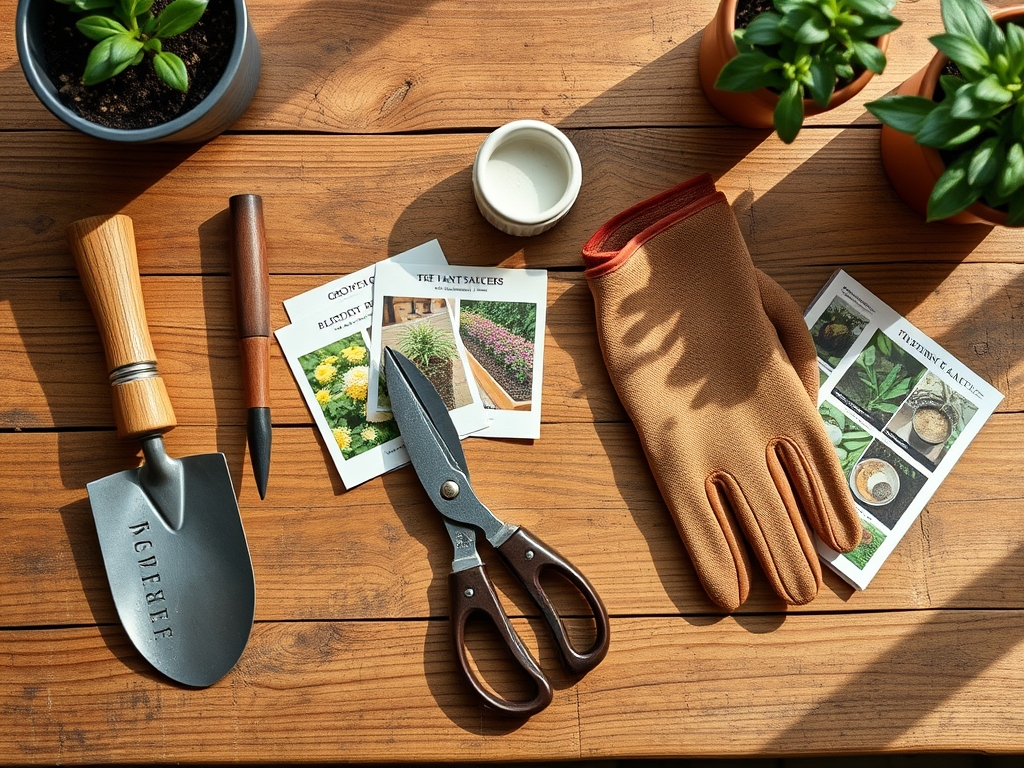
Keep your saucers clean. Use a hori-hori knife to scrape away any algae or mineral buildup that accumulates on the rim. If you notice roots emerging from the drainage holes and sitting in the saucer, use bypass pruners to trim them back. This prevents "water roots" from forming, which are structurally different and more prone to rot than soil-bound roots. Every six months, sanitize your heavy-duty saucers with a 10% bleach solution to eliminate dormant pathogen spores.
The Yield:
For those growing fruiting or flowering plants, the final phase is the harvest. For peppers or tomatoes, harvest when the fruit reaches 90% color saturation. Use sharp shears to cut the pedicel, leaving a small stub to prevent moisture loss from the fruit. Post-harvest, the plant's water needs will drop significantly. Reduce the irrigation frequency and ensure the saucer does not hold any standing water, as the plant no longer needs to support the high turgor pressure required for fruit expansion. For cut flowers, harvest in the early morning when turgor is highest, and immediately place the stems in 110-degree Fahrenheit water to maximize vase life.
FAQ:
How do I prevent mosquitoes in my plant saucers?
Empty standing water within 24 hours of irrigation. For large outdoor saucers that cannot be easily moved, use a BTI (Bacillus thuringiensis israelensis) puck to biologically disrupt the larval life cycle without harming the plant or beneficial insects.
Can I leave water in the saucer for humidity?
Only if the pot is elevated on 1-inch gravel or "pot feet." The base of the container must never make direct contact with standing water, as this prevents oxygen from entering the drainage holes and leads to root rot.
What is the best material for heavy pots?
High-density polyethylene (HDPE) is superior for heavy-duty applications. It does not crack under the pressure of heavy soil and is UV-stabilized. For indoor use, heavy-gauge glazed ceramic provides the necessary weight capacity and prevents moisture seepage onto flooring.
How much larger should the saucer be than the pot?
The saucer diameter should be 2 to 4 inches larger than the base of the container. This provides a sufficient buffer for overflow and allows for visual inspection of the drainage holes without needing to lift the heavy pot.
Why is my saucer turning white?
This is efflorescence, a buildup of calcium and fertilizer salts leached from the soil. It indicates that the substrate is being properly flushed. Clean the saucer with a vinegar solution to dissolve the minerals and prevent salt reabsorption.