9 Pro Tips How to Grow English Cucumbers
The smell of damp, oxygenated earth signals the start of a high-performance growing season. When you grasp a healthy English cucumber leaf, the turgor pressure should feel firm; a sign of optimal hydraulic resistance within the xylem. Mastering how to grow english cucumbers requires more than casual observation. It demands a rigorous understanding of thermal thresholds and nutrient availability. These seedless, thin-skinned cultivars thrive when the rhizosphere maintains a consistent balance of moisture and porosity. Success is measured by the crisp snap of a fruit that has never experienced a day of water stress.
Materials:
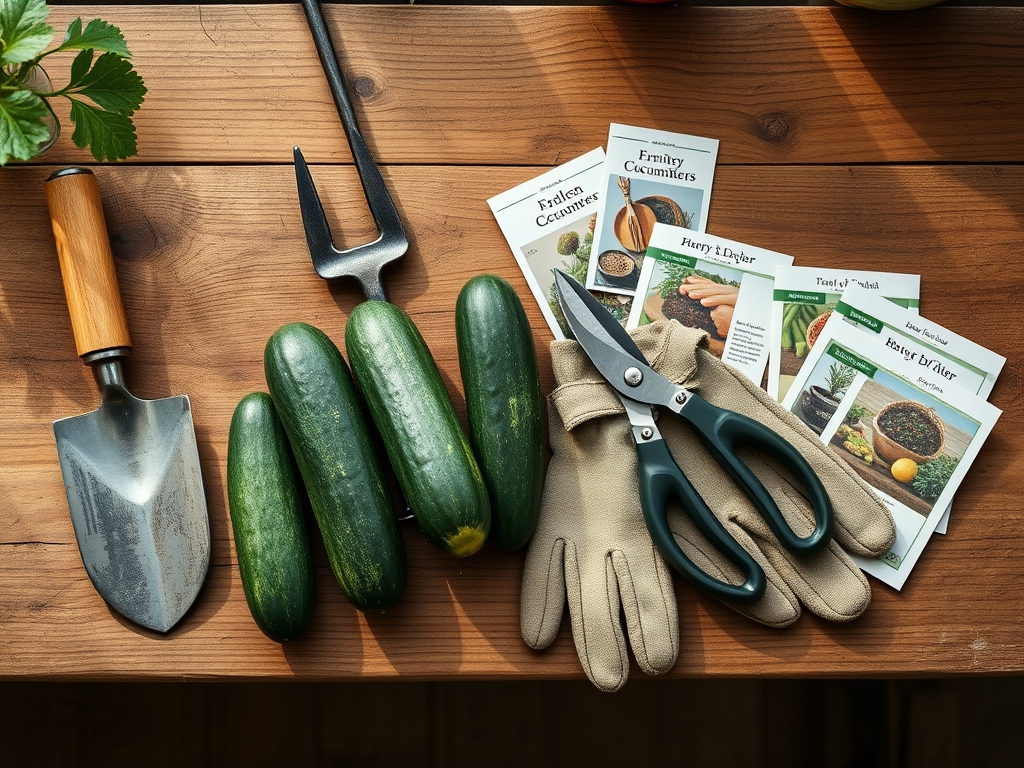
English cucumbers are heavy feeders that require a **friable loam** with a high Cation Exchange Capacity (CEC). This allows the soil to hold and release essential nutrients like potassium and calcium. Aim for a **soil pH between 6.0 and 6.8**. Before planting, integrate organic matter to ensure the substrate remains loose and well-aerated.
For the initial vegetative stage, utilize a fertilizer with an NPK ratio of 10-10-10 to establish strong structural foundations. Once the plant enters the reproductive phase, transition to a 5-10-10 or 4-8-12 ratio. The increased phosphorus and potassium levels support flower initiation and fruit development without overstimulating excessive foliage growth. Ensure you have a soil moisture meter and a calibrated pH probe to monitor the root zone environment daily.
Timing:
These plants are highly sensitive to cold and require a stable environment. They are best suited for Hardiness Zones 4 through 11, though the timing varies significantly by region. Do not transplant until the soil temperature consistently reaches 65 degrees Fahrenheit and the ambient air temperature remains above 60 degrees Fahrenheit at night.
The biological clock of an English cucumber is rapid. It typically moves from the vegetative stage to the reproductive stage within 45 to 55 days. This transition is triggered by the accumulation of Growing Degree Days (GDD) and the plant reaching a specific node count. If the plant experiences a temperature drop below 50 degrees Fahrenheit during this window, it may suffer from stunted growth or permanent physiological damage.
Phases:

Sowing
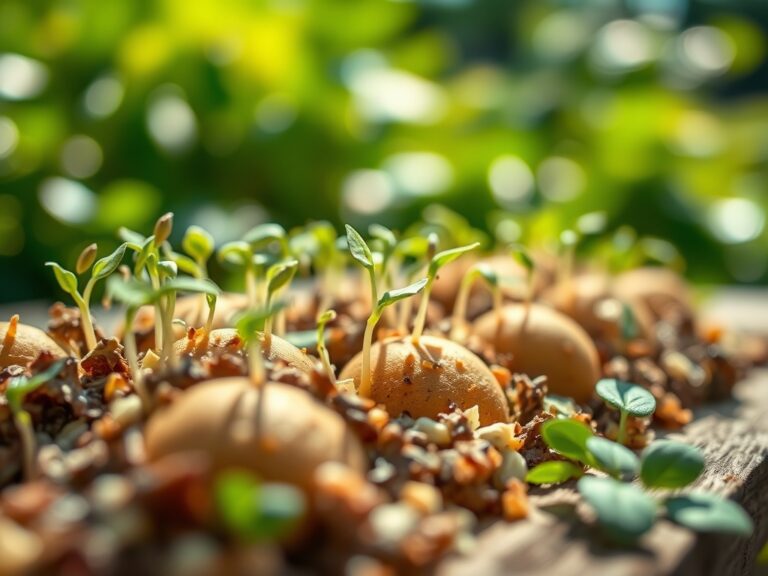
Start seeds indoors 3 to 4 weeks before the last frost. Use biodegradable peat or coco-coir pots to minimize root disturbance during the move. Plant seeds 1 inch deep in a sterile seed-starting mix. Maintain a constant substrate temperature of 70 to 85 degrees Fahrenheit using a heating mat to ensure rapid germination.
Pro-Tip: Maintain high humidity during germination to prevent the seed coat from sticking to the cotyledons. This ensures the first leaves can expand fully and begin photosynthesis immediately. A delay in cotyledon expansion can reduce the plant's lifetime vigor due to limited initial carbohydrate production.
Transplanting
Move seedlings to their permanent location once they have developed two sets of true leaves. Space the plants 12 to 18 inches apart if using a vertical trellis system. If growing on the ground, increase spacing to 3 feet to allow for adequate airflow and to prevent fungal pathogens.
Pro-Tip: Inoculate the planting hole with mycorrhizal fungi. This symbiotic relationship expands the surface area of the root system; allowing the plant to access phosphorus and micronutrients that would otherwise be chemically bound in the soil matrix.
Establishing
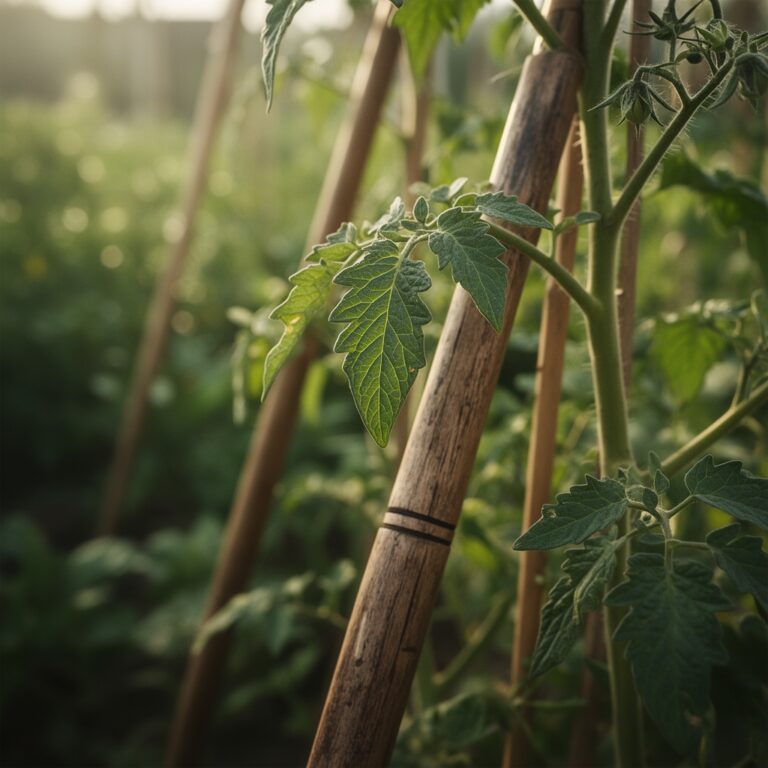
Once the vines reach 12 inches in height, begin training them onto a support structure. Use soft garden twine to secure the main stem. English cucumbers are often gynoecious (producing mostly female flowers) or parthenocarpic (fruiting without pollination), making them ideal for greenhouse environments where insect activity is low.
Pro-Tip: Remove the first four to six lateral runners and any flower buds that appear below the 18-inch mark on the main stem. This practice redirects the plant's auxins to the terminal bud; prioritizing vertical height and structural strength before the energy-intensive process of fruit production begins.
The Clinic:
Physiological disorders often mimic infectious diseases. Accurate diagnosis is essential for corrective action.
- Symptom: Interveinal Chlorosis (Yellowing between leaf veins).
- Diagnosis: Magnesium deficiency or high pH blocking nutrient uptake.
- Solution: Apply a foliar spray of magnesium sulfate (Epsom salt) at a rate of 1 tablespoon per gallon of water. Check soil pH and adjust to 6.5.
- Symptom: Bitterness in fruit.
- Diagnosis: Terpenoid compounds (cucurbitacins) triggered by heat stress or uneven watering.
- Solution: Maintain consistent soil moisture and use 30 percent shade cloth when temperatures exceed 90 degrees Fahrenheit.
- Symptom: Tapered, pinched fruit ends.
- Diagnosis: Poor pollination (in non-parthenocarpic varieties) or localized calcium deficiency.
- Solution: Ensure consistent irrigation to facilitate the transpiration stream; which is the only way calcium moves into the fruit tissue.
- Symptom: Pale green, stunted leaves.
- Diagnosis: Nitrogen chlorosis.
- Solution: Side-dress with a high-nitrogen organic fertilizer or fish emulsion to restore chlorophyll production.
Maintenance:
Precision irrigation is the backbone of cucumber cultivation. Provide 1.5 inches of water per week delivered directly to the drip line. Avoid overhead watering to prevent the spread of powdery mildew. Use a hori-hori knife to remove weeds that compete for nutrients in the top 3 inches of soil.
Pruning is mandatory for English varieties. Use bypass pruners to remove older, senescing leaves at the base of the plant. This improves airflow and light penetration to the lower canopy. Monitor the electrical conductivity (EC) of your soil if using synthetic fertilizers to prevent salt buildup; which can lead to root desiccation.
The Yield:
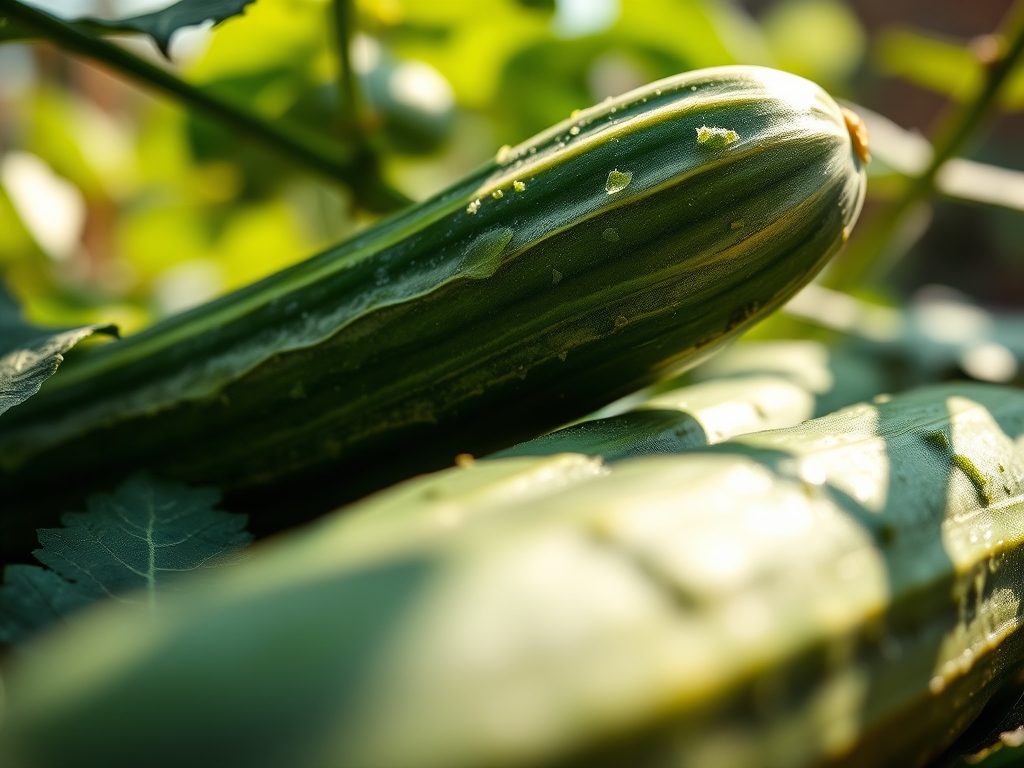
Harvest English cucumbers when they reach 12 to 14 inches in length and a diameter of approximately 1.5 to 2 inches. Do not wait for the fruit to turn yellow; this indicates senescence and the development of tough seeds and bitter skin. Use a sharp knife or shears to cut the peduncle 0.5 inches above the fruit.
To maintain "day-one" freshness, harvest in the early morning when the fruit is at its maximum turgidity. Immediately move the harvest to a cool, shaded area. English cucumbers have thin skins and lose moisture rapidly. Wrap them in plastic film or store them in a high-humidity crisper drawer at 50 to 55 degrees Fahrenheit. Temperatures below 40 degrees Fahrenheit will cause chilling injury and pitting.
FAQ:
Why are my English cucumber leaves turning yellow?
Yellowing is usually caused by nitrogen deficiency or waterlogged soil. Check the drainage first. If the soil is not overly saturated, apply a balanced liquid fertilizer to restore nitrogen levels and support chlorophyll synthesis.
Do English cucumbers need a trellis?
Yes. Vertical growth is essential for English varieties to ensure straight fruit and prevent soil-borne diseases. Trellising improves airflow and allows for more efficient light interception, which is critical for high-yield photosynthesis.
How often should I water English cucumbers?
Apply water whenever the top inch of soil feels dry. This usually equates to 1 to 2 inches of water per week. Consistent moisture prevents the accumulation of bitter compounds and ensures the fruit remains crisp and succulent.
Why are the flowers falling off without producing fruit?
This often occurs due to extreme heat or lack of pollination in non-parthenocarpic varieties. If temperatures exceed 90 degrees Fahrenheit, the plant may drop flowers to conserve energy. Provide shade and ensure consistent irrigation during heat waves.
What is the best fertilizer for English cucumbers?
Start with a balanced 10-10-10 NPK formula during the vegetative stage. Once flowers appear, switch to a high-potassium fertilizer like a 5-10-15 to support fruit quality and improve the plant's resistance to environmental stress.