6 Vital Steps to Plant Acorn Squash
The smell of damp, oxygenated earth signifies a substrate ready for the high metabolic demands of Cucurbita pepo. A healthy acorn squash leaf exhibits high turgor pressure; it is turgid, rigid, and capable of efficient photosynthesis. To achieve this state, you must master the specific steps to plant acorn squash with technical precision. Success depends on managing the rhizosphere and ensuring the soil temperature remains consistently above 65 degrees Fahrenheit. This process requires more than a casual interest; it demands an understanding of soil chemistry and plant physiology.
Materials:

Acorn squash requires a friable loam with a high Cation Exchange Capacity (CEC). This allows the soil to retain and exchange essential nutrients like calcium and magnesium. The ideal soil pH ranges from 6.0 to 6.8. If your pH falls below 6.0, the availability of phosphorus and magnesium decreases, leading to stunted development.
For initial soil preparation, integrate a balanced NPK ratio of 10-10-10 into the top six inches of the bed. As the plant transitions to the reproductive phase, shift to a lower nitrogen formula, such as 5-10-10, to prevent excessive foliage growth at the expense of fruit set. Ensure the substrate has a high organic matter content (at least 5 percent) to maintain moisture levels without inducing anaerobic conditions.
Timing:
Acorn squash is a warm-season annual that is highly sensitive to frost. In USDA Hardiness Zones 3 through 10, planting must occur only after the danger of frost has passed and soil temperatures reach a minimum of 70 degrees Fahrenheit. The biological clock of the acorn squash is governed by the photoperiod and heat units.
The transition from the vegetative stage to the reproductive stage typically occurs 45 to 55 days after germination. During this window, the plant shifts its energy from leaf production to flower development. If planted too early in cold soil, the seeds will succumb to fungal pathogens or experience "chilling injury," which disrupts the cellular membranes and permanently stunts the plant.
Phases:

Sowing
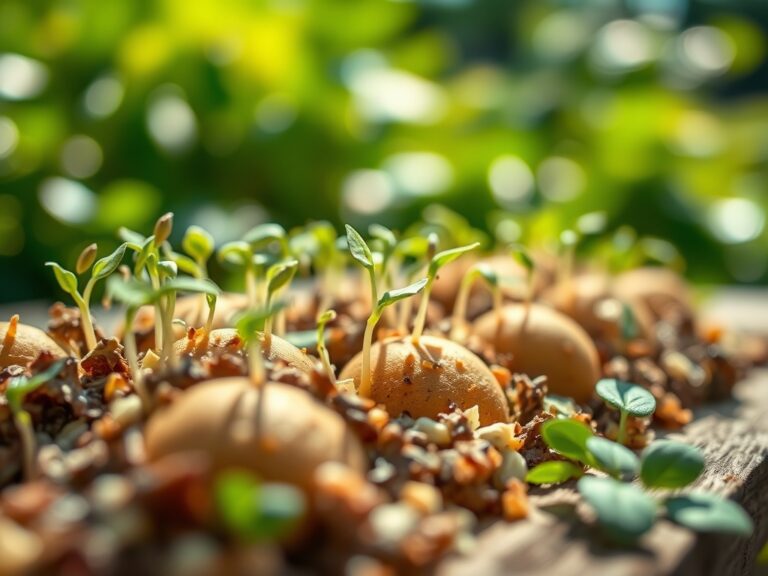
Direct sow seeds 1 inch deep in hills spaced 3 to 4 feet apart. Each hill should contain 3 seeds to ensure a successful stand. Once the seedlings reach 3 inches in height, thin them to the strongest single plant.
Pro-Tip: Maintain consistent moisture during germination to prevent the seed coat from hardening. The Biological Why involves the process of imbibition; the seed must absorb water to activate the enzymes that break down stored starches into energy for the embryo.
Transplanting
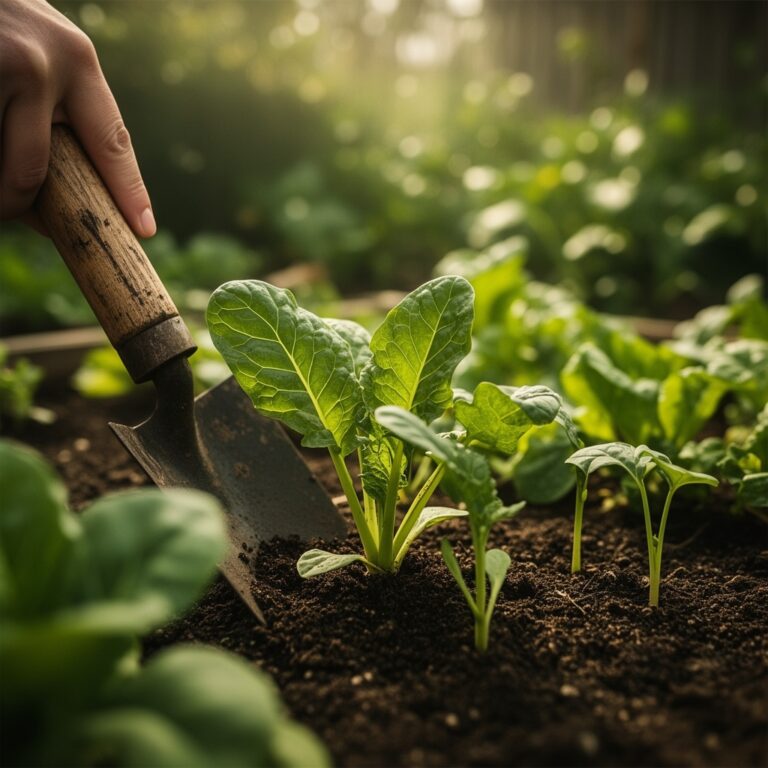
If starting indoors, use biodegradable peat or paper pots to minimize root disturbance. Acorn squash roots are highly sensitive to physical trauma. Transplant when the seedling has two true leaves and the outdoor soil is warm.
Pro-Tip: Apply a seaweed-based kelp solution during transplanting. The Biological Why is to provide cytokinins that stimulate cell division and help the plant overcome transplant shock by strengthening the root-to-soil interface.
Establishing
As the vines begin to run, apply a layer of organic mulch to regulate soil temperature and suppress weed competition. Ensure the vines have adequate space to expand; a single acorn squash plant can occupy 15 to 25 square feet.
Pro-Tip: Avoid overhead irrigation during the establishment phase. The Biological Why relates to preventing the germination of fungal spores on the leaf surface, as moisture trapped in the dense canopy facilitates the spread of Erysiphe cichoracearum (powdery mildew).
The Clinic:
Physiological disorders often mimic infectious diseases. Accurate diagnosis is critical for effective intervention.
- Symptom: Interveinal chlorosis (yellowing between leaf veins) on older leaves.
Solution: This indicates a Magnesium deficiency. Apply Epsom salts (magnesium sulfate) at a rate of 1 tablespoon per gallon of water as a soil drench. - Symptom: Blossom end rot (dark, leathery spot on the fruit base).
Solution: This is caused by a Calcium localized deficiency, often triggered by inconsistent watering. Maintain a steady soil moisture level to ensure calcium transport through the xylem. - Symptom: Marginal leaf burn or necrosis.
Solution: This often signifies Potassium deficiency. Supplement with sulfate of potash to improve the plant's water-use efficiency and fruit quality. - Symptom: Nitrogen Chlorosis (uniform paling of the entire leaf).
Fix-It: Apply a high-nitrogen side-dressing, such as blood meal, to restore chlorophyll production and vegetative vigor.
Maintenance:
Precision in resource management determines the final yield quality. Acorn squash requires exactly 1.5 inches of water per week, delivered directly at the drip line to avoid wetting the foliage. Use a soil moisture meter to verify that the root zone, approximately 8 to 12 inches deep, remains hydrated but not saturated.
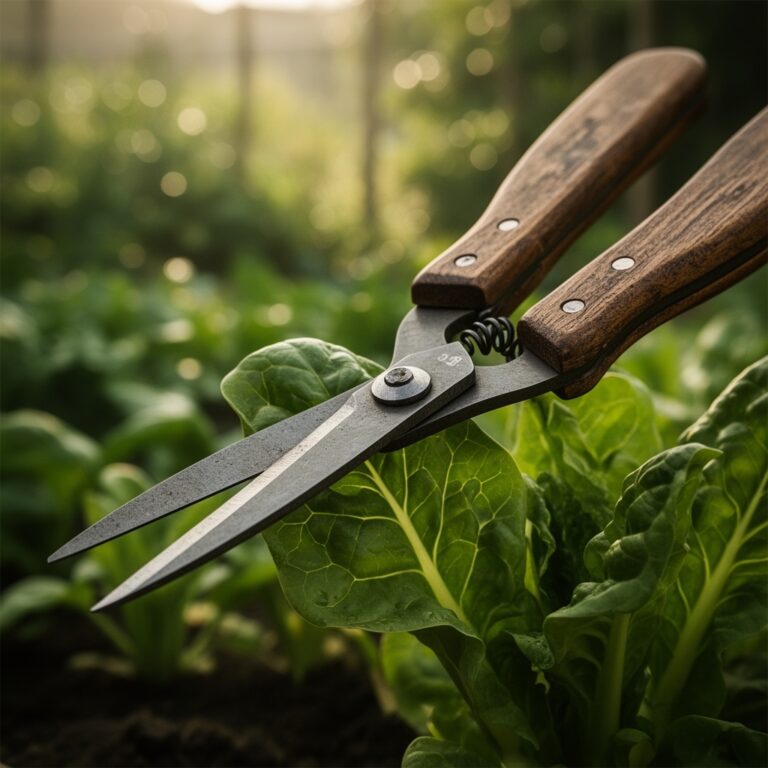
Pruning is rarely necessary but can be performed using bypass pruners to remove dead or diseased foliage. Use a hori-hori knife to extract deep-rooted weeds without disrupting the shallow lateral roots of the squash. Monitor the plants daily for signs of the squash vine borer; if found, surgical extraction with a sterile blade may be required to save the main stem.
The Yield:
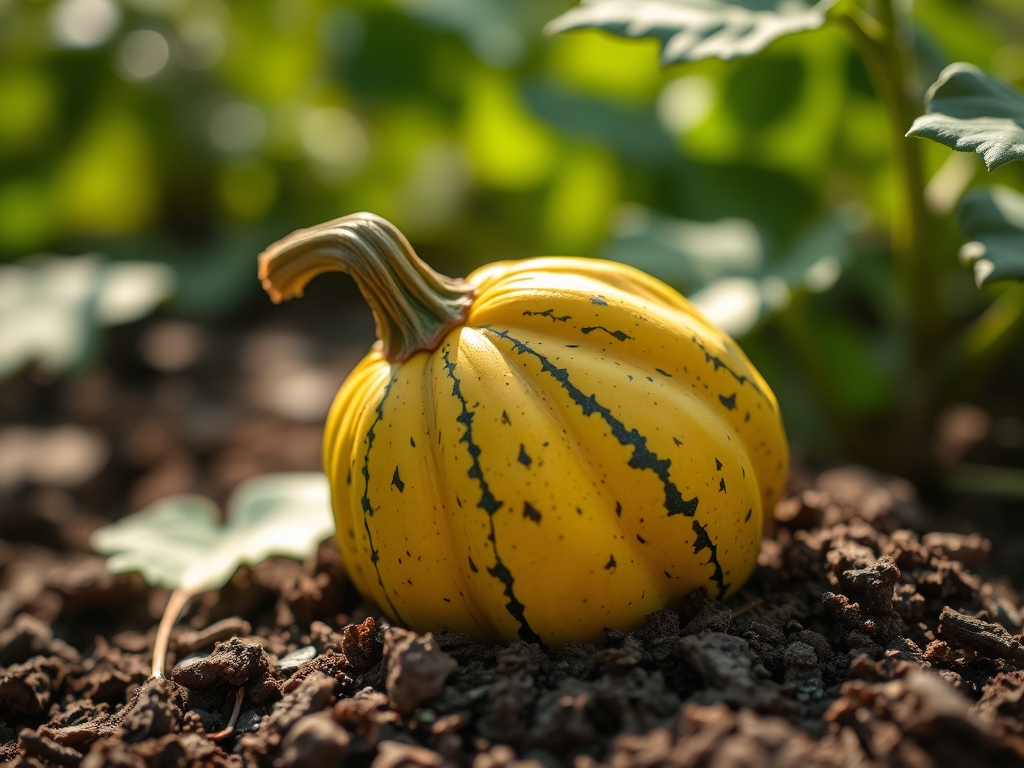
Harvest acorn squash when the rind is hard enough to resist a fingernail puncture and the portion of the fruit touching the ground turns creamy orange. This typically occurs 80 to 100 days after planting. Use bypass pruners to cut the fruit from the vine, leaving at least 2 inches of stem attached. This prevents pathogens from entering the fruit through the neck.
Post-harvest handling is vital for longevity. Cure the squash in a dry area at 70 to 80 degrees Fahrenheit for 10 days to toughen the skin. Afterward, store them in a cool, dark location at 50 to 55 degrees Fahrenheit with 60 percent humidity. This preserves the starch-to-sugar conversion process, ensuring optimal flavor for months.
FAQ:
How much sun does acorn squash need?
Acorn squash requires full solar exposure, totaling at least 6 to 8 hours of direct sunlight daily. Insufficient light leads to leggy vines, poor fruit set, and increased susceptibility to fungal pathogens due to slow leaf drying.
Why are my squash flowers falling off?
This is often due to a lack of pollination or temperature stress. Squash plants produce separate male and female flowers. If pollinators are absent or temperatures exceed 90 degrees Fahrenheit, the plant may abort flowers to conserve resources.
Can I grow acorn squash in containers?
Yes, provided the container holds at least 5 to 10 gallons of substrate. Use a compact or "bush" variety rather than a vining type. Ensure the pot has excellent drainage and use a trellis to manage the growth.
What is the best fertilizer for acorn squash?
Start with a balanced 10-10-10 NPK ratio during the vegetative stage. Once flowering begins, switch to a 5-10-10 or 5-15-15 formula. High phosphorus and potassium levels support fruit development and root health without overstimulating foliage.
How do I tell if acorn squash is ripe?
Examine the ground spot; it should shift from yellow to a deep orange. The skin must be dull rather than shiny, and the stem should feel dry and corky. A hard rind that resists scratching indicates physiological maturity.