9 Temperature and Water Steps to Prepare Winter Cacti
Learning how to prepare a cactus for winter dormancy separates casual hobbyists from growers who understand the desert biome's ancient rhythm. In their native habitats, cacti experience dramatic temperature swings and near-zero precipitation from November through February. This seasonal stress triggers physiological changes that prevent cell rupture during freezing nights and conserve carbohydrate reserves. Replicating these conditions in cultivation ensures robust spring growth, prolific blooms, and resistance to root rot. The process hinges on precise manipulation of temperature, irrigation volume, and nutrient withdrawal across nine distinct steps.
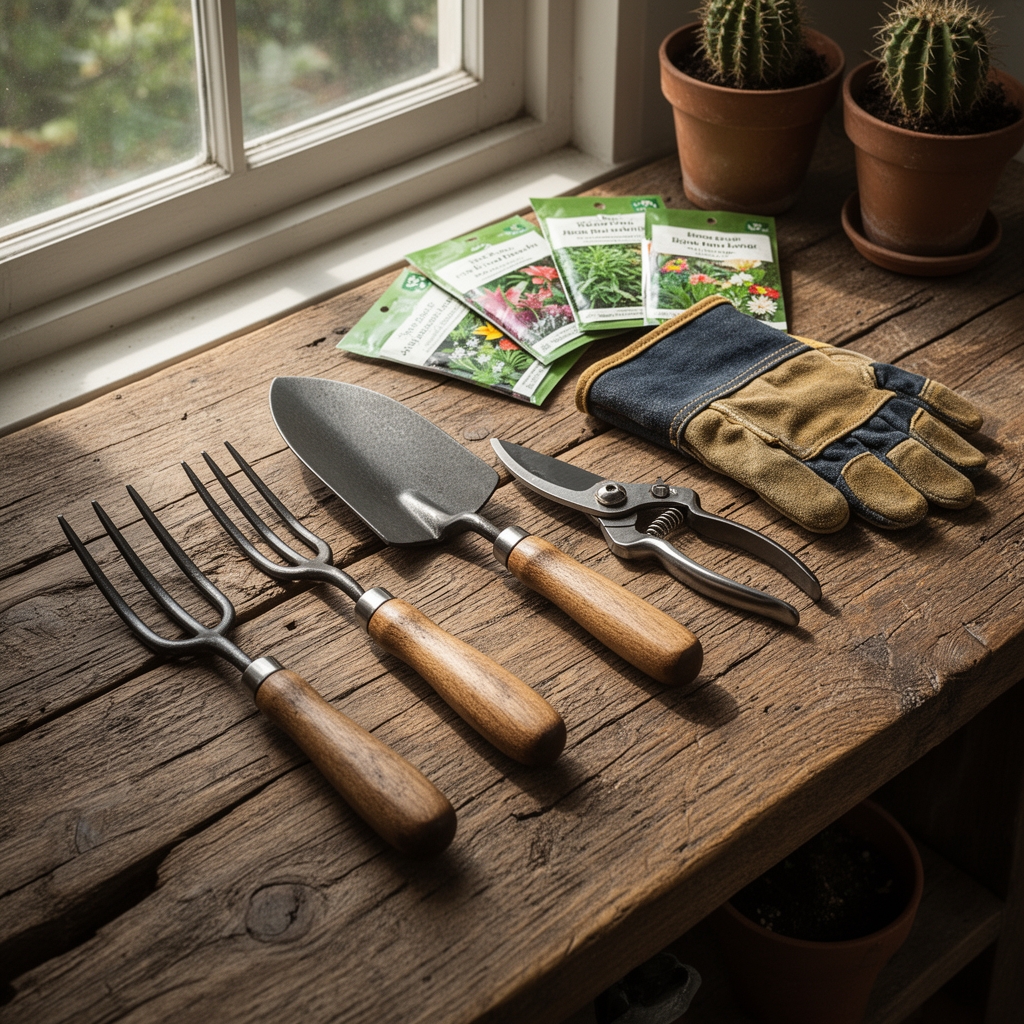
Materials
Soil Amendments (pH 6.0-7.0):
Mineral grit blend with 2-1-1 NPK ratio. Combine pumice, coarse sand, and crushed granite at equal parts. Add 5% worm castings for trace elements without excess nitrogen.
Diatomaceous earth improves drainage and provides silicon for cell wall integrity. Apply 1 tablespoon per gallon of substrate.
Fertilizer Protocol:
Cease all feeding by September 15th in Zones 7-10. Final application should be 2-7-7 liquid kelp diluted to quarter strength. Phosphorus supports dormancy preparation while limiting vegetative growth.
Environmental Controls:
Analog min-max thermometer for root zone monitoring. Digital hygrometer to track humidity below 30%. Ceramic space heaters for greenhouse temperature modulation without desiccating airflow.
Protective Materials:
Frost cloth rated to 28°F for outdoor specimens. Agricultural sulfur powder (98% pure) for pre-dormancy fungal prophylaxis at 1 teaspoon per square foot of soil surface.
Timing
Zone 9-10 growers begin preparation September 1st when night temperatures first dip below 65°F. Zone 7-8 cultivators start August 15th, accounting for earlier first frost dates between October 15-30.
The critical threshold occurs when soil temperature at 4-inch depth remains below 60°F for five consecutive nights. This triggers abscisic acid production, the hormone governing stomatal closure and metabolic slowdown.
Desert species (Ferocactus, Echinocactus) tolerate preparation starting at 70°F soil temperature. Epiphytic cacti (Schlumbergera, Rhipsalis) require gentler transitions beginning when ambient humidity drops below 40% for three consecutive days.
Phases
Phase 1: Water Reduction (Weeks 1-3)
Decrease irrigation volume by 50% immediately. Transition from weekly watering to bi-weekly schedule. Allow substrate to dry completely 2 inches below surface before next application.
Measure soil moisture with a wooden skewer inserted to pot depth. Withdraw when completely dry with no dark water marks.
Pro-Tip: Water only in morning hours between 8-10 AM. This allows any excess moisture to evaporate before nighttime temperature drops, preventing ice crystal formation in vascular tissue.
Phase 2: Temperature Adjustment (Weeks 4-6)
Lower ambient growing temperature by 5°F weekly until reaching 45-50°F for cold-hardy species, 55-60°F for tropical varieties. Use unheated rooms, insulated garages, or climate-controlled cold frames.
Monitor for etiolation (stretched, pale growth) indicating insufficient light during cooling. Maintain 6 hours indirect bright light even as temperatures drop.
Pro-Tip: Gradual cooling increases epicuticular wax production on stem surfaces. This waxy coating reflects excess radiation and seals moisture inside cells. Rapid temperature drops skip this adaptation phase.

Phase 3: Complete Water Cessation (Week 7 Through Winter)
Stop all irrigation by November 1st in northern zones, December 1st in southern regions. Cacti survive on stored water in parenchyma tissue and atmospheric moisture.
Acceptable shriveling occurs as turgor pressure decreases. Stems may shrink 10-15% in diameter. This concentrates cellular contents, lowering the freezing point through cryoprotectant accumulation.
Pro-Tip: Arrange pots on wire shelving 6 inches above cold floors. Ground contact in unheated spaces creates thermal bridging that freezes roots while stems remain above lethal temperatures.
Troubleshooting
Symptom: Soft, translucent brown patches at stem base.
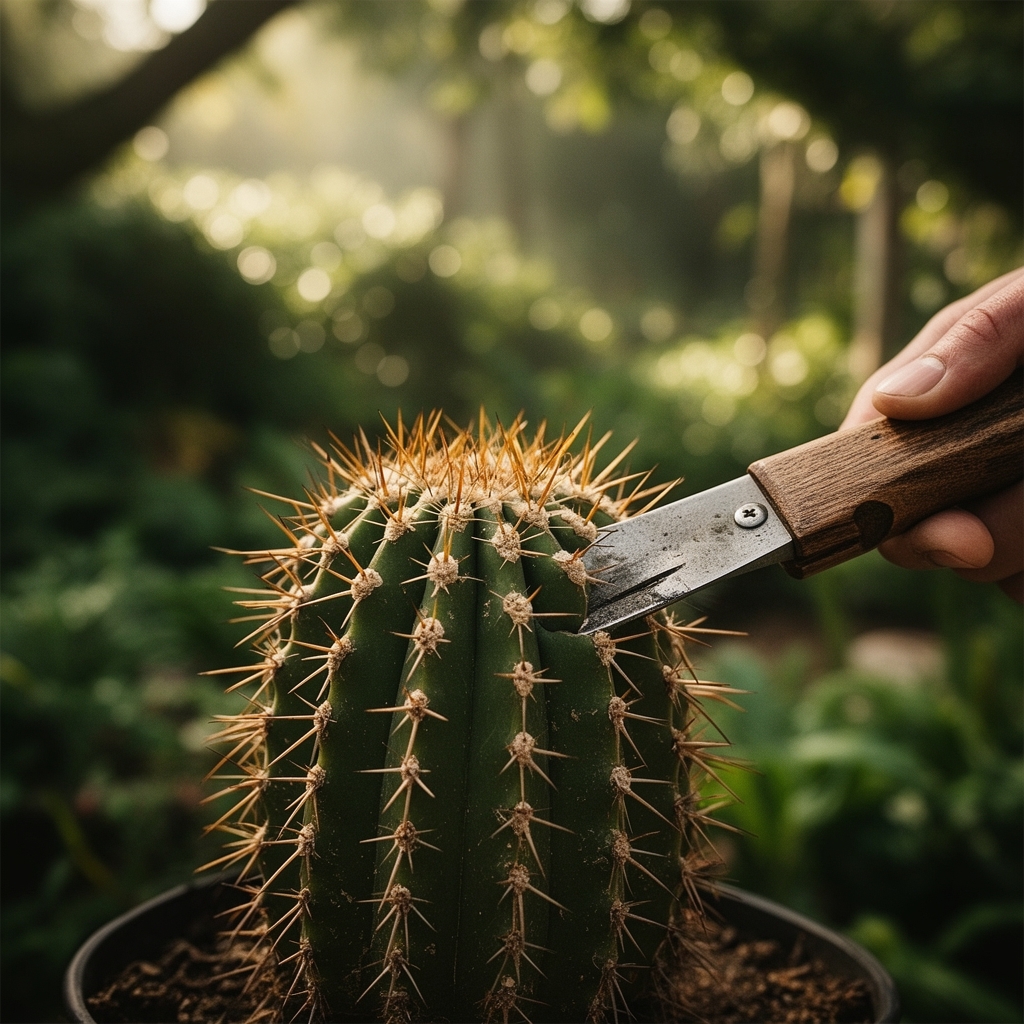
Solution: Root rot from excessive pre-dormancy watering. Remove affected tissue with sterile blade, dust cuts with sulfur powder, withhold water for 4 weeks. Improve substrate drainage with 30% additional pumice before next growing season.
Symptom: Purple or red discoloration across entire plant body.
Solution: Anthocyanin production from cold stress exceeding species tolerance. Increase minimum temperature by 10°F. Coloration reverses with warmth but indicates cell damage occurred. Expect slower spring emergence.
Symptom: White cottony masses in areoles and stem joints.
Solution: Mealybug infestation thriving in dry dormant conditions. Apply 70% isopropyl alcohol with cotton swab directly to insects. Repeat every 5 days for 3 weeks. Maintain air circulation with small fan on low setting 2 hours daily.
Symptom: Stem elongation and pale green growth during winter.
Solution: Insufficient dormancy from warm indoor temperatures above 65°F. Move to cooler location immediately. Prune etiolated growth in early spring before new growth emerges.
Symptom: Complete desiccation with leathery, collapsed stems.
Solution: Over-dormancy in excessively cold or prolonged conditions. Provide emergency water at 2 tablespoons per 6-inch pot. Gradually rehydrate over 2 weeks with increasing volumes.
Maintenance
Monitor stored cacti every 14 days through dormancy. Check for pest activity, mold growth on substrate surface, and catastrophic desiccation beyond normal shriveling.
Acceptable moisture loss reaches 20% of growing-season hydration. Stems feel firm when gently pressed. Soft, mushy texture indicates rot. Crispy, papery texture signals fatal dehydration.
Provide no supplemental light to species experiencing true dormancy (Ariocarpus, Lophophora). Maintain ambient room light for epiphytic types requiring photosynthesis year-round.
Temperature fluctuations between day and night should not exceed 15°F. Extreme swings cause cellular damage as expansion and contraction cycles rupture membranes.
FAQ
When do I resume watering after winter dormancy?
Begin light watering when daytime temperatures consistently reach 60°F and new growth points show green areole development. Start with 2 tablespoons per gallon of pot volume every 10 days, increasing gradually over 4 weeks to full growing-season schedule.
Can all cactus species tolerate the same winter temperatures?
No. High-elevation species (Sclerocactus, Pediocactus) survive to 10°F with dry roots. Tropical epiphytes suffer damage below 50°F. Research your species' native habitat elevation and latitude before setting winter minimums.
Should I fertilize during dormancy preparation?
Cease all fertilization 6 weeks before initiating temperature reduction. Residual nitrogen in substrate promotes continued growth incompatible with dormancy signals. Excess salts also concentrate as water evaporates, burning roots in dry conditions.
How do I know if my cactus needs winter dormancy?
Desert-origin cacti (most Cactaceae family members) require dormancy for spring bloom initiation. Jungle cacti like Christmas cactus need cool rest periods but tolerate higher minimum temperatures and slight moisture. Verify botanical origin to determine requirements.
What if I cannot provide cold temperatures indoors?
Reduce water to monthly minimal amounts and decrease light exposure by 50%. This partial dormancy prevents active growth without true cold treatment. Expect reduced flowering and slower maturation compared to properly dormant specimens.