7 Safe Steps for Neem Oil Application on Indoor Plants
The smell of neem oil registers first—earthy, sulfurous, unmistakable. For centuries, cultivators have relied on Azadirachta indica extracts to suppress soft-bodied insects and fungal pathogens without disrupting beneficial soil microbiota. Understanding the steps for neem oil application on indoor plants transforms houseplant maintenance from reactive pest management to proactive integrated pest management. Each step requires precision in dilution ratios, timing, and coverage patterns to maximize efficacy while protecting leaf cuticle integrity.
Materials
Begin with cold-pressed neem oil labeled at 70% minimum azadirachtin concentration. Avoid heat-processed variants, which degrade limonoids responsible for insecticidal action. Source a clean spray bottle with adjustable nozzle capable of fine mist (50-100 micron droplet size). Use filtered water at pH 6.0-7.0 to prevent alkaline hydrolysis of active compounds. Add liquid castile soap as an emulsifier at 1-2% concentration—this reduces surface tension and improves coverage on waxy leaf surfaces like Ficus elastica or Sansevieria trifasciata.
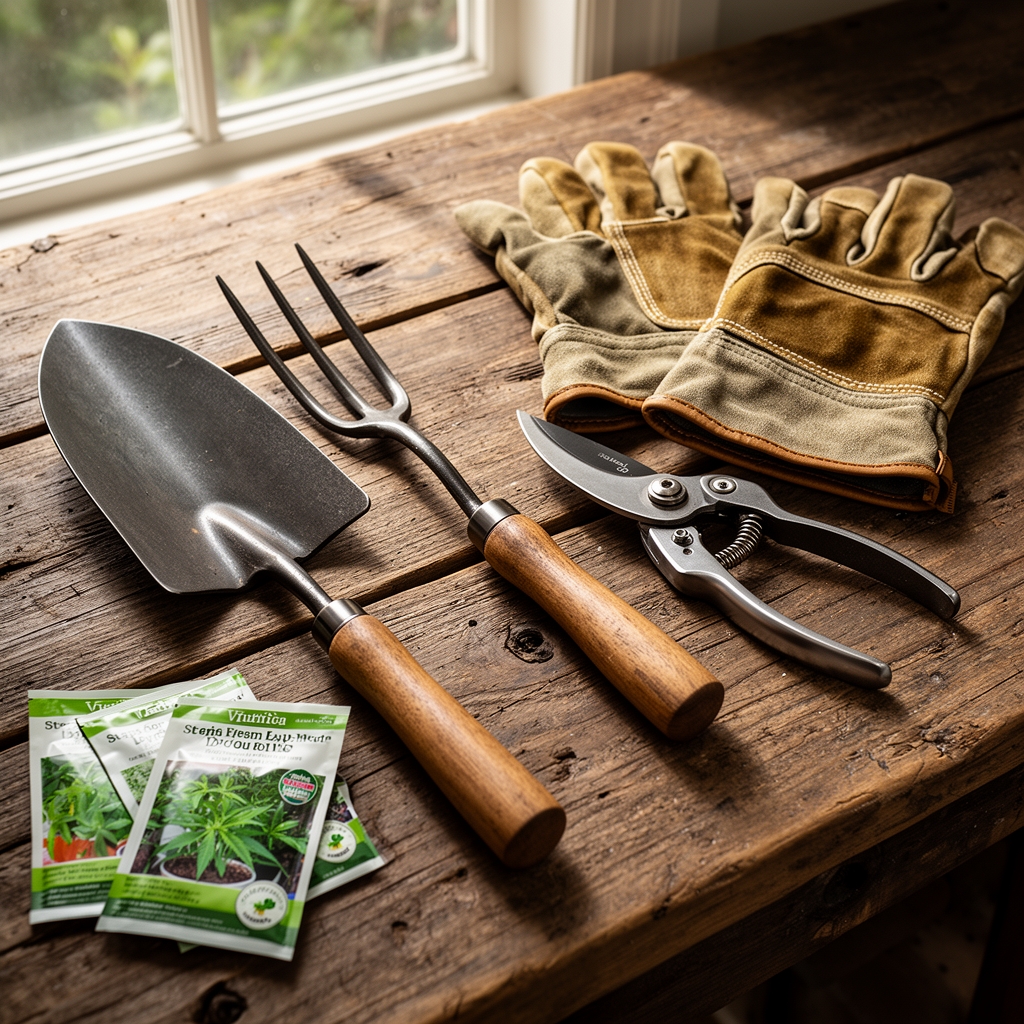
For foliar feeding integration, consider neem cake (NPK 4-1-2) as a soil amendment post-application. The residual nitrogen supports chlorophyll synthesis during recovery from pest stress. Organic neem formulations with potassium silicate (0-0-3) strengthen cell walls and increase resistance to piercing-sucking insects like aphids and thrips.
Timing
Indoor applications follow different rules than outdoor seasonal schedules. Target applications during evening hours when stomata close partially, reducing phytotoxicity risk. Temperature range of 60-75°F optimizes spray adhesion without causing oil to solidify (below 55°F) or evaporate too rapidly (above 80°F). In USDA Hardiness Zones 9-11, where indoor-outdoor plant rotation occurs, coordinate treatments two weeks before transitioning plants indoors to eliminate hitchhiking pests.
Monthly preventive applications work for most scenarios. During active infestations, increase to every 7-10 days for three consecutive cycles to disrupt insect reproductive cycles. Avoid applications during flowering on edible houseplants like Capsicum annuum varieties, as neem can deter pollinators if plants later move outdoors.
Phases
Preparation Phase: Isolate the affected plant to prevent pest migration. Inspect leaf undersides, nodes, and soil surface with 10x magnification to identify pest species and lifecycle stage. Remove heavily infested leaves with sterile pruning shears at 45-degree angles to minimize water accumulation on cut surfaces. This reduces secondary fungal infection risk.

Pro-Tip: Introduce Hypoaspis miles predatory mites to soil 48 hours before neem application. These beneficial arthropods tolerate neem and provide long-term fungus gnat larvae control.
Mixing Phase: Combine 2 tablespoons neem oil with 1 teaspoon castile soap in 1 quart warm water (90-100°F). Warm water improves emulsification. Shake vigorously for 30 seconds until the solution appears milky white without oil separation. Test pH; adjust to 6.5 using citric acid if necessary. Use mixed solution within 8 hours, as azadirachtin degrades in aqueous suspension.
Pro-Tip: Add 1/4 teaspoon silica supplement to increase leaf rigidity and reduce pest feeding damage during treatment period.
Application Phase: Spray all plant surfaces to runoff, emphasizing leaf undersides where 80% of soft-bodied insects congregate. Hold nozzle 6-8 inches from foliage. Apply in overlapping passes to ensure complete coverage without pooling. For plants with dense canopies like Schefflera arboricola, gently separate branches to access interior foliage. Treat surrounding soil surface to address soil-dwelling life stages of pests like fungus gnat larvae.
Pro-Tip: Wipe pot rims and saucers with neem solution to eliminate eggs deposited in these microclimates.
Troubleshooting
Symptom: Leaf yellowing 24-48 hours post-application with brown necrotic spots.
Solution: Phytotoxicity from excessive concentration or midday application during high light intensity. Rinse foliage with room-temperature water immediately. Reduce neem concentration to 1 tablespoon per quart for sensitive species like ferns or Calathea varieties.
Symptom: White residue persists on leaves after drying.
Solution: Excess emulsifier or hard water mineral deposits. Increase water-to-soap ratio and use distilled water. Buff leaves gently with microfiber cloth.
Symptom: Pest populations rebound within 5 days.
Solution: Incomplete coverage or treating during wrong lifecycle stage. Target egg-laying adults and newly hatched nymphs specifically. Increase application frequency to every 5 days for two weeks.
Symptom: Leaf drop on woody plants like Ficus benjamina.
Solution: Osmotic stress from soap concentration. Reduce castile soap to 0.5 teaspoon per quart. Ensure proper acclimation to avoid compounding environmental stress.
Maintenance
Reapply every 21-28 days during growing season (March-September) as preventive maintenance. Water plants 24 hours before application so tissues are turgid, improving spray retention. Maintain relative humidity at 40-60% post-treatment to prevent excessive transpiration stress. Provide air circulation with fans set to low speed, positioned to avoid direct airflow on treated surfaces for 4 hours post-application.
Monitor new growth weekly for early pest detection. Neem exhibits systemic activity when applied as soil drench (1 tablespoon per gallon monthly), absorbed through roots and distributed via xylem to new tissues. This method provides 4-6 weeks of residual protection against chewing insects.
FAQ
How long does neem oil remain effective on leaves?
Active compounds degrade within 3-5 days under indoor lighting. Reapplication every 7-10 days during active infestations maintains therapeutic concentrations.
Can neem oil damage specific plant families?
Brassicas, some succulents, and hairy-leaved plants show sensitivity. Perform spot tests on 2-3 leaves, waiting 48 hours before full application.
Does neem affect beneficial insects indoors?
Predatory mites and ladybugs tolerate dried neem residue. Avoid direct spray contact with beneficials during application.
What concentration works for severe spider mite infestations?
Increase to 3 tablespoons per quart with daily applications for 5 days. Alternate with insecticidal soap to prevent resistance.
Should neem be rinsed off after treatment?
No. Residual film provides continued antifeedant effects. Remove only if phytotoxicity symptoms appear.