7 Smart Ways How to Design a Small Courtyard
The scent of damp, mineral-rich earth and the firm turgor of a leaf saturated with water define the success of a high-performance garden. When you learn how to design a small courtyard, you are managing a microclimate where airflow is restricted and heat radiation from walls is intense. Precision in drainage and plant selection determines whether the space thrives or suffers from heat stress. Success requires a mastery of soil physics and light availability to transform a confined area into a functional ecosystem.
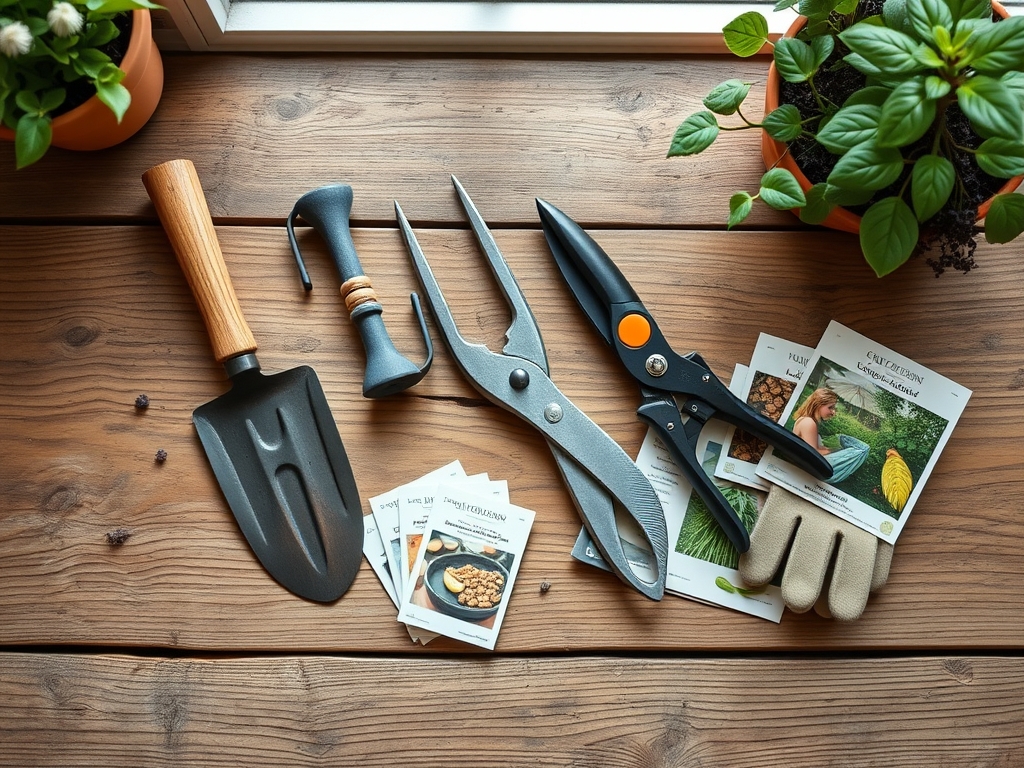
Materials:
A courtyard garden is only as resilient as its substrate. You must engineer a friable loam that balances aeration with water retention. For most ornamental and edible species, aim for a soil pH between 6.2 and 6.8. This range ensures maximum bioavailability of micronutrients.
The Cation Exchange Capacity (CEC) of your soil should be high, typically achieved by incorporating 20 percent organic matter. For the establishment phase, utilize a balanced NPK ratio of 10-10-10 to support root development and cellular elongation. If you are focusing on flowering perennials, shift to a 5-10-10 ratio to prioritize phosphorus for bud initiation. Avoid heavy clays that compact under foot traffic; instead, use a mix of coarse sand, perlite, and composted bark to maintain a bulk density of approximately 1.1 to 1.3 grams per cubic centimeter.
Timing:
The biological clock of a courtyard is dictated by USDA Hardiness Zones and the thermal mass of surrounding structures. In Zones 7 through 9, the heat island effect of brick or concrete walls can raise the ambient temperature by 5 to 10 degrees Fahrenheit. You must schedule your planting windows based on the last frost date, typically aiming for a soil temperature of at least 60 degrees Fahrenheit for most temperate species.
Understand the photoperiod requirements of your selected cultivars. Long-day plants require more than 12 hours of light to transition from the vegetative stage to the reproductive stage. In a small courtyard, shadows cast by walls can truncate this window. Monitor the vernalization requirements for bulbs or fruit trees, as some species require a specific number of chill hours below 45 degrees Fahrenheit to break dormancy and initiate spring growth.
Phases:

Sowing and Site Preparation
Begin by mapping the solar path. A small courtyard often experiences "deep shade" or "reflected blast" conditions. Clear all debris and till the substrate to a depth of 12 inches. If using containers, ensure they have adequate drainage holes to prevent anaerobic conditions in the rhizosphere.
Pro-Tip: Incorporate mycorrhizal fungi into the sowing layer. This biological symbiosis expands the root system's surface area, allowing the plant to access phosphorus and water that would otherwise be chemically or physically unavailable.
Transplanting
When moving nursery stock into the courtyard, check for root-bound architecture. Use a hori-hori knife to score the root ball, encouraging outward radial growth. Set the crown of the plant exactly at the soil line; burying the stem can lead to adventitious rooting or fungal rot.
Pro-Tip: Water the transplants immediately to eliminate air pockets. This maintains hydraulic conductivity between the root hairs and the soil particles, preventing immediate desiccation and transplant shock.
Establishing and Training
In a confined space, vertical growth is essential. Use trellises or wires to manage the architecture of the plants. Regular pruning is required to maintain airflow and prevent the buildup of humidity, which invites pathogens.
Pro-Tip: Practice apical dominance management by pinching back terminal buds. This suppresses auxin flow down the stem, which stimulates lateral bud development and results in a bushier, more compact plant profile suitable for small spaces.
The Clinic:
Physiological disorders in courtyards are often linked to poor gas exchange or nutrient imbalances.
- Symptom: Interveinal Chlorosis. The leaves turn yellow while the veins remain green.
- Solution: This is typically an Iron (Fe) deficiency caused by high soil pH. Lower the pH using elemental sulfur or apply chelated iron foliar spray.
- Symptom: Leaf Scorch. Brown, necrotic edges on the foliage.
- Solution: This is often caused by excessive salt buildup from fertilizers or high transpiration rates in reflected heat. Flush the soil with 2 inches of water to leach salts and provide afternoon shade.
- Symptom: Blossom End Rot. Dark, sunken spots on the base of fruits.
- Solution: This indicates a Calcium (Ca) deficiency, often triggered by erratic watering. Maintain consistent soil moisture to ensure steady calcium transport through the xylem.
Fix-It for Nitrogen Chlorosis: If older leaves are uniformly pale green or yellow, the plant is scavenging nitrogen for new growth. Apply a high-nitrogen liquid fertilizer with an NPK of 20-0-0 for immediate uptake.
Maintenance:
Precision is the hallmark of a master gardener. Deliver 1.5 inches of water per week at the drip line rather than the foliage to prevent powdery mildew. Use a soil moisture meter to verify that the root zone is damp at a depth of 4 inches before re-watering.
Keep your bypass pruners sharp and disinfected with 70 percent isopropyl alcohol to prevent the spread of vascular wilts. Use a hori-hori knife for precision weeding, ensuring you remove the entire taproot to prevent regeneration. Apply a 2-inch layer of organic mulch to regulate soil temperature and reduce evaporation rates in the high-heat courtyard environment.
The Yield:
For courtyard edibles or cut flowers, timing the harvest is critical for post-harvest longevity. Harvest during the early morning hours when turgor pressure is at its peak. This ensures the cells are fully hydrated, extending the shelf life of the produce.
Use sharp snips to make clean cuts, avoiding any crushing of the vascular tissue. For flowers, immediately plunge the stems into 100-degree Fahrenheit water to remove air bubbles from the xylem. For herbs, harvest no more than one-third of the total biomass at a time to ensure the plant has enough photosynthetic surface area to recover quickly.
FAQ:
How do I improve drainage in a paved courtyard?
Install a French drain system or use raised beds with a 20 percent perlite mix. Ensure the substrate sits on a geotextile fabric layer above a 4-inch gravel base to prevent water stagnation and root rot.
What are the best plants for high-heat courtyard walls?
Select xerophytic species or those with waxy leaf cuticles like Trachelospermum jasminoides. These plants manage transpiration efficiently and can withstand the reflected infrared radiation from stone or brick surfaces without suffering cellular collapse.
How much sun does a small courtyard actually need?
Most flowering plants require a minimum of 6 hours of direct solar radiation. If your courtyard is shaded by high walls, pivot to "dry shade" specialists like Hosta or Heuchera that thrive in lower light intensities.
Can I grow trees in a small courtyard?
Yes, but you must select columnar or dwarf cultivars grafted onto restrictive rootstocks. This limits the ultimate height and prevents the root system from damaging the structural integrity of your courtyard walls or paving.
How do I prevent nutrient leaching in containers?
Use slow-release granular fertilizers with a polymer coating. These pellets release nutrients based on soil temperature and moisture, ensuring a steady supply of NPK without the rapid washout common with liquid applications in small volumes.