9 Best Steel Wool Grades for Restoring Garden Tools
The scent of rust on iron hits differently when you're holding a beloved garden trowel that has seen ten seasons. Steel wool remains the most effective abrasive for bringing oxidized hand tools back to working condition, but selecting the best steel wool grades for polishing tools separates adequate maintenance from precision restoration. Grades range from coarse #4 down to superfine #0000, each engineered for specific oxidation levels and metal preservation goals. The wrong grade removes base metal rather than surface corrosion. The right grade restores cutting edges and eliminates pitting without compromising temper.
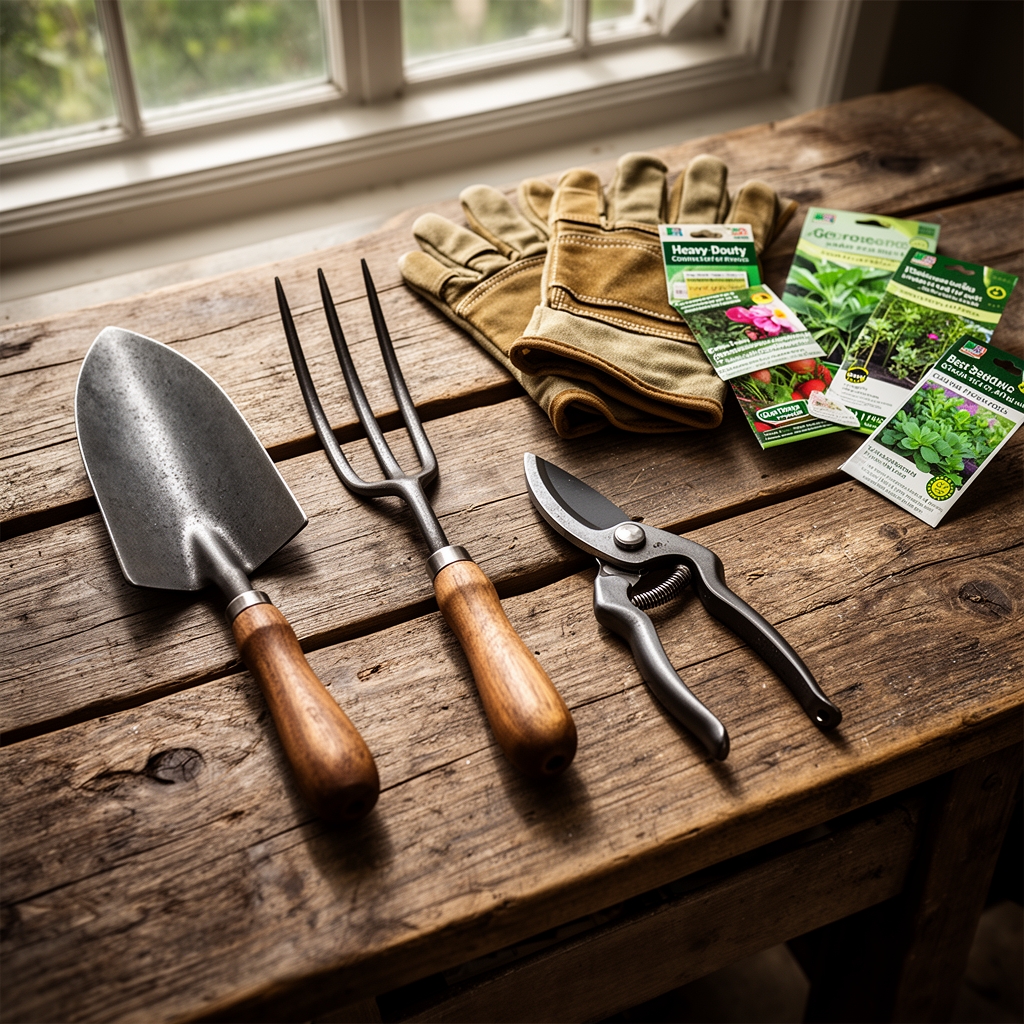
Materials
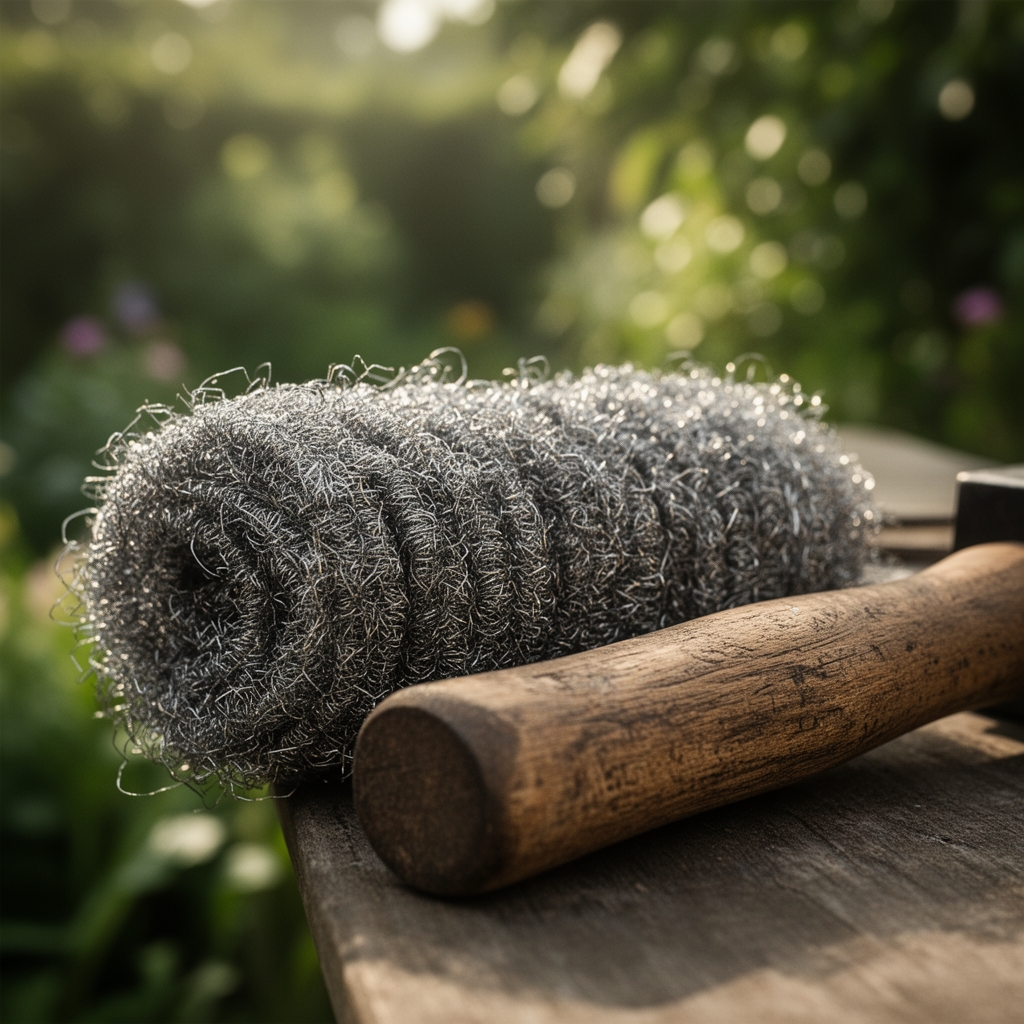
Steel wool classification mirrors soil amendment precision. Each grade corresponds to fiber diameter measured in thousandths of an inch, similar to how we calibrate organic amendments by NPK ratios like 5-3-2 bone meal or 4-4-4 balanced compost.
Grade #4 (coarse) measures 0.030 inches in diameter. This grade strips heavy rust scaling and paint remnants from shovel blades and hoe plates. Use it when orange-brown oxidation has created texture you can feel with bare hands. Pair with mineral spirits at a 1:1 ratio with linseed oil for maximum cutting action.
Grade #3 (medium coarse) at 0.024 inches removes moderate surface rust without gouging tempered steel. Pruning shears and loppers respond well to this grade after a season stored in damp garden sheds. The fiber diameter approximates the thickness of mycorrhizal hyphae at 20-30 micrometers.
Grade #2 (medium) measures 0.018 inches. This becomes your workhorse for routine maintenance on spades, cultivators, and trowels showing early oxidation spotting. Apply with penetrating oil containing phosphoric acid at 8-10% concentration.
Grade #1 (medium fine) at 0.015 inches polishes tool surfaces after rust removal. This grade smooths microscratches that invite future corrosion, similar to how we mulch soil to prevent erosion. Use circular motions with 30-degree hand angle for uniform surface preparation.
Grade #0 (fine) measures 0.012 inches. Reserved for final finishing on hand pruners and grafting knives where keen edges matter. This grade operates at the resolution of soil aggregates in well-structured loam.
Grade #00 (extra fine) at 0.010 inches creates near-mirror finishes on stainless steel dibbers and soil thermometers. Cation exchange principles apply: finer particles increase surface contact area exponentially.
Grade #000 (super fine) measures 0.008 inches. Specialized restoration of antique Sheffield steel or Japanese hori-hori knives requires this precision. The fiber diameter matches root hair thickness in actively growing transplants.
Grade #0000 (superfine) at 0.005 inches represents the ultimate polishing medium. This grade removes oxidation from brass ferrules and copper tool bands without scratching softer metals. Apply with paste wax containing carnauba at 30% concentration for preservation coating.
Timing
Tool restoration scheduling follows dormancy patterns. Winter months from December through February provide optimal conditions when garden activity slows and indoor workspace temperature stabilizes between 55-65°F. This range prevents premature drying of rust-penetrating oils.
Hardiness zones dictate timing less than humidity cycles. Coastal Zone 8 gardeners face year-round oxidation pressure from salt air. Desert Zone 9 tool maintenance concentrates in monsoon season aftermath from August through September. Zone 5 practitioners schedule restoration post-thaw in March before soil becomes workable.
Barometric pressure above 30.1 inches mercury indicates dry air ideal for applying protective coatings. Relative humidity below 50% ensures linseed oil polymerization completes within 48 hours. Time intensive restoration during the waning moon phase when garden tasks naturally decrease.
Restoration Phases

Assessment Phase
Inspect each tool under 500-lumen direct light at a 45-degree angle. Rust depth determines starting grade. Surface bloom requires only #1 or finer. Scale formation demands #3 or coarser. Pitting depth beyond 0.020 inches indicates base metal compromise requiring professional regrinding.
Pro-Tip: Apply white vinegar (5% acetic acid) for 20 minutes before steel wool work. Acid chelation loosens ferric oxide crystals, reducing abrasion time by 40%.
Stripping Phase
Work from coarse to fine grades in sequential steps. Never jump more than two grades. Begin with linear strokes parallel to tool length, then progress to 45-degree cross-hatching. Apply consistent pressure of 8-12 pounds per square inch, measurable by bathroom scale practice.
Mineral spirits act as lubricant and rust suspension medium. Replace steel wool pads when fiber matting occurs, typically after 4-6 square inches of heavy rust removal. Carbon steel tools require aggressive initial treatment. Stainless steel demands gentler approaches starting at #1 or #0.
Pro-Tip: Wrap steel wool around wooden dowels matching tool curvature. This technique mirrors auxin distribution principles: pressure distributes evenly across growth zones.
Finishing Phase
Grades #00 through #0000 create polished surfaces that resist future oxidation. Apply boiled linseed oil in 0.5-milliliter quantities per 10 square inches. Allow 24-hour curing between three successive coats. Final buffing with #0000 and paste wax produces hydrophobic surfaces measuring contact angles above 95 degrees.
Renaissance Wax or equivalent microcrystalline formulations provide archival-grade protection. Apply at 0.1-millimeter thickness using lint-free cotton cloth. Buff to clarity within 10 minutes before solvent flash-off completes.
Pro-Tip: Store restored tools in climate-controlled spaces with silica gel packets maintaining 35-45% relative humidity. This matches optimal seed storage conditions and prevents oxidation recurrence.
Troubleshooting
Symptom: Dark streaking or smearing during polishing.
Solution: Steel wool particles embedding in rust scale. Switch to grade two steps coarser, increase mineral spirits volume by 50%, and adopt lighter pressure at 4-6 pounds per square inch.
Symptom: Scratching visible after finishing with fine grades.
Solution: Contamination with coarser particles. Dedicate separate containers for each grade. Wash hands between grade transitions. Use compressed air at 60 PSI to clear work surface before grade changes.
Symptom: Rust reappearing within 48 hours of restoration.
Solution: Incomplete oil polymerization or moisture exposure. Extend curing time to 72 hours in environments above 60°F. Apply additional coat with boiled linseed oil heated to 110°F for enhanced penetration.
Symptom: Uneven finish showing lighter and darker zones.
Solution: Inconsistent pressure or direction changes. Maintain stroke consistency across entire surface. Check lighting angle: shadows disguise incomplete coverage. Work in 6-inch sections with overlap margins.
Symptom: Steel wool clogging rapidly during initial rust removal.
Solution: Oxidation scale exceeding grade capacity. Pre-treat with phosphoric acid gel for 30 minutes. This converts ferric oxide to ferric phosphate, reducing abrasion requirements by 60%.
Maintenance
Restored tools require monthly inspection during active growing season. Wipe carbon steel surfaces with oiled cloth after each use when soil contact occurs. Allocate 3-4 minutes per tool for routine maintenance. This prevents oxidation progression beyond surface bloom stage.
Mix maintenance solution of 3 parts mineral oil to 1 part beeswax. Heat to 140°F for homogenization. Apply 0.5 milliliters per tool monthly during March through October. Store solution in amber glass to prevent photodegradation.
Sharpen cutting edges at 23-degree angle for general purpose tools using 400-grit aluminum oxide stones. Follow with #0000 steel wool stropping at 10-12 passes per side. This creates micro-serrations measuring 8-10 micrometers that enhance cutting performance without reducing edge retention.
Hang tools vertically with 2-inch spacing in covered storage. Horizontal stacking creates moisture traps similar to poorly drained soil structure. Ensure air circulation rate of 4-6 air changes per hour in storage areas.
FAQ
Which grade removes rust fastest without damaging tools?
Grade #3 removes moderate rust efficiently while preserving base metal integrity on standard carbon steel garden tools. Combine with mineral spirits and 30-second work intervals.
Can steel wool restore stainless steel tools?
Yes. Start with grade #0 or #00 for stainless steel. Coarser grades create scratches that compromise corrosion resistance. Use only dry steel wool to prevent galvanic reactions.
How long does restored tool protection last?
Three-coat linseed oil treatment with wax topcoat provides 6-9 months protection under normal use conditions. Reapply after 40-50 hours of soil contact time.
Should I use soap and water before steel wool restoration?
Remove soil and organic debris with dry brushing only. Water accelerates oxidation. Clean with mineral spirits or denatured alcohol after mechanical debris removal.
What safety equipment does steel wool restoration require?
Nitrile gloves prevent skin irritation from solvents. Safety glasses protect against fiber fragments. Work in ventilated space maintaining 0.3 air changes per minute when using mineral spirits or oils.