9 Best Bypass Pruners for Harvesting Peppers and Heavy-Stemmed Crops
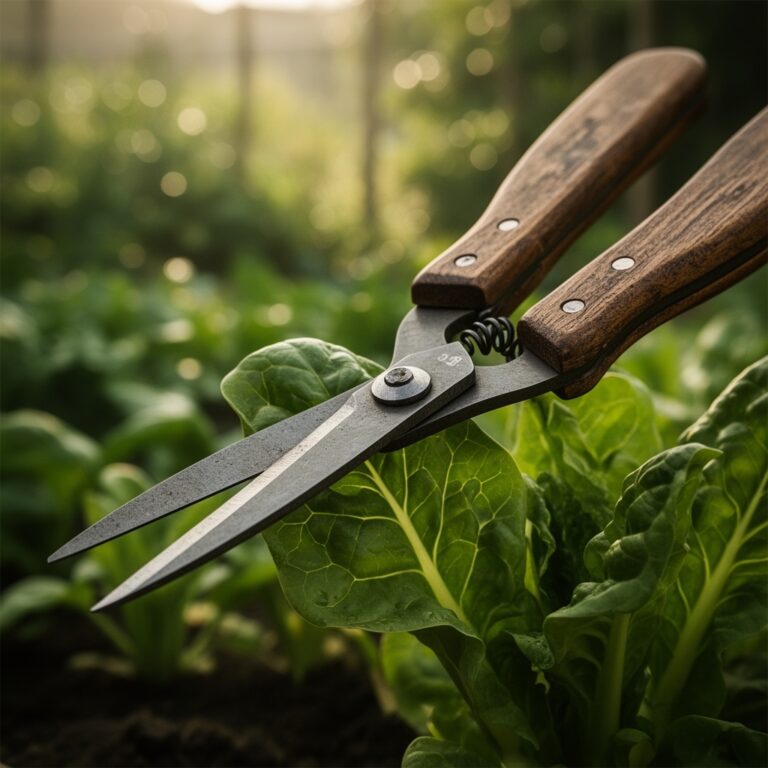
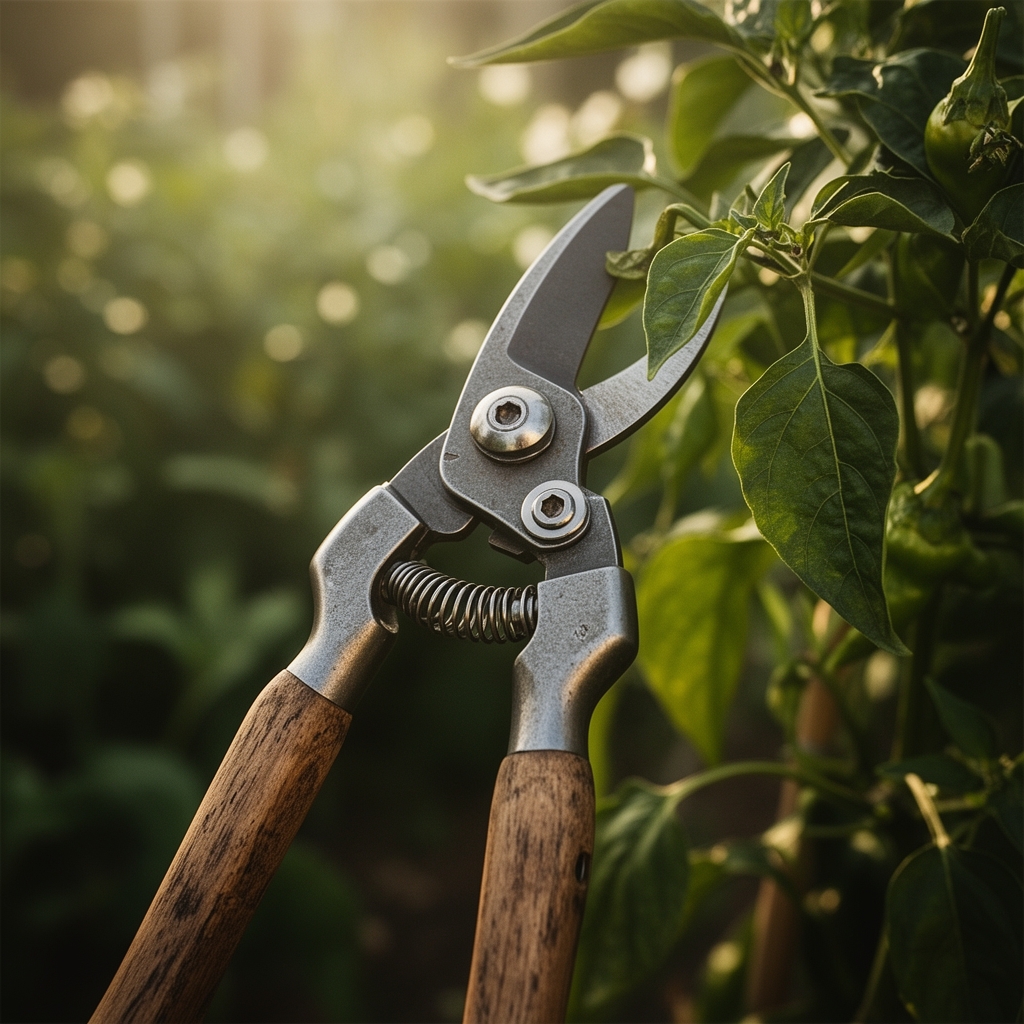
The first clean cut through a ripe pepper's stem releases a bright vegetal aroma that mixes with the earthy scent of warm soil particles clinging to your boots. That snap should be decisive, preserving the calyx and preventing disease entry points that invite bacterial soft rot. Finding the best bypass pruners for harvesting peppers means selecting tools that slice cleanly through stems up to half an inch thick without crushing vascular tissue or leaving ragged wounds that become infection highways.
Most gardeners discover too late that dull anvil pruners crush rather than cut, creating entry wounds for Xanthomonas bacterial spot. Bypass pruners operate like scissors, with a sharp blade passing by a softer counter-blade to create surgical precision. For peppers, eggplants, and tomatoes with woody late-season stems, this mechanism prevents the tissue damage that reduces shelf life and compromises plant vigor during successive harvests.
Materials & Supplies
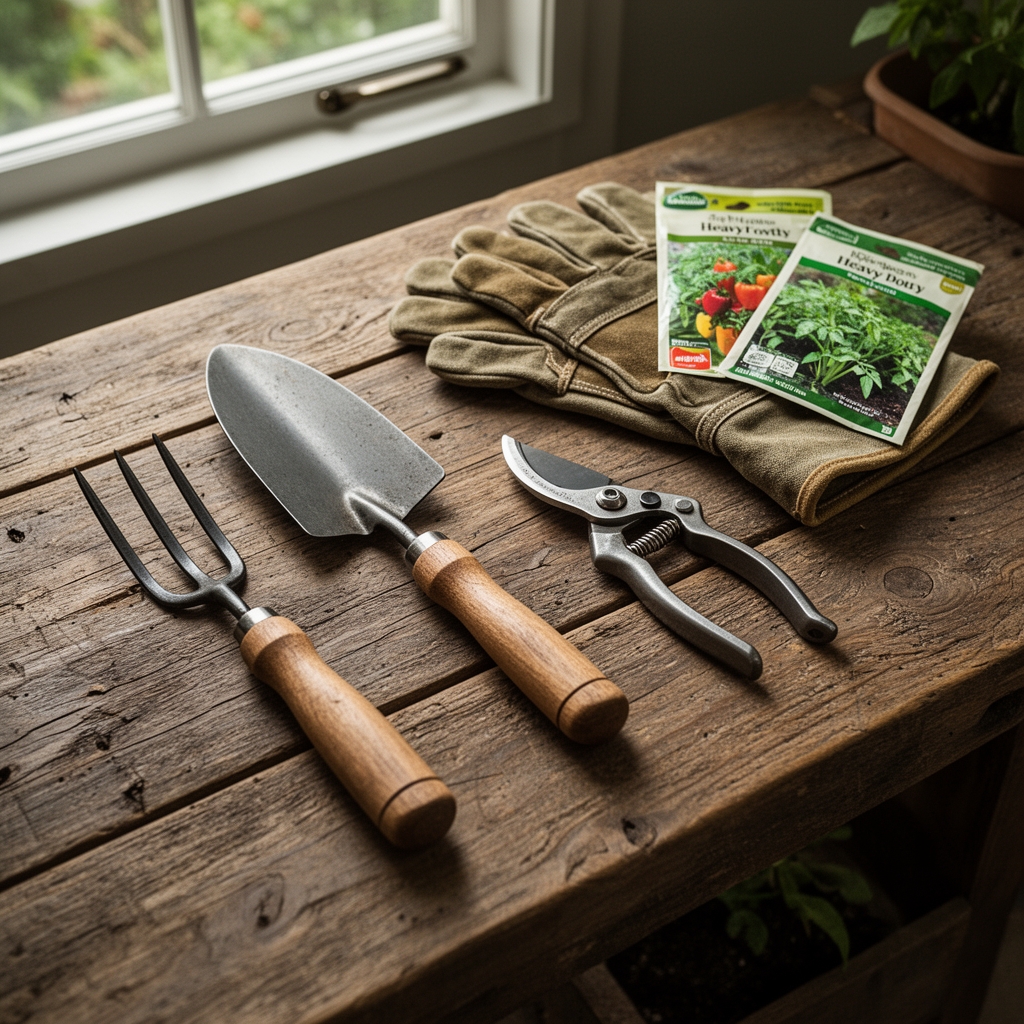
Essential Harvesting Tools:
- Felco F-2 Classic Manual Pruner: Forged aluminum handles, hardened steel blade, cuts up to 1 inch diameter
- ARS HP-VS8Z Signature Heavy Duty Pruner: Japanese steel blade, rotating handle reduces wrist strain
- Okatsune 103 Bypass Pruner: Razor-sharp carbon steel, ideal for 500+ cuts per session
- Corona BP 3180D Forged Classic: DualLINK technology prevents handle twist during thick cuts
- Fiskars Steel Bypass Pruning Shears: Budget option with fully hardened steel blades
- Bahco PX-M2 Ergo Pruner: Ergonomic handle reduces repetitive strain, Swedish steel blade
- Zenport Q120 Micro-Tip Pruner: Precision point reaches tight clusters without damaging adjacent fruit
- Gardena B/S-M Bypass Pruner: Non-stick coating prevents sap buildup during extended harvest sessions
- Saboten 1200 Professional Pruner: Ultra-lightweight design for all-day comfort, replaceable blade
Supporting Supplies:
- Rubbing alcohol (70% isopropyl) for blade sterilization between plants
- Food-grade mineral oil for blade maintenance
- Leather holster for waist-mounted tool access
- Sharpening stone (1000/6000 grit combination)
- Replacement springs and hardware kits
Soil preparation for pepper cultivation requires amendments reaching 6.0 to 6.8 pH. Incorporate compost at 2 inches depth with a balanced fertilizer ratio of 5-10-10 at transplanting, shifting to 5-10-5 during fruit set to prioritize phosphorus for cell wall development and stem strength.
Timing & Growing Schedule
Hardiness Zones: Peppers thrive as annuals in Zones 3 through 11, with perennial potential in frost-free Zone 10 and warmer regions.
Seed Starting Windows:
- Indoor sowing: 8 to 10 weeks before last frost date
- Transplant outdoors: When soil temperatures stabilize above 60°F (15.5°C)
- Direct seeding (Zones 9-11): After soil reaches 70°F (21°C)
Days to Maturity:
- Sweet bell peppers: 70 to 85 days from transplant
- Hot varieties (jalapeño, serrano): 65 to 75 days
- Superhots (habanero, ghost pepper): 90 to 120 days
- Heavy-stemmed crops like eggplant: 70 to 90 days
First harvests begin when fruit reaches full size but before color change, requiring 15 to 30 additional days for complete ripening. Stem diameter increases proportionally with fruit weight, demanding sharper cutting tools as the season progresses.
Step-by-Step Instructions
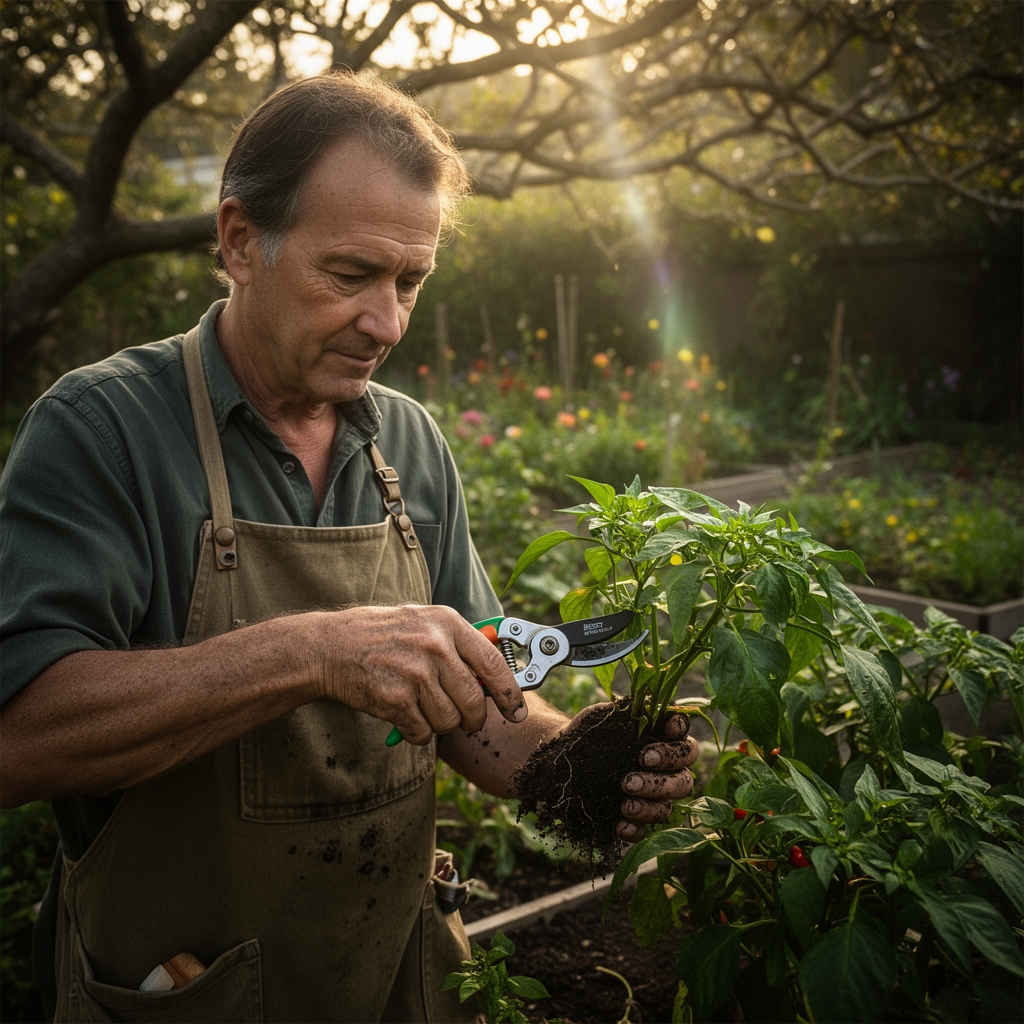
Phase 1: Preparing Your Pruners
Sterilize blades with 70% isopropyl alcohol before entering the garden. This prevents cross-contamination of tobacco mosaic virus, which survives on metal surfaces for 48 hours.
Adjust the blade tension nut until the cutting blade barely touches the bypass blade during closure. Excessive tension accelerates wear; insufficient tension creates crushing injuries.
Test cut a pencil-thick green twig. The cut surface should appear smooth and moist, not fibrous or split. Ragged cuts indicate dullness or misalignment.
Pro-Tip: Apply a thin mineral oil film to blades before harvesting latex-producing plants like peppers. Capsaicin-rich sap bonds to oil rather than metal, simplifying cleanup.
Phase 2: Harvest Technique
Position the bypass blade (sharp cutting edge) toward the plant's main stem. This orientation ensures the cleanest cut remains on the mother plant while any minor crushing affects only the harvested fruit stem.
Cut 1/4 inch above the fruit calyx at a slight angle. Angled cuts shed moisture and reduce fungal colonization on the remaining stem stub.
Support heavy fruit with your free hand during cutting to prevent stem tearing. Bell peppers exceeding 6 ounces can split their attachment point if allowed to drop during harvest.
Harvest during morning hours after dew evaporation but before peak heat. Stem turgor pressure peaks mid-morning, providing the firmest cutting resistance and cleanest separation.
Pro-Tip: Refrigerate pruners in a cooler between rows during high-temperature harvests (above 85°F). Cold blades seal cut surfaces faster, reducing moisture loss from harvested stems.
Phase 3: Post-Harvest Blade Maintenance
Wipe blades with alcohol-soaked cloth after every 10 to 15 cuts when working with disease-suspected plants. Bacterial speck (Pseudomonas syringae) transfers through contaminated tools within seconds.
Remove dried sap immediately using citrus-based degreaser. Capsaicin resin hardens into blade-dulling deposits overnight, reducing cutting efficiency by 30% per session.
Apply three drops of food-grade mineral oil to the pivot point and spring mechanism after each use. This prevents corrosion in humid environments and maintains smooth action through 10,000+ cuts.
Pro-Tip: Store pruners with blades slightly open (1/8 inch gap). Closed storage under tension weakens springs and creates pressure points that accelerate blade edge degradation.
Nutritional & Environmental Benefits
Fresh-harvested peppers retain maximum concentrations of vitamin C (up to 190 mg per 100g in ripe red bells), which degrades 25% within 48 hours of rough harvesting methods. Clean cuts preserve cell membrane integrity, slowing oxidative losses.
Capsaicin concentrations in hot peppers reach peak potency at full color maturity. Proper pruner technique allows selective harvest of individual ripe specimens while leaving immature fruit to develop, extending productive harvest windows by 4 to 6 weeks.
Mineral content includes significant potassium (211 mg per 100g), supporting cardiovascular health, plus notable amounts of vitamin A precursors (beta-carotene) that require intact cell structures for optimal bioavailability.
Continuous selective harvesting using bypass pruners encourages plants to redirect energy into new flowering, increasing total yield by 35% compared to one-time whole-plant removal. This extended bloom period supports native pollinators including bumblebees, mason bees, and specialized Anthophora species that forage throughout late summer.
Precision harvesting minimizes plant stress, allowing pepper plants in frost-free climates to produce for multiple seasons. Perennial pepper specimens develop woody stems exceeding 1 inch diameter, requiring premium bypass pruners for annual pruning maintenance.
Advanced Methods
Small Space Optimization:
Vertical training on trellises concentrates fruit at eye level, simplifying harvest access. Use micro-tip pruners (Zenport Q120 or similar) to navigate dense canopy growth without damaging neighboring stems.
Container cultivation in 5-gallon grow bags requires weekly harvest to prevent root-bound stress. Lightweight pruners (Saboten 1200) reduce hand fatigue during balcony or patio harvests.
Organic & Permaculture Integration:
Incorporate mycorrhizal fungi inoculant at transplanting to improve phosphorus uptake, creating stronger stems that withstand cutting stress. Glomus species form symbiotic relationships with Solanaceae family roots.
Companion plant with nitrogen-fixing legumes (bush beans, cowpeas) to sustain soil fertility. This reduces synthetic fertilizer dependency while maintaining the stem vigor necessary for clean cuts.
Mulch with 3 inches of straw to moderate soil temperature and moisture, preventing the water stress that creates woody, difficult-to-cut stems.
Season Extension Strategies:
Install row covers when night temperatures approach 50°F (10°C). Extended harvests into fall produce thicker stems requiring heavy-duty bypass pruners (ARS HP-VS8Z, Corona BP 3180D).
Prune plants back by one-third in late summer, forcing new vegetative growth that produces tender stems more responsive to precision cutting. This technique extends harvest by 3 to 4 weeks in temperate climates.
Troubleshooting
Symptom: Crushed, brown stem tissue at cut site
Solution: Sharpen or replace bypass blade. Test cutting action on paper; blade should slice cleanly without tearing. Crushed tissue indicates blade dullness or excessive cutting force from misaligned mechanisms.
Symptom: Fruit drops prematurely after cutting neighboring peppers
Solution: Support plant branches while cutting. Vibration from pruner action travels through connected stems, triggering abscission layer formation. Use your free hand to stabilize the main stem during cuts.
Symptom: White, fuzzy mold appears on cut stem stubs within 24 hours
Solution: Cut during dry conditions and apply cinnamon powder (natural fungicide) to remaining stubs. Botrytis cinerea (gray mold) colonizes wet wounds. Improve air circulation and reduce overhead irrigation.
Symptom: Pruner handles separate or pivot becomes loose mid-harvest
Solution: Tighten adjustment bolt to manufacturer specifications (typically 8 to 10 inch-pounds torque). Carry a small multi-tool during extended harvests for field adjustments. Replace worn springs annually.
Symptom: Sap residue prevents blade closure
Solution: Clean blades every 20 minutes during peak harvest using alcohol wipes. For heavy buildup, soak overnight in vinegar solution (1:1 white vinegar to water), then scrub with fine steel wool and re-oil.
Storage & Maintenance
Watering Requirements:
Provide 1 to 1.5 inches of water weekly through drip irrigation or soaker hoses. Inconsistent moisture creates alternating soft and woody stem growth that dulls pruner blades rapidly through variable cutting resistance.
Monitor soil moisture at 4 to 6 inch depth using a probe. Pepper roots concentrate in the top 8 inches; deeper watering encourages stronger stem development at ground level.
Feeding Schedule:
Side-dress with compost tea (1:10 dilution) every 14 days during fruit production. This gentle feeding maintains steady growth without excessive nitrogen that creates weak, watery stems prone to disease after cutting.
Apply granular fertilizer (5-10-5 ratio) at 1/4 cup per plant when first blooms appear, then switch to liquid kelp (0-0-1 NPK) at fruit set for enhanced cell wall strength. Strong cell walls create the firm resistance that allows bypass pruners to function optimally.
Post-Harvest Storage:
Store harvested peppers at 45 to 50°F (7 to 10°C) with 90% relative humidity. Clean cuts preserve quality for 10 to 14 days; crushed stems reduce storage life to 5 days or less.
Do not wash peppers until immediately before use. Moisture on cut stems accelerates decay. Keep stems attached during storage to maintain protective barriers against pathogens.
Pruner Storage Protocol:
Disassemble pruners monthly for deep cleaning. Remove pivot bolt, separate blades, and soak components in mineral spirits to dissolve resin buildup in threads and spring housing.
Sharpen blades every 40 to 50 hours of cutting time using a whetstone at 23-degree angle. Maintain the factory bevel precisely; steeper angles chip easily while shallower angles dull rapidly.
Store in a climate-controlled environment (50 to 70°F, below 60% humidity). Garage storage in coastal or humid regions causes spring corrosion and blade pitting within one season.
Conclusion
Success with bypass pruners depends on matching tool quality to crop demands, maintaining surgical sharpness through systematic care, and executing cuts that preserve both plant vigor and fruit quality. These three principles transform harvesting from a damaging extraction into a health-promoting interaction that extends productivity across multiple seasons. Share your experiences with fellow growers at local garden club meetings or cooperative extension workshops to elevate harvesting standards throughout your growing community.
Expert FAQs
Q: How often should I replace bypass pruner blades when harvesting peppers daily?
Professional-grade blades (Felco, Okatsune, ARS) last 2 to 3 seasons with proper maintenance including weekly sharpening and daily cleaning. Budget models require annual replacement. Watch for blade flex during cuts or inability to slice printer paper cleanly as replacement indicators.
Q: Can I use the same pruners for both peppers and tomatoes without spreading disease?
Yes, but sterilize blades with 10% bleach solution (1 part bleach to 9 parts water) between plant families. Tobacco mosaic virus and bacterial canker transfer between Solanaceae species. Allow 60-second contact time before rinsing and drying thoroughly to prevent metal corrosion.
Q: Why do my bypass pruners work perfectly on roses but crush pepper stems?
Rose canes contain lignin throughout their structure, creating uniform cutting resistance. Pepper stems have soft pith centers surrounded by tough vascular bundles, requiring sharper blades and proper positioning (bypass blade toward the plant) to prevent compression of the pithy interior.
Q: What blade angle works best for thick pepper stems late in the season?
Maintain a 23 to 25-degree bevel on the cutting blade. Steeper angles (30+ degrees) provide more durability for woody stems but require more force. Test cuts should penetrate stems in one smooth motion without repositioning or sawing action.
Q: Should I oil bypass pruner blades before or after harvesting peppers for fresh consumption?
Apply food-grade mineral oil after harvesting and cleaning. Pre-oiling can transfer petroleum residues to fruit surfaces. Use silicone-free lubricants; silicone attracts dust that accelerates blade wear during cutting. Clean with alcohol wipes before first morning cuts.