9 Beneficial Steps for Treating Mealybugs with Beneficial Insects
The scent of damp, well-aerated humus signals a high-functioning rhizosphere, where the turgor pressure of a leaf indicates cellular health and osmotic balance. When that balance shifts, white, waxy secretions of Pseudococcidae appear, signaling an infestation that threatens the plant's vascular integrity. Implementing the correct steps for treating mealybugs with beneficial insects requires more than just releasing predators; it demands an understanding of the trophic levels within your micro-ecosystem. These pests drain phloem sap, reducing the plant's ability to transport carbohydrates and leading to eventual senescence if left unchecked. A biological intervention utilizes the natural predatory-prey cycle to suppress pest populations without the phytotoxicity often associated with systemic chemical applications. By introducing specific insectary agents, you restore the equilibrium of the garden. This process relies on precise timing, environmental monitoring, and the maintenance of a host environment that supports the lifecycle of the beneficial species rather than the pest. Success is measured by the restoration of leaf sheen and the cessation of honeydew production.
Materials:

To support a robust biological control program, the host plant must be in peak physiological condition. Start with a friable loam substrate characterized by a **Cation Exchange Capacity (CEC) of 15 to 25 meq/100g**. This ensures the soil can hold and exchange essential cations like potassium and magnesium. The soil pH should be maintained between **6.2 and 6.8** to maximize nutrient bioavailability.
For the vegetative phase, utilize an NPK ratio of 3-1-2 to provide sufficient nitrogen for leaf expansion while maintaining structural strength through potassium. Avoid excessive nitrogen, as high nitrate levels in the sap can actually increase mealybug fecundity. Ensure the physical texture of the soil allows for a pore space of approximately 50 percent, split evenly between air and water. You will also need a hand lens (10x magnification) for pest identification and a digital hygrometer to monitor ambient humidity, as many beneficial insects require a relative humidity of 60 to 70 percent to prevent desiccation during their larval stages.
Timing:
Biological controls are most effective in Hardiness Zones 8 through 11 where outdoor temperatures remain consistently above 55 degrees Fahrenheit. In cooler zones, these steps must be synchronized with the spring equinox or performed within a controlled greenhouse environment. The "Biological Clock" of the intervention is critical; you must release beneficials when the plant is in its active vegetative stage but before it reaches full reproductive senescence.
The ideal window for release is when ambient temperatures are between 70 and 85 degrees Fahrenheit. If you release predators during a frost window or during extreme heat exceeding 95 degrees Fahrenheit, their metabolic rates will spike, leading to premature mortality or migration away from the target site. Monitor the photoperiod; many parasitic wasps are more active when daylight exceeds 12 hours, aligning their peak search behavior with the highest metabolic activity of the mealybugs.
Phases:

Sowing and Site Preparation
Before introducing beneficials, ensure the site is free of ants. Ants farm mealybugs for their honeydew and will actively defend them against predators. Use physical barriers or organic baits to clear the area. Ensure the plant has reached a leaf area index sufficient to provide cover for the beneficial insects.
Pro-Tip: Maintaining a clean rhizosphere prevents secondary fungal infections like sooty mold. Fungal spores thrive on the honeydew excreted by mealybugs; by reducing the pest population, you eliminate the substrate required for fungal colonization.
Transplanting and Integration
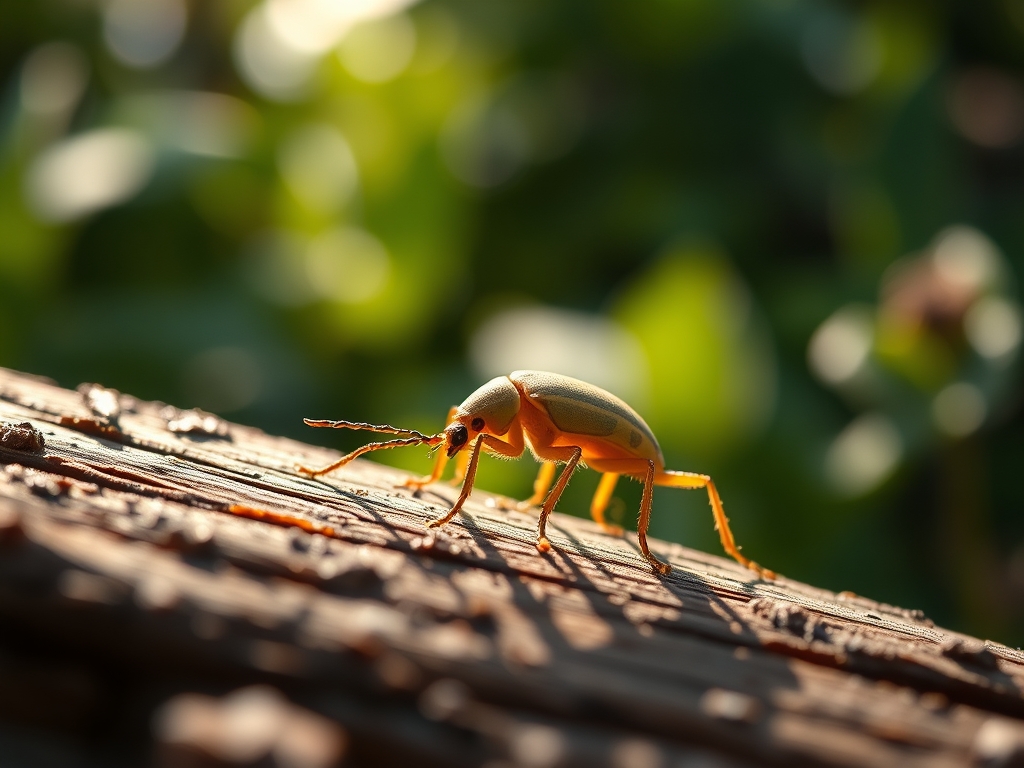
When moving plants into the treatment area, minimize transplant shock to keep turgor pressure high. Introduce the Cryptolaemus montrouzieri (Mealybug Destroyer) or Leptomastix dactylopii (parasitic wasp) during the early morning or late evening. This timing prevents immediate dispersal caused by high midday temperatures and allows the insects to acclimate to the plant's phyllosphere.
Pro-Tip: Utilize auxin suppression by lightly pruning terminal buds if the plant is becoming too leggy. This redirects energy to lateral growth, creating a denser canopy that retains the humidity levels required for beneficial insect egg viability.
Establishing the Colony
Release the beneficial insects at the base of the plant or near the heaviest concentrations of white wax. For Cryptolaemus, a release rate of 5 adults per infested plant is standard for moderate outbreaks. Monitor the site for two weeks without the use of any contact soaps or oils, as these will kill your beneficial agents as readily as the pests.
Pro-Tip: Understanding phototropism helps in placement. Many beneficial wasps are attracted to the brightest side of the plant; ensure you release them on the leeward or shaded side to encourage them to crawl through the interior canopy where mealybugs often hide.
The Clinic:
Symptom: Chlorotic spotting on new growth.
Solution: This indicates localized sap depletion. Increase the frequency of beneficial insect releases and check for the presence of "mummies" (parasitized mealybugs). If mummies are absent, the predator-to-prey ratio is too low.
Symptom: Leaf drop and apical dieback.
Solution: The infestation has reached the vascular tissues. Use a soil moisture meter to ensure the plant is not overwatered, which can exacerbate root stress during a pest attack. Manually remove heavy clusters with a cotton swab dipped in 70 percent isopropyl alcohol before releasing more insects.
Symptom: Nitrogen Chlorosis (General yellowing).
Fix-It: Mealybugs compete for nitrogenous compounds. Supplement with a liquid kelp emulsion or a low-dose nitrogen fertilizer with an NPK of 5-1-1 to bolster the plant's immune response while the beneficial insects work.
Maintenance:
Consistency is the foundation of biological pest management. Deliver 1.5 inches of water per week at the drip line to ensure the plant does not experience drought stress, which thickens the sap and makes it more attractive to mealybugs. Use a hori-hori knife to remove weeds that may serve as alternate hosts for the pests.
Regularly inspect the undersides of leaves and nodal junctions using bypass pruners to remove heavily infested, non-essential small branches. Clean your tools with a 10 percent bleach solution between plants to prevent the mechanical transfer of crawlers (juvenile mealybugs). Every 14 days, use a soil moisture meter to verify that the root zone is maintaining an even moisture profile, avoiding the dry-wet cycles that trigger physiological stress.
The Yield:
For ornamental or fruiting plants, the yield is protected by the presence of these "living insecticides." Harvest when the fruit or flower reaches peak maturity, typically indicated by a specific color change or a brix level increase. Use sharp snips to ensure a clean cut, minimizing the surface area of the wound. Post-harvest, move the produce to a cool, shaded area immediately to maintain "day-one" freshness and prevent the rapid breakdown of cellular walls. If beneficial insects are still present on the harvested material, gently brush them back onto the host plant to maintain the local population.
FAQ:
Which beneficial insect is best for mealybugs?
The Cryptolaemus montrouzieri, known as the Mealybug Destroyer, is the most effective general predator. Both adults and larvae consume all stages of the mealybug lifecycle, making them ideal for rapid population suppression in various climates.
How many beneficial insects do I need?
For a standard infestation, release 2 to 5 adults per square foot of canopy or per infested plant. For larger greenhouse settings, a rate of 1,000 to 2,000 insects per acre is recommended for preventative maintenance.
Will the beneficial insects leave my garden?
Beneficial insects will remain as long as a food source (mealybugs) is available. Once the pest population collapses, they may migrate. Maintaining "banker plants" with low-level pest populations can help keep a resident colony active.
Can I use neem oil with beneficial insects?
No. Most botanical oils and insecticidal soaps are broad-spectrum and will kill beneficial larvae and adults. Wait at least 7 to 10 days after any oil application before releasing biological controls to ensure no toxic residues remain.