8 Vinegar-Based Steps for Treating Fungus Gnats with DIY Traps
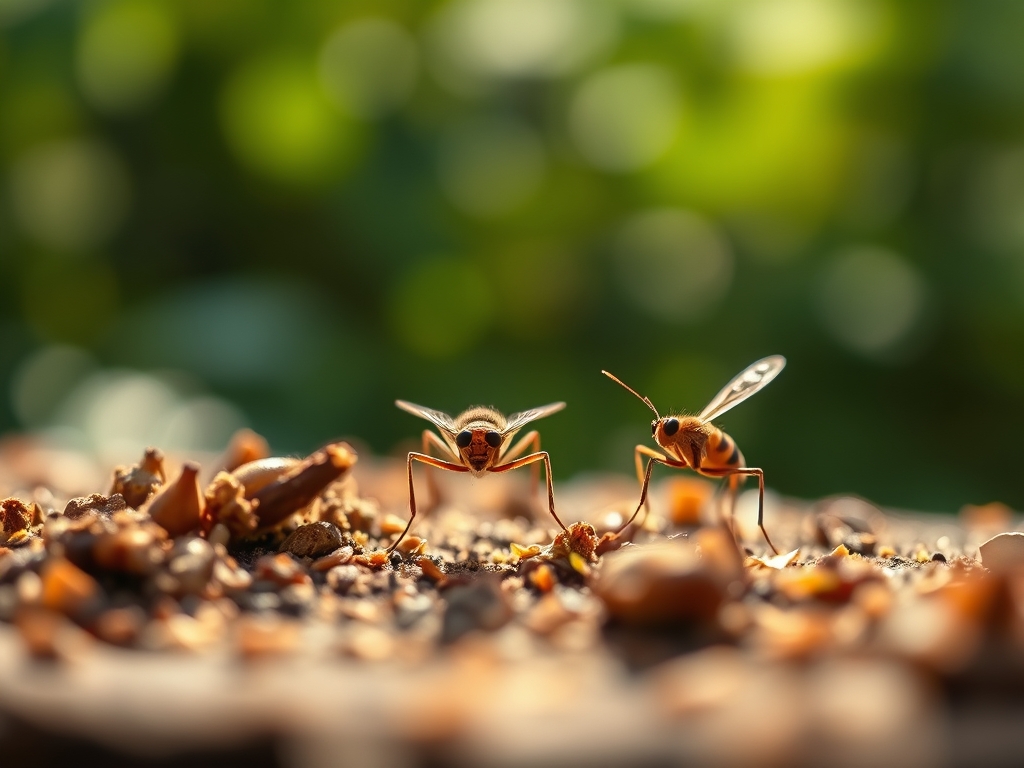
Damp peat moss emits a heavy, metallic scent when over-saturated; this is the smell of anaerobic decomposition and the primary signal for an impending infestation of Bradysia species. When the soil surface remains wet for more than 48 hours, the turgor pressure in plant stems begins to fluctuate as root hairs struggle for oxygen. This stagnant environment attracts adult flies that deposit eggs in the top inch of the rhizosphere. Implementing professional steps for treating fungus gnats with vinegar traps requires an immediate shift in moisture management and chemical lures. These traps exploit the olfactory receptors of the adult gnat, drawing them away from the moist substrate where they typically congregate to mate. Effective control depends on interrupting the reproductive cycle before the larvae begin consuming the delicate root hairs of the host plant. A successful intervention combines physical traps with a strict reduction in irrigation frequency. By monitoring the density of captured adults, a grower can quantify the severity of the infestation and adjust the cultural controls accordingly to restore the balance of the growing medium.
Materials:
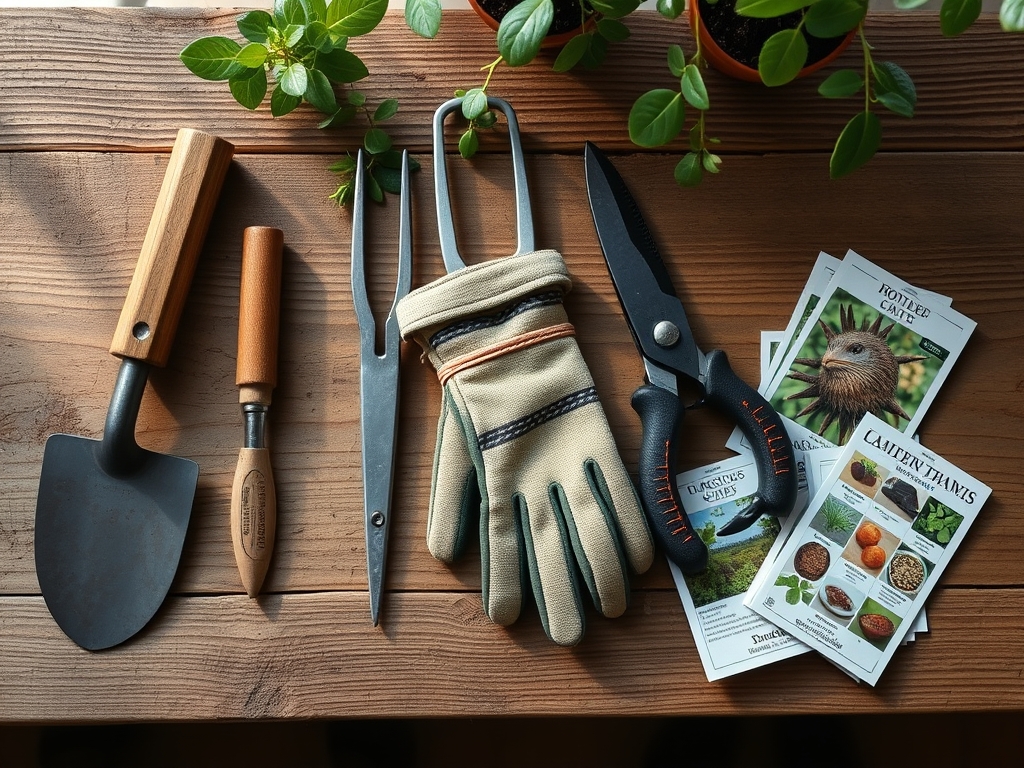
The efficacy of a trap system is secondary to the quality of the substrate. For container gardening, utilize a **friable loam** with a **pH between 6.0 and 6.5**. This acidity level ensures optimal nutrient availability while discouraging the rapid growth of certain fungal pathogens that gnats feed upon. When mixing your own medium, aim for an **NPK ratio of 5-10-5** for establishing young plants; higher phosphorus levels support root development, which is critical if gnat larvae have already caused damage. The physical texture should consist of **40 percent peat or coco coir, 30 percent perlite, and 30 percent composted bark**. This ratio maintains a high **Cation Exchange Capacity (CEC)**, allowing the soil to retain essential ions like potassium (K+) and magnesium (Mg2+) while facilitating rapid drainage. You will also need **apple cider vinegar (5 percent acidity)**, liquid dish soap as a surfactant, and shallow vessels such as ramekins or recycled plastic lids.
Timing:
Gnat activity peaks when indoor temperatures stabilize between 65 and 75 degrees Fahrenheit. In Hardiness Zones 5 through 8, this typically coincides with the transition from the vegetative stage to the reproductive stage in late spring or when bringing outdoor containers inside for the winter. The biological clock of the fungus gnat is rapid; eggs hatch in four to six days, and the larval stage lasts approximately two weeks. Therefore, traps must be deployed at the first sign of a single adult fly. In a greenhouse setting, the frost-date window is less relevant than the photoperiod. As daylight extends beyond 12 hours, plant metabolic rates increase, often leading to over-watering by the grower. This is the critical window for trap placement.
Phases:

Sowing and Setup
The first phase involves creating the lure. Fill a shallow container with two inches of apple cider vinegar. Add three drops of liquid soap to break the surface tension. Without the surfactant, the gnats will simply land on the surface and fly away. The soap ensures that once the insect touches the liquid, it is pulled beneath the surface and drowned.
Pro-Tip: Fungus gnats are attracted to the fermentation byproducts of the vinegar, which mimic the gases released by decaying organic matter in the soil. This is known as chemotaxis, where an organism moves in response to a chemical stimulus.
Transplanting the Strategy
Place the traps directly on the soil surface of affected pots. If the plant is in a large container, use multiple traps spaced six inches apart. For seedlings in 4-inch pots, one trap per tray is sufficient. Ensure the trap is level to prevent the solution from leaching into the soil, as the acetic acid in vinegar can lower the soil pH too drastically and burn the root apical meristem.
Pro-Tip: Position traps near the base of the plant to capitalize on thigmotropism; though gnats fly, they often crawl across the substrate and container edges before taking flight.
Establishing Control
Monitor the traps every 24 hours. If the liquid evaporates or becomes crowded with insects, refresh the solution. Continue this process for a minimum of 21 days. This duration covers the entire life cycle of the gnat, ensuring that newly hatched adults are captured before they can lay the next generation of eggs.
Pro-Tip: Combine traps with a top-dressing of 0.5 inches of coarse sand. This creates a physical barrier that prevents adults from reaching the moist soil to lay eggs, a process called mechanical exclusion.
The Clinic:
Physiological disorders often mimic gnat damage. Observe the root structure and foliage carefully to differentiate between pest issues and nutrient deficiencies.
- Symptom: Yellowing of lower leaves (Chlorosis).
- Solution: This often indicates Nitrogen deficiency. If the roots show brown scarring, gnat larvae are the cause. If roots are white and healthy, increase NPK to a 10-5-5 liquid fertilizer.
- Symptom: Wilting despite moist soil.
- Solution: This suggests Root Rot (Pythium) or severe larval feeding. Reduce watering to once every 7 to 10 days and use a soil moisture meter to ensure the top two inches are dry.
- Symptom: Stunted growth and leaf curl.
- Solution: Check for Calcium deficiency caused by erratic watering. Maintain a consistent moisture level of 1.5 inches of water per week once the gnat population is suppressed.
Maintenance:
Precision is the hallmark of a master horticulturist. Use a soil moisture meter daily to check the tension at the root zone. Do not water until the meter reads in the "dry" zone for the top 30 percent of the container. When pruning dead or decaying matter, use sharp bypass pruners to make clean cuts; ragged edges release more volatiles that attract pests. Use a hori-hori knife to gently aerate the top inch of soil once a week. This increases oxygen diffusion to the rhizosphere and speeds the drying process, making the environment inhospitable for larvae.
The Yield:
For those growing herbs or edible greens, harvesting should occur in the early morning when turgor pressure is at its peak. Use a sharp blade to prevent crushing the vascular tissue. Post-harvest, rinse the produce in cool water (55 degrees Fahrenheit) to remove any stray adults or debris. Place the stems in a clean vessel of water or a sealed container in refrigeration to maintain "day-one" freshness and prevent senescence (cellular aging).
FAQ:
Why is apple cider vinegar used for gnat traps?
Apple cider vinegar contains acetic acid and fermentation esters that mimic decaying organic matter. These chemical signals trigger the gnat's foraging and oviposition instincts, drawing them into the trap where surfactants ensure they cannot escape.
How often should I change the vinegar solution?
Refresh the trap every three to five days. As the acetic acid evaporates, the concentration of the lure diminishes. Additionally, a surface crowded with dead insects provides a platform for others to land on without touching the liquid.
Will vinegar traps kill the gnat larvae in the soil?
No. Vinegar traps only target the winged adult stage. To eliminate larvae, you must allow the soil to dry completely or use a biological control like Bacillus thuringiensis israelensis to disrupt the larval digestive system.
Can I use white vinegar instead of apple cider vinegar?
White vinegar lacks the fruity esters and fermentation scent of apple cider vinegar. While it is acidic, it is significantly less effective as a lure. If using white vinegar, add a teaspoon of sugar to provide a fermentation scent.