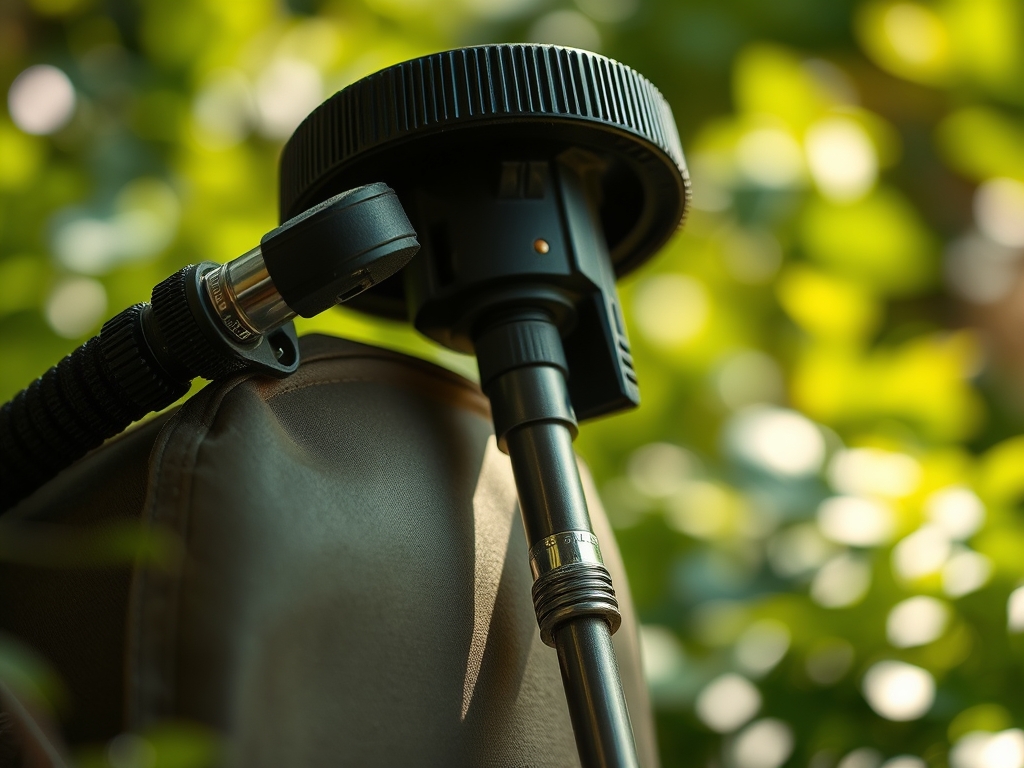
8 Steps to Prepare a Backpack Sprayer for Storage
Proper storage of a backpack sprayer prevents corrosion, seal degradation, and pump failure that can cost hundreds in replacement parts. Learning how to prepare a backpack sprayer for storage extends equipment lifespan by three to five years and ensures spray accuracy when the next growing season begins. The residue of pesticides, herbicides, or fertilizer solutions crystallizes inside tanks and lines, blocking nozzles and contaminating future applications.
Materials
Gather cleaning agents matched to your last spray solution's pH profile. For alkaline herbicides (pH 7.5-9.0), use a citric acid rinse at 2 tablespoons per gallon. Acidic fungicides (pH 3.5-5.5) require a baking soda neutralizer at 1 tablespoon per gallon. Select a lubricant rated for Viton or EPDM seals depending on your sprayer's O-ring material. Silicone-based sprays preserve Viton, while petroleum-based products suit EPDM.

Acquire RV antifreeze (propylene glycol) if storing in unheated spaces below 32°F. Avoid automotive ethylene glycol antifreeze, which corrodes brass fittings and aluminum wands. Keep nylon brushes (not wire) for tank interiors and Teflon tape for thread maintenance. A bucket rated for 5 gallons and clean water are essential. For organic sprayers used with fish emulsion or kelp extracts (2-3-1 NPK), enzymatic cleaners break down protein residues that soap cannot dissolve.
Timing
Prepare backpack sprayers for storage immediately after the final autumn application, typically between first frost and hard freeze. In USDA Hardiness Zones 3-5, this window falls between late September and mid-October. Zones 6-8 extend the active season into November, while Zones 9-11 may only require storage during brief winter dormancy periods in December and January.
Complete the preparation process before temperatures drop below 40°F consistently. Cold temperatures thicken residual spray solutions and make flushing less effective. Mycorrhizal inoculant sprayers used in late-season transplanting require cleaning within 24 hours, as beneficial fungi spores can clog fine-mesh filters when dried.
Phases
Begin with a triple-rinse protocol. Fill the tank to 25 percent capacity with clean water heated to 80-90°F. Seal and shake vigorously for 60 seconds, activating the pump to circulate water through all hoses and the wand. Spray the entire volume through the nozzle into an appropriate disposal area. Repeat this cycle three times.

Pro-Tip: For sprayers that applied auxin-based herbicides (2,4-D or dicamba), add activated charcoal at 1 cup per gallon during the second rinse. Auxin distribution residues persist and will damage broadleaf crops in subsequent applications.
The second phase addresses chemical neutralization. Mix your pH-appropriate cleaning solution and fill the tank to 50 percent. Allow the solution to sit for 15 minutes with occasional agitation. Pump the cleaner through all components, holding the wand at a 45-degree angle to ensure air pockets clear from the lance. Drain completely and inspect the tank interior with a flashlight for residue deposits.
Pro-Tip: Examine the cation exchange capacity of your spray solution's active ingredients. Glyphosate binds strongly to metal ions and requires an ammonia-based cleaner (1 tablespoon household ammonia per gallon) for complete removal.
The final phase prepares seals and moving parts. Remove all nozzles, filters, and gaskets. Soak these components in warm soapy water for 20 minutes, then rinse and air-dry on a clean towel. Apply lubricant to the pump piston, pressure relief valve, and tank lid gasket. Store the sprayer with the tank lid loose to allow air circulation and prevent seal compression. If freezing is possible, add 1 quart of RV antifreeze, pump it through the system, and leave it in the lines.
Pro-Tip: Hang the sprayer by its straps in a vertical position. Horizontal storage pools residual moisture in the tank bottom, accelerating corrosion at weld points where cation exchange capacity is highest due to metal salt accumulation.
Troubleshooting
Symptom: White crystalline deposits on tank walls.
Solution: These are mineral salts from hard water or fertilizer solutions (like 20-20-20 NPK). Dissolve with a 10 percent vinegar solution, let sit for 30 minutes, then scrub with a nylon brush.
Symptom: Pressure loss during next season's first use.
Solution: Inspect the pump cup leather or diaphragm. Drying without lubrication causes cracking. Replace the pump cup and establish a pre-storage lubrication routine.
Symptom: Nozzle produces irregular spray pattern.
Solution: Residual surfactants or emulsifiers have clogged the orifice. Soak nozzles in isopropyl alcohol for 10 minutes, then flush with compressed air at 30 PSI.
Symptom: Rubber hoses feel stiff or cracked.
Solution: Petroleum-based sprays degrade rubber formulations. Replace hoses with chemical-resistant models rated for your specific applications (Viton for aggressive solvents).
Maintenance
Inspect pressure gauges monthly during storage. If the needle does not return to zero, the Bourdon tube has crystallized deposits. Replace gauges showing drift greater than 2 PSI. Store the sprayer in spaces with relative humidity below 60 percent to prevent mold growth inside the tank. Temperature swings cause condensation, so maintain consistent conditions between 45-65°F.
Apply food-grade silicone grease to pump components every three months of storage. This prevents seal desiccation and maintains piston flexibility. Check Teflon tape on threaded connections biannually and rewrap if deterioration appears.
FAQ
How long can a backpack sprayer remain in storage?
Properly prepared sprayers last 6-8 months without degradation. Beyond this period, re-lubricate seals and flush with fresh water before use.
Can I store a sprayer with spray solution inside?
Never. Solutions separate, pH shifts, and active ingredients degrade. Crystallization clogs all internal passages within 30 days.
What damages seals most during storage?
Compression from tight lids and desiccation from dry air. Store lids loose and maintain 50 percent relative humidity minimum.
Should I remove the pump for storage?
Only if the manufacturer recommends it. Most modern pumps benefit from staying installed with proper lubrication applied.
How do I store a sprayer used for organic foliar feeds?
Organic solutions (fish emulsion 5-1-1 NPK or kelp extracts) leave protein films. Use enzymatic cleaners specifically, as standard detergents leave residues that affect beneficial microbial applications.