8 Simple Ways How to Grow Spaghetti Squash
The scent of damp, mineral-rich earth signals the beginning of the cucurbit season. Beneath the soil surface, a germinating seed exerts immense turgor pressure to break its coat and push through the crust. Success in learning how to grow spaghetti squash depends on managing this biological momentum. This crop requires high solar radiation and precise thermal windows to convert atmospheric carbon into the dense, fibrous carbohydrates that define its unique interior texture.
Materials:

Cultivation begins with a friable loam substrate characterized by a high Cation Exchange Capacity (CEC). This allows the soil to hold onto essential nutrients rather than letting them leach during heavy irrigation. You must maintain a soil pH between 6.0 and 6.8 to ensure maximum nutrient bioavailability.
Prepare the site with a balanced 10-10-10 NPK starter fertilizer to support initial leaf development. As the plant transitions to its reproductive phase, shift to a low-nitrogen, high-potassium formula such as 5-10-15 to prioritize fruit set over excessive vine elongation. The physical texture of the soil should be loose enough to allow deep taproot penetration, reaching depths of up to 12 inches within the first month of growth.
Timing:
Spaghetti squash (Cucurbita pepo) is a warm-season annual that thrives in USDA Hardiness Zones 3 through 10. However, the biological clock of the plant is dictated by soil temperature rather than air temperature. Seeds will not germinate effectively if the soil is below 65 degrees Fahrenheit.
The transition from the vegetative stage to the reproductive stage typically occurs 45 to 55 days after emergence. During this window, the plant increases its demand for phosphorus. In northern climates with shorter growing seasons, you must calculate the frost-free window to ensure at least 90 to 110 days of consistent heat. If the photoperiod drops below 12 hours of light before the fruit reaches physiological maturity, the squash will fail to develop the hard rind necessary for long-term storage.
Phases:

Sowing
Direct sow seeds 1 inch deep in mounds spaced 3 to 4 feet apart. Each mound should contain three seeds to ensure a high germination rate. Once the first true leaves appear, thin to the strongest seedling.
Pro-Tip: Proper seed orientation reduces the energy required for the hypocotyl to reach the surface. Planting the seed with the pointed end facing down allows the radicle to establish immediate downward pull, utilizing geotropism to anchor the plant faster.
Transplanting
If you start seeds indoors, use biodegradable peat pots to avoid disturbing the sensitive rhizosphere. Move seedlings outdoors only after they have developed two sets of true leaves and the risk of frost has passed.
Pro-Tip: Use a mycorrhizal inoculant during transplanting. This creates a mycorrhizal symbiosis where fungal hyphae extend the root system's reach, increasing the uptake of immobile phosphorus and improving drought resistance.
Establishing
As the vines begin to run, they will develop secondary roots at the nodes. Maintain a clear radius of 24 inches around the main stem to prevent competition for nitrogen.
Pro-Tip: Avoid overhead watering during this phase to prevent the disruption of auxin suppression. Auxins are hormones that regulate growth; keeping the foliage dry ensures the plant directs energy toward apical dominance and lateral branching rather than fighting fungal pathogens.
The Clinic:
Physiological disorders often mimic infectious diseases. Accurate diagnosis is required before intervention.
- Symptom: Interveinal chlorosis (yellowing between leaf veins) on older leaves.
Solution: This indicates Nitrogen deficiency. Apply a water-soluble nitrate fertilizer to the drip line to restore chlorophyll production. - Symptom: Blossom End Rot (dark, sunken spots on the base of the fruit).
Solution: This is caused by a Calcium transport issue, often triggered by inconsistent moisture. Stabilize the water schedule to ensure calcium moves through the xylem efficiently. - Symptom: Poor fruit set despite heavy flowering.
Solution: Lack of pollination. Ensure a high population of pollinators or perform manual pollination by transferring pollen from the staminate (male) flowers to the pistillate (female) flowers. - Symptom: Sudden wilting of the entire vine despite moist soil.
Solution: Check for Bacterial Wilt or physical damage to the main stem. If the vascular tissue is clogged, the plant cannot maintain turgor pressure.
Fix-It: For Magnesium deficiency, which appears as bronzing on leaf margins, apply Epsom salts (magnesium sulfate) at a rate of 1 tablespoon per gallon of water.
Maintenance:
Precision irrigation is the most critical factor in fruit development. Spaghetti squash requires 1.5 inches of water per week, delivered directly to the drip line. Use a soil moisture meter to verify that the moisture has reached a depth of 6 inches.
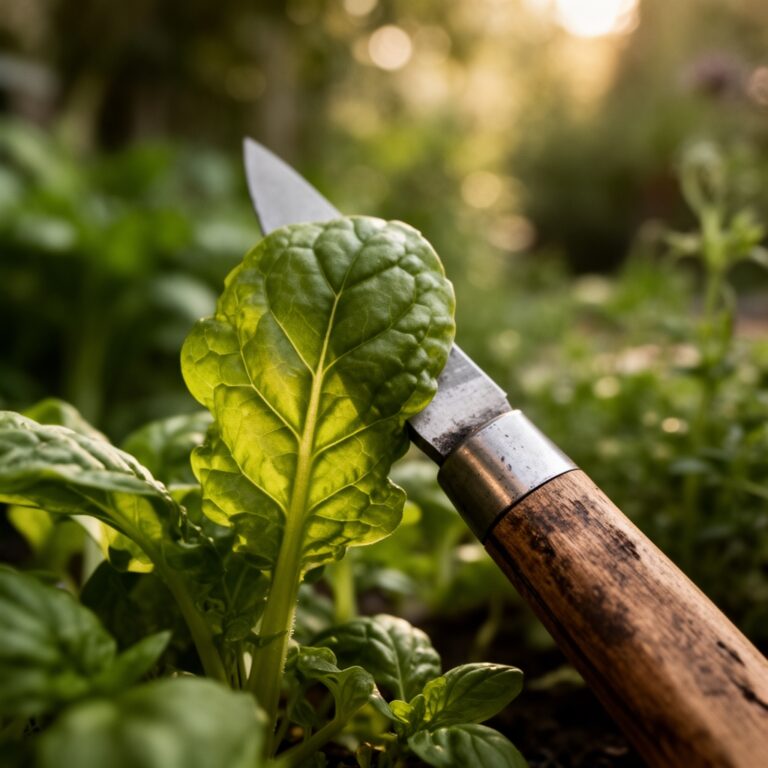
Weed management should be handled with a hori-hori knife to slice weeds below the soil surface without disturbing the shallow lateral roots of the squash. If the vines become unmanageable or exceed their allotted space, use bypass pruners to trim the ends. This redirection of energy can help the plant focus on ripening existing fruit rather than producing more foliage. Mulching with organic straw can help regulate soil temperature and prevent fruit-to-soil contact, which reduces the risk of ground rot.
The Yield:
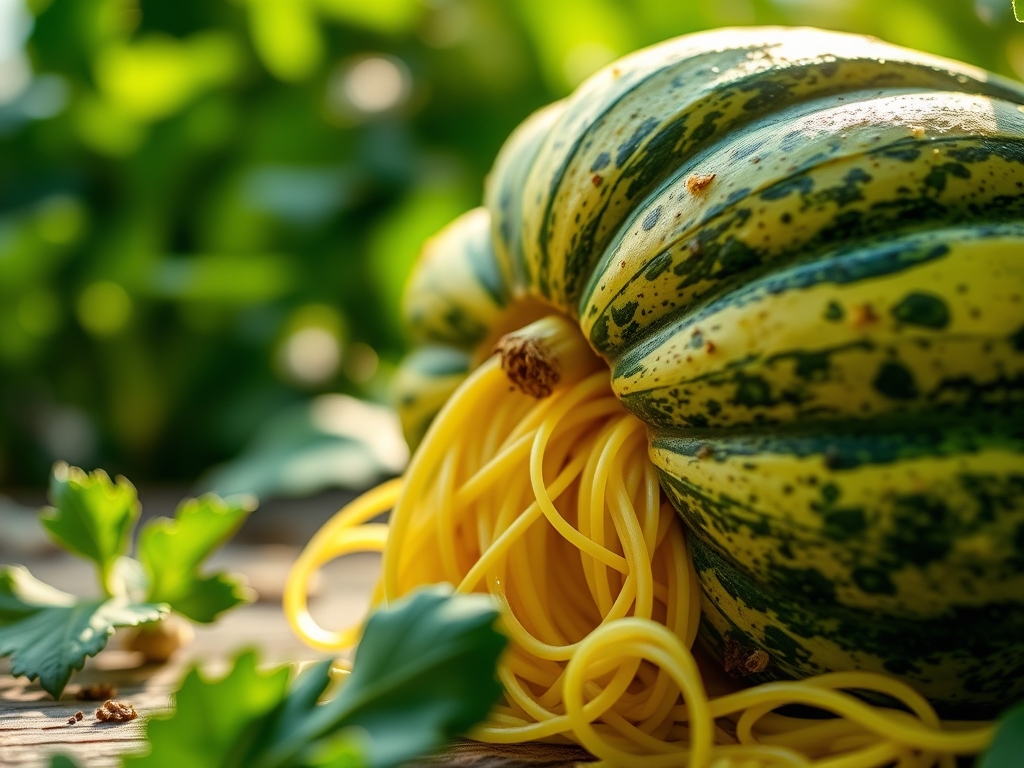
Harvest occurs when the rind is hard enough to resist a fingernail puncture and the color has shifted from pale green to a deep golden yellow. The vine will begin to show signs of senescence, turning brown and brittle near the fruit attachment point.
Use a sharp blade to cut the squash from the vine, leaving at least 2 inches of stem attached. This "handle" prevents pathogens from entering the fruit through the wound. After harvest, cure the squash in a dry, well-ventilated area at 70 to 80 degrees Fahrenheit for ten days. This process hardens the skin further and concentrates the sugars inside. For long-term storage, move the fruit to a cool location (50 to 55 degrees Fahrenheit) with low humidity to maintain day-one freshness for up to five months.
FAQ:
How much sun does spaghetti squash need?
Spaghetti squash requires a minimum of 8 to 10 hours of full solar radiation daily. Insufficient light leads to leggy vines, poor fruit set, and a lack of carbohydrate accumulation, resulting in watery, flavorless squash.
Why are my squash leaves turning white?
White, powdery spots indicate a fungal infection often caused by high humidity and poor airflow. Improve spacing and use a sulfur-based fungicide or a diluted milk spray to alter the leaf surface pH and inhibit fungal growth.
Can I grow spaghetti squash in a container?
Yes, provided the container holds at least 10 to 15 gallons of substrate. You must provide a sturdy trellis for vertical growth to support the weight of the fruit and ensure adequate air circulation around the foliage.
How do I know if the squash is ripe?
The rind must be a consistent golden hue and hard to the touch. If your fingernail leaves a mark, the squash is immature. The stem should also appear dry and corky rather than green and succulent.
What is the best fertilizer for spaghetti squash?
Start with a 10-10-10 NPK ratio during the vegetative stage. Once flowers appear, switch to a 5-10-15 or 4-18-38 formula. High potassium levels are essential for developing the structural integrity of the fruit and improving shelf life.