8 Critical Steps for Mulching a Vegetable Garden with Straw
The smell of fresh straw hitting warm, crumbly soil triggers something primal in any serious gardener. That sweet, earthy scent means you're about to lock in moisture, suppress weeds, and feed the soil food web all at once. Understanding the proper steps for mulching a vegetable garden with straw separates mediocre yields from harvests that actually fill your freezer and canning shelves through winter.
Straw mulching isn't just tossing hay bales around your tomatoes. It's a calculated practice that regulates soil temperature, prevents erosion, and builds humus over multiple seasons. When executed correctly, a 3-4 inch straw layer can reduce watering needs by 50% while feeding beneficial organisms that convert organic matter into plant-available nutrients.
Materials & Supplies
Mulching Materials:
- Wheat, oat, or barley straw (not hay, which contains seed heads)
- 2-3 bales per 100 square feet of garden bed
- Straw should be golden, dry, and free from herbicide residue
Soil Amendments (Pre-Mulch Application):
- Compost with NPK ratio of 1-1-1 or 2-2-2
- Blood meal (12-0-0) for nitrogen-hungry crops like brassicas
- Bone meal (3-15-0) for root vegetables
- Maintain soil pH between 6.0-7.0 for most vegetables
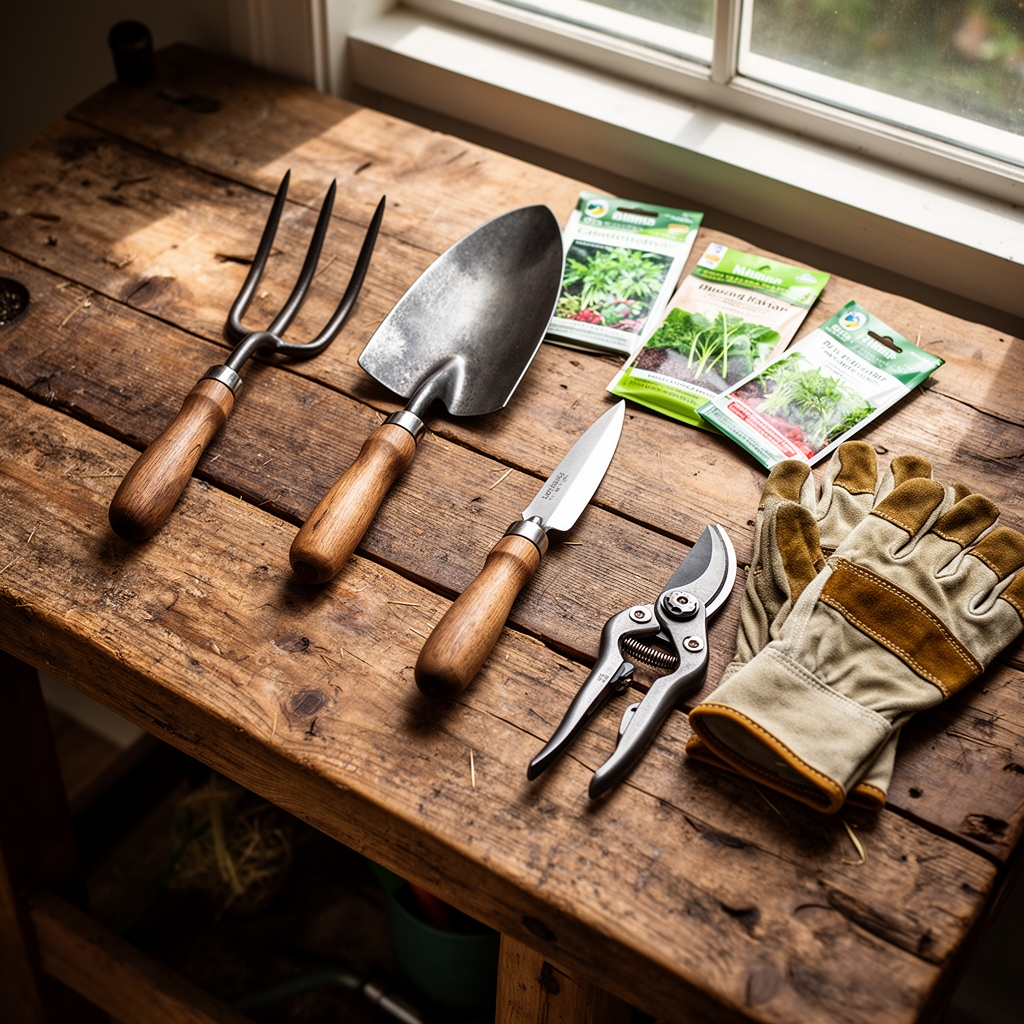
Tools:
- Soil thermometer (critical for timing)
- Garden fork for fluffing compacted straw
- Wheelbarrow or garden cart
- Moisture meter (optional but useful)
Timing & Growing Schedule
Soil temperature dictates when to apply straw mulch. Wait until soil reaches 65°F at 2-inch depth. Premature mulching keeps soil cold, delaying germination and root establishment.
Hardiness Zone Guidelines:
- Zones 3-5: Late May to early June
- Zones 6-7: Mid to late April
- Zones 8-10: March or after fall planting
Days to Maturity Considerations:
Apply mulch 2-3 weeks after transplanting warm-season crops (tomatoes, peppers, squash). For cool-season vegetables (lettuce, spinach, peas), mulch only after plants reach 4-6 inches tall. Direct-seeded crops need bare soil until seedlings emerge and develop their first true leaves.
Seasonal Windows:
Spring mulching protects from late frosts while conserving moisture during dry spells. Fall mulching (applied after first frost) insulates root crops like carrots and parsnips, extending harvest into December in Zones 6-7.
Step-by-Step Instructions
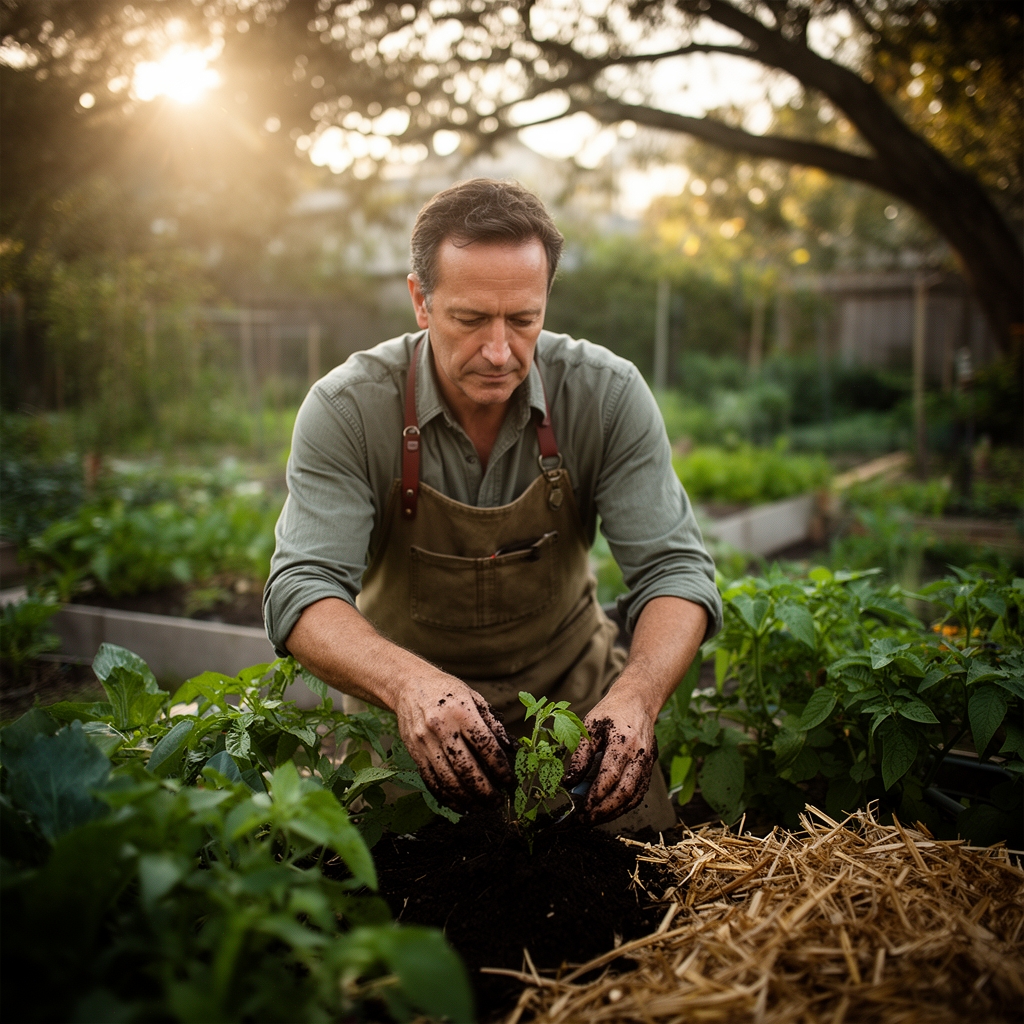
Step 1: Prepare the Soil Surface
Remove existing weeds completely, roots and all. Water the bed thoroughly 24 hours before mulching. Soil should be moist but not saturated.
Pro-Tip: Apply a 1/4-inch layer of compost directly on soil before straw. This "biological activator" seeds the mulch with decomposers that begin breaking down the carbon-rich straw immediately.
Step 2: Check Soil Temperature
Insert your soil thermometer 2 inches deep in multiple locations. All readings must exceed 65°F. Cold soil under straw creates anaerobic conditions that harbor damping-off pathogens.
Pro-Tip: Dark-colored mulches warm soil faster. If you're running late in the season, lay down black landscape fabric for 7-10 days, then remove and apply straw.
Step 3: Fluff the Straw
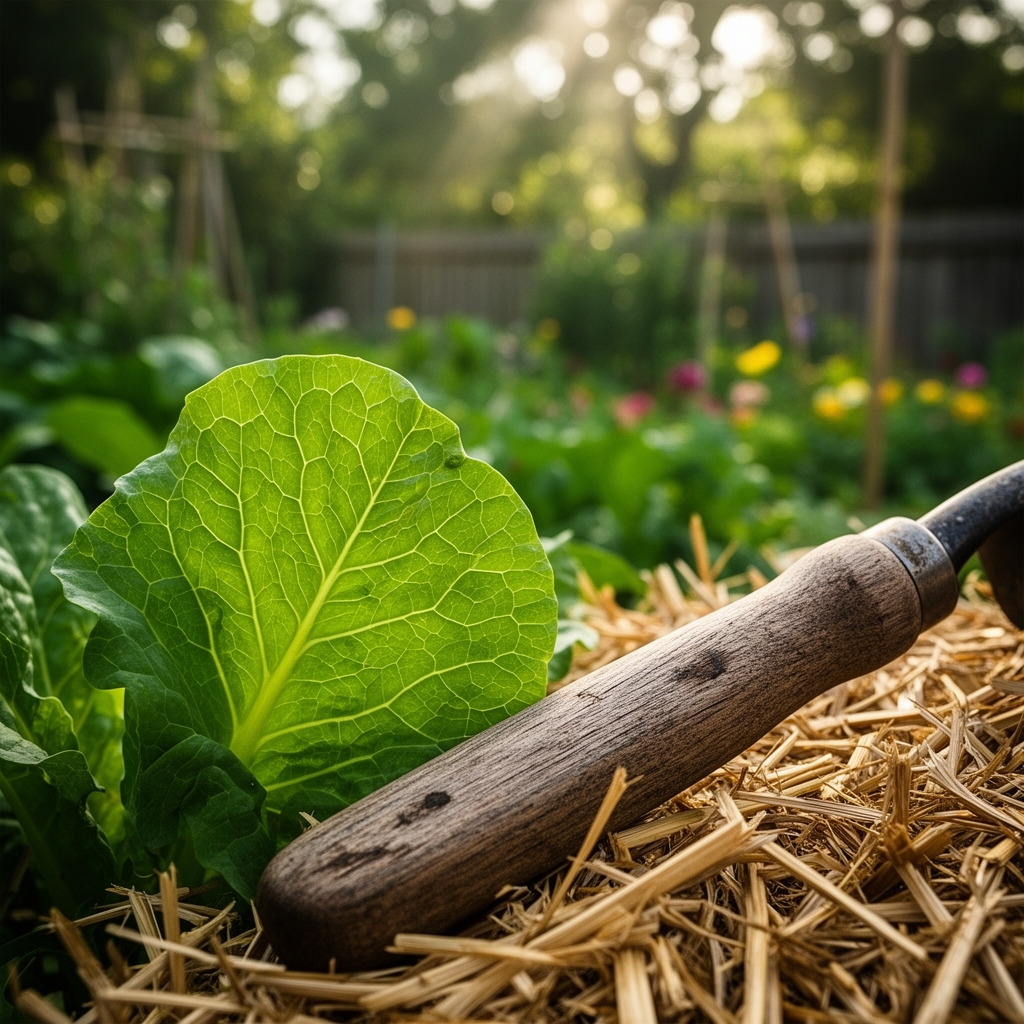
Break apart compressed bales with a garden fork. Straw should be loose and airy, not matted. Compacted layers shed water instead of absorbing it.
Pro-Tip: Shake each handful while spreading to remove weed seeds and dust. Quality straw contains minimal debris, but this extra step prevents issues.
Step 4: Create a Weed-Free Zone
Pull straw back 2-3 inches from plant stems. Direct contact invites slug damage and fungal diseases, especially on tomatoes, peppers, and cucurbits.
Pro-Tip: This gap also allows you to side-dress with granular fertilizers mid-season without disturbing the mulch layer.
Step 5: Apply in Layers
Spread straw 3-4 inches deep between rows and around plants. Use 4-6 inches for paths. Thinner applications allow weed penetration; thicker layers may create slug habitats.
Pro-Tip: Apply in two passes. Lay down 2 inches, water lightly, then add the remaining 1-2 inches. This prevents wind displacement and helps straw settle.
Step 6: Water Thoroughly
Soak the straw layer until water penetrates to soil. Dry straw repels moisture and can actually wick water away from roots during the first week.
Pro-Tip: Add a soluble kelp fertilizer (0-0-1 with trace minerals) to this initial watering. It accelerates microbial colonization of the straw.
Step 7: Monitor and Refresh
Check mulch depth weekly. Straw compresses as it decomposes. Add 1-2 inches every 4-6 weeks to maintain the 3-4 inch target depth.
Pro-Tip: As straw breaks down, it ties up nitrogen. Side-dress with blood meal (12-0-0) at 1/2 cup per 10 feet of row every 6 weeks during active growth.
Step 8: Integrate at Season's End
After final harvest, chop residual straw with a spade and turn it into the top 4 inches of soil. This builds soil organic matter and feeds mycorrhizal fungi networks.
Pro-Tip: If your straw contained seeds that germinated, turn beds in late fall and cover with cardboard through winter. Freezing kills young grass plants, preventing spring issues.
Nutritional & Environmental Benefits
Straw mulch acts as a slow-release carbon source that feeds beneficial bacteria and earthworms. As these organisms process straw, they excrete humic acids that chelate minerals, making calcium, magnesium, and trace elements more available to plant roots.
Key Mineral Contributions:
- Increased potassium availability (critical for fruiting vegetables)
- Enhanced phosphorus uptake through fungal partnerships
- Better calcium distribution, reducing blossom end rot in tomatoes
Ecosystem Services:
Straw provides habitat for ground beetles that consume cutworms and slug eggs. The mulch layer maintains consistent humidity that attracts mason bees and other native pollinators. Surface-dwelling spiders use straw as hunting grounds, controlling aphid populations naturally.
The thermal mass of straw moderates soil temperature swings by 10-15°F, protecting root systems during heat waves. This temperature stability preserves nitrogen-fixing bacteria populations in legume root nodules.
Advanced Methods
Small Space Gardening:
Use straw in raised beds and containers. A 2-inch layer suffices in confined spaces. Mix 25% finished compost with straw for faster decomposition in high-turnover gardens.
Organic & Permaculture Systems:
Source certified organic straw to avoid persistent herbicide contamination (aminopyralid and clopyralid persist through composting). Stack straw bales as temporary raised beds, planting directly into them as they decompose.
Season Extension:
Apply 6-8 inch straw layers over cold-hardy vegetables (kale, collards, leeks) after first frost. This insulation method extends harvest 4-6 weeks in Zones 5-7. Pull back mulch on sunny winter days to allow soil warming.
Hugelkultur Integration:
Layer straw between logs and branches in hugelkultur mounds. The straw accelerates wood decomposition while maintaining air pockets that prevent anaerobic conditions.
Troubleshooting
Symptom: Yellowing leaves on established plants after mulching
Solution: Nitrogen deficiency from straw decomposition. Apply blood meal at 1 cup per 20 feet of row. Water in thoroughly.
Symptom: Slimy trails and holes in low-growing leaves
Solution: Slug explosion. Pull straw back 4-6 inches from plants. Set beer traps or apply iron phosphate bait along mulch edges.
Symptom: Fungal growth (white threads) on straw surface
Solution: Beneficial saprophytic fungi breaking down cellulose. No action needed. This indicates healthy decomposition.
Symptom: Straw sprouting grass shoots
Solution: You bought hay instead of straw. Pull shoots immediately or apply corn gluten meal (9-0-0) as pre-emergent herbicide.
Symptom: Water pools on top of mulch, not soaking through
Solution: Straw layer too thick or too compacted. Rake straw aside, cultivate soil surface lightly, then reapply at 3 inches maximum.
Storage & Maintenance
Watering Schedule:
Provide 1 inch of water per week through mulch. Use soaker hoses under straw for 80% water efficiency. Check soil moisture at 4-inch depth twice weekly. Mulched beds need less frequent but deeper watering than bare soil.
Feeding Protocol:
Apply liquid fish emulsion (5-1-1) every 3 weeks during fruiting stage. Side-dress with compost every 6 weeks. Add balanced organic fertilizer (4-4-4) at half-strength monthly to compensate for nitrogen tie-up.
Post-Harvest Storage:
Store unused straw bales off ground on pallets in a covered area. Properly stored straw lasts 2-3 years. Avoid plastic tarps that trap moisture and promote mold. Use old greenhouse film or cattle panels with tarp overlay.
Winter Maintenance:
Leave decomposed straw in place through winter. It continues feeding soil organisms during dormancy. Turn under in early spring 3-4 weeks before planting, allowing time for nitrogen release.
Conclusion
Mastering these eight steps for mulching a vegetable garden with straw transforms your growing system from extractive to regenerative. You'll spend less time watering and weeding while building soil structure that improves every season. The investment of three hours and $30 in straw returns hundreds of pounds of produce grown in living, biologically active soil.
Share your straw mulching results and specific regional adaptations in local gardening forums or with your county extension office. Experienced growers refining techniques together build resilient food systems one garden at a time.
Expert FAQs
What's the difference between straw and hay for garden mulch?
Straw is hollow stems from grain crops after seed removal. Hay contains entire grass plants with viable seeds that germinate in your garden. Always choose straw to avoid introducing weeds.
Can I use straw mulch in a no-till garden?
Absolutely. Straw is ideal for no-till systems. Apply directly over undisturbed soil, adding layers annually. The gradual decomposition feeds soil life without mechanical incorporation.
How do I test straw for herbicide contamination?
Fill a pot with quality potting soil and plant fast-germinating beans. Mulch half the pot with suspect straw. If mulched beans show twisted growth, leaf cupping, or death within 10 days, the straw is contaminated.
Will straw mulch attract rodents to my garden?
Properly applied straw (3-4 inches) doesn't provide adequate nesting material for mice or voles. Problems arise with 8+ inch depths or straw piled against structures. Maintain recommended depths and clear perimeters.
Can I mulch newly planted seeds with straw?
No. Seeds need direct soil contact and warmth for germination. Wait until seedlings develop 2-3 true leaves and reach 4 inches tall. For large-seeded crops like beans, mulch immediately after emergence.