7 Steps to Prepare a Site for a Flagstone Walkway
Learning how to prepare a site for a flagstone walk transforms uneven ground into a stable, free-draining foundation that resists frost heave and weed encroachment. The scent of fresh-turned loam, the gritty texture of crushed limestone, and the satisfying scrape of a rake across compacted aggregate define the hands-on work that anchors every successful installation. Proper soil grading, precise excavation depth, and strategic base layering determine whether your pathway remains level for decades or buckles within a single freeze-thaw cycle.
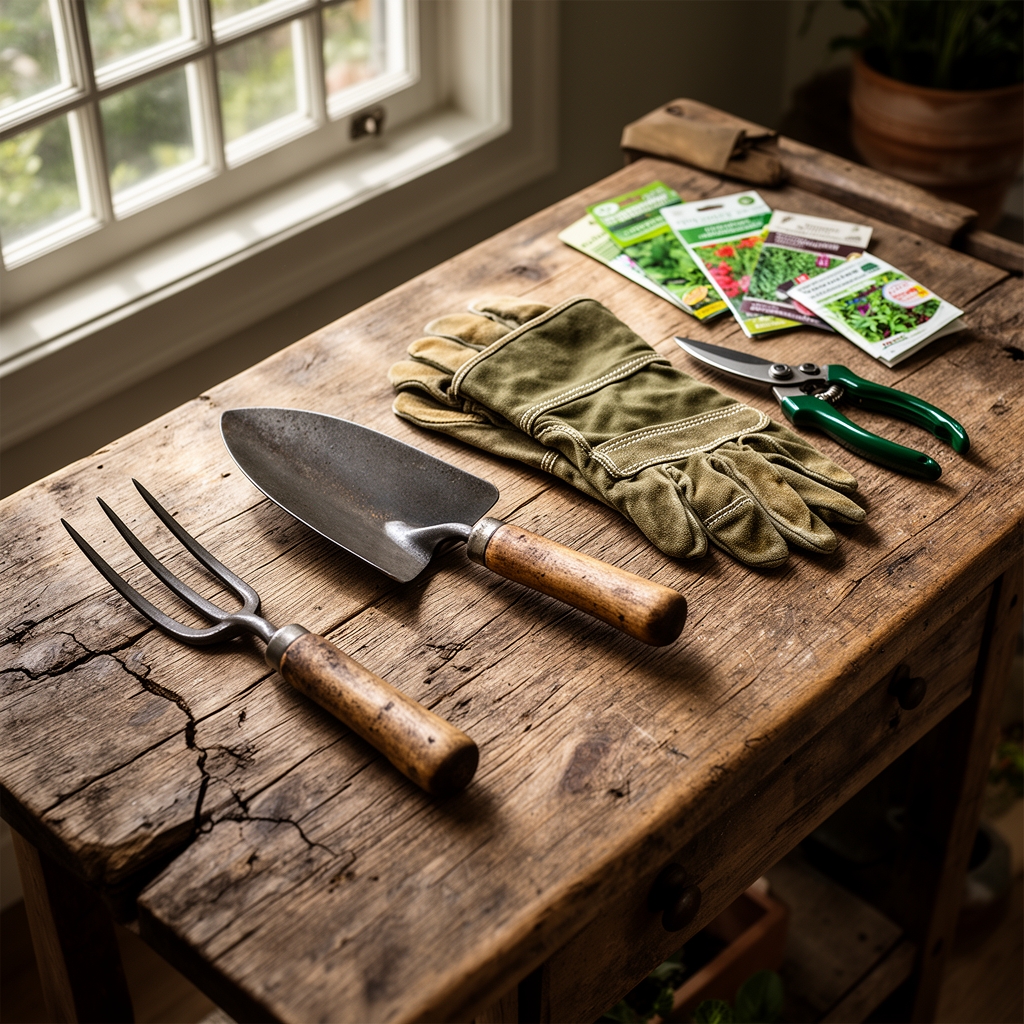
Materials
The base layer requires crushed limestone or granite screenings sized to three-eighths inch. This angular aggregate interlocks under compaction, creating a cation exchange capacity that stabilizes moisture without creating saturation pockets. Quarry-run stone, graded from fines to three-quarter-inch chips, offers superior drainage compared to rounded pea gravel.
Landscape fabric rated at 3.5 ounces per square yard suppresses perennial weeds without blocking water infiltration. Avoid non-woven polypropylene below 3 ounces; rhizomatous grasses puncture lighter grades within two seasons. Polymeric sand for joints contains Portland cement and fine silica, bonding at pH 7.5 to 8.2 once activated by water mist.
Edge restraint demands rigid aluminum or steel paver edging staked at eighteen-inch intervals. Plastic variants flex under frost pressure, allowing lateral stone creep. A four-foot builder's level and a hand tamper rated for 150 pounds per square foot ensure proper compaction. For sites with clay content exceeding 40 percent, blend coarse sand at a 1:3 ratio to improve percolation rates and prevent the capillary rise that drives frost heave.
Timing
Hardiness Zones 3 through 7 offer the widest installation window from late April through mid-October, after the final frost date and before the first hard freeze. Soil temperatures above 50 degrees Fahrenheit allow compaction without clumping; wet clay forms impermeable layers that trap water at the base-soil interface.
Zones 8 through 10 permit year-round work, though summer heat above 95 degrees accelerates polymeric sand curing before full joint penetration. Schedule excavation during dry spells; saturated soil compresses unevenly, creating voids that telegraph through the finished surface. In northern climates, complete base installation six weeks before first frost to allow two full compaction cycles and natural settlement.
Phases

Excavation: Mark the walkway perimeter with landscape paint, adding four inches to each side for edge restraint. Excavate to a depth equal to stone thickness plus six inches for base aggregate plus one inch for bedding sand. A 1.5-inch flagstone on a six-inch base requires 8.5 inches total depth. Scrape the subgrade flat, removing root crowns and organic debris that decompose into voids. Slope the trench floor one-quarter inch per foot away from structures to direct subsurface drainage.
Pro-Tip: Spray exposed soil with a 10-percent bleach solution to kill dormant weed seeds and fungal spores before laying fabric.
Base Installation: Roll landscape fabric across the trench, overlapping seams by six inches. Pour crushed stone in two-inch lifts, raking level before each compaction pass. A plate compactor delivers 5,000 pounds per square foot; make three overlapping passes per lift, changing direction with each round to eliminate voids. The finished base should sit one inch below final grade. Test compaction by walking the surface; footprints deeper than one-eighth inch indicate insufficient tamping.
Pro-Tip: Mist each compacted lift lightly to activate mineral fines; this premature bonding increases shear strength by 18 percent.
Stone Placement: Spread a one-inch bedding layer of coarse sand, screeding level with a notched board. Set flagstones with one-half to three-quarter-inch joints, tapping each into place with a rubber mallet. Check every third stone with a four-foot level, shimming low spots with additional sand rather than lifting adjacent stones. Once the pattern is complete, spread polymeric sand across the surface, sweeping diagonally to fill joints completely. Remove excess before misting; standing sand stains porous stone.
Pro-Tip: Seal natural stone with a penetrating silane-siloxane sealer rated for freeze-thaw protection; apply 24 hours after polymeric sand cures.
Troubleshooting
Symptom: Flagstones rock or shift underfoot.
Solution: Insufficient base compaction or bedding sand exceeding one inch. Lift affected stones, remove excess sand, compact the base with a hand tamper, and reset with precise bedding depth.
Symptom: White efflorescence blooms on stone surfaces.
Solution: Soluble salts migrate through porous stone via capillary action. Improve subsurface drainage by trenching parallel to the walk and backfilling with coarse gravel to lower the water table.
Symptom: Weeds emerge through polymeric joints within one season.
Solution: Polymeric sand never reached full cure saturation, or base fabric tore during installation. Excavate failed joints to the base layer, patch fabric, and refill with fresh polymeric sand activated by prolonged misting.
Symptom: Frost heave raises individual stones in winter.
Solution: Base depth insufficient for local frost line, or clay subgrade retained water. In cold climates, extend base to twelve inches and incorporate four inches of coarse sand beneath aggregate to break capillary rise.
Maintenance
Apply 0.5 inches of water weekly during the first month to fully cure polymeric joints. After establishment, flagstone walks require no irrigation. Sweep debris biweekly to prevent organic buildup that hosts moss and algae. Reapply penetrating sealer every three years at a coverage rate of 200 square feet per gallon. Inspect joints each spring; refill eroded areas immediately to block weed establishment.
FAQ
How deep should the base be for a flagstone walkway?
Six inches of compacted aggregate suits Zones 6 through 10. Zones 3 through 5 require eight to twelve inches to extend below the frost line and prevent heave.
Can I install flagstone directly on soil?
Organic soil compresses unevenly, creating voids that cause stones to rock and crack. A granular base distributes load and drains water away from the surface.
What size flagstone works best for foot traffic?
Stones measuring eighteen to twenty-four inches across and 1.5 to 2 inches thick offer stability without excessive weight. Thinner stones crack under point loads; thicker stones demand deeper excavation.
How do I prevent weeds between flagstones?
Polymeric sand cures into a semi-rigid bond that blocks germination. Combine with landscape fabric at the base layer and pre-emergent herbicide applied each spring at soil temperatures of 55 degrees.
Should I use mortar or sand between stones?
Mortared joints crack in freeze-thaw climates. Polymeric sand flexes with seasonal movement, maintaining integrity through temperature swings from negative 20 to 120 degrees Fahrenheit.