7 Steps to Prepare a Productive Windowsill Herb Garden
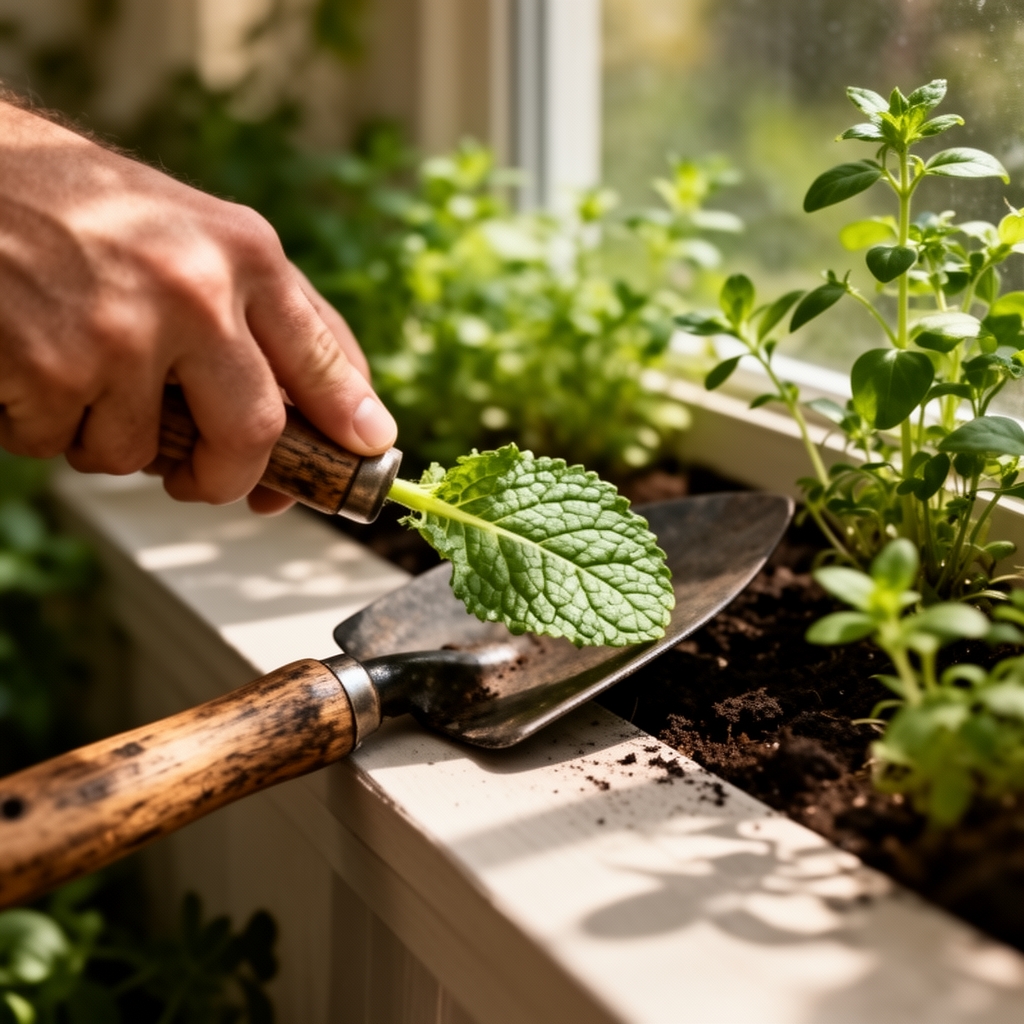
Preparing a window sill for an herb garden transforms an underutilized architectural feature into a year-round production system. The southern exposure of most residential windows delivers 4–6 hours of direct sunlight during winter months, sufficient for establishing basil, thyme, oregano, and parsley. Proper substrate composition, container geometry, and microclimate management separate ornamental displays from culinary-grade harvests. The window sill itself requires structural assessment, waterproofing, and thermal buffering before the first seed enters soil.
Materials
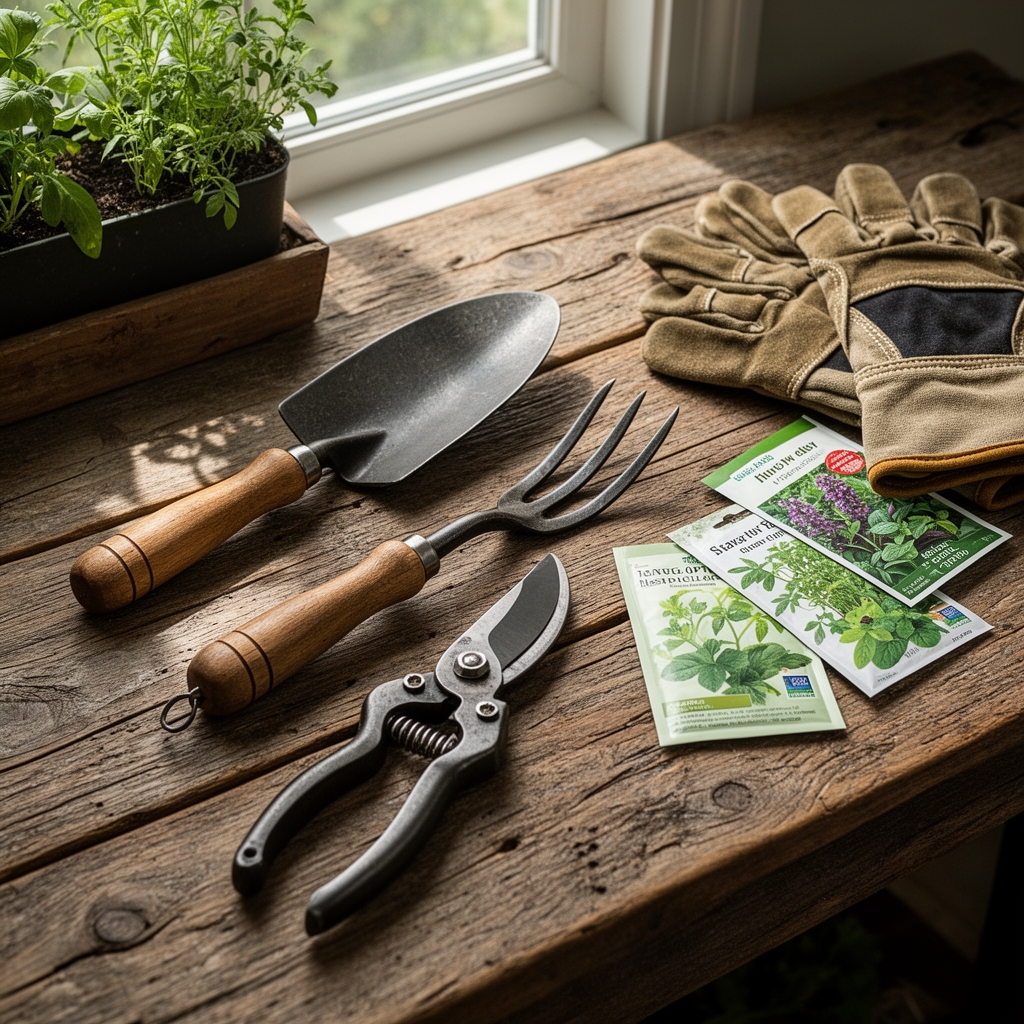
Select containers with minimum 6-inch depth and drainage holes spaced every 3 inches along the base. Terracotta maintains substrate pH between 6.2–6.8 through calcium carbonate leaching, ideal for Mediterranean herbs. Glazed ceramic or food-grade plastic prevents this buffering effect, necessary when targeting acid-loving species like sorrel.
The substrate blend determines cation exchange capacity and water retention. Combine 40% peat moss or coconut coir (pH 5.5–6.5), 30% perlite (particle size 3–5 mm), 20% vermicompost, and 10% coarse sand. Incorporate 2 tablespoons of 4-4-4 organic fertilizer per gallon of mix. This NPK ratio supports vegetative growth without excess nitrogen that reduces essential oil concentration. Add 1 teaspoon of dolomitic lime per gallon if using peat to raise pH above 6.0.
Mycorrhizal fungi inoculant applied at 1 gram per 4-inch pot increases phosphorus uptake by 300% in established herbs. Select endomycorrhizal strains (Glomus species) rather than ectomycorrhizal types suited for woody plants.
Install a waterproof tray with 1-inch raised edges beneath all containers. Silicone sealant applied to window sill seams prevents moisture infiltration into wall cavities. A humidity meter placed at plant canopy height monitors vapor pressure deficit, which should remain between 0.4–0.8 kPa for optimal transpiration.
Timing
Hardiness zones govern outdoor planting schedules but window sill environments maintain USDA Zone 9–10 equivalents when indoor heating operates. Begin sowing 8–10 weeks before the last expected frost date to establish transplants for outdoor migration. For year-round indoor cultivation, initiate seeding during the autumn equinox when day length decreases trigger compact growth habits in photoperiod-sensitive species.
Basil requires soil temperatures above 70°F for germination. Thyme, oregano, and sage germinate at 60–65°F. Parsley demands 50–55°F and benefits from 24-hour cold water soaking before sowing to leach germination inhibitors from the seed coat.
Window sill temperatures fluctuate 15–20°F between day and night when positioned above radiators or heating vents. Use a min-max thermometer to map these cycles. Relocate containers 6 inches away from glass during sub-freezing outdoor temperatures to prevent root zone chilling below 50°F.
Phases
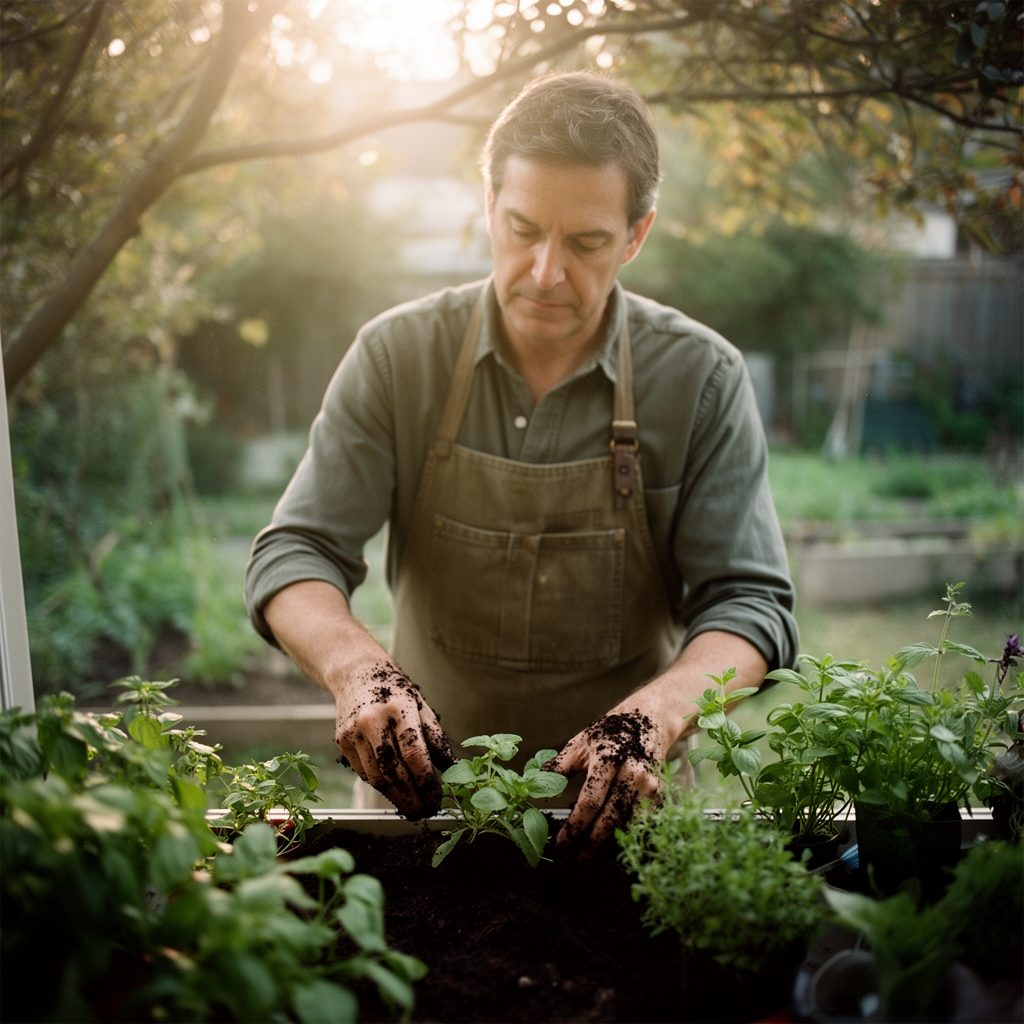
Sowing Phase (Weeks 0–3)
Fill containers to 0.5 inches below rim. Firm substrate with flat pressure to eliminate air pockets that disrupt capillary water movement. Sow basil seeds 0.25 inches deep, spacing 2 inches apart. Thyme and oregano require light for germination; press seeds onto surface without covering. Parsley sowing depth reaches 0.5 inches.
Mist substrate surface until water appears in drainage tray. Cover containers with clear plastic wrap, removing daily for 5 minutes to exchange air and prevent damping-off fungi (Pythium species). Germination occurs in 5–14 days depending on species and temperature.
Pro-Tip: Apply Trichoderma harzianum biological fungicide at label rates during sowing. This competitive fungus colonizes root surfaces and prevents pathogenic infection during the vulnerable germination window.
Transplanting Phase (Weeks 3–5)
True leaves emerge after cotyledons fully expand. Thin seedlings to strongest specimen per 4-inch spacing using scissors rather than pulling to avoid root disturbance in remaining plants. Transplant when root systems fill the original container, visible as white root tips emerging from drainage holes.
Water transplants with diluted kelp extract (0-0-1 NPK) at 1 tablespoon per gallon to stimulate auxin distribution and reduce transplant shock. Maintain substrate moisture at 60–70% field capacity, measured by lifting container weight or using a moisture meter inserted to mid-root depth.
Pro-Tip: Prune apical meristems at 45-degree angles when plants reach 6 inches tall. This cut angle maximizes surface area for callus formation and triggers lateral branching through cytokinin release from root systems.
Establishing Phase (Weeks 5–8)
Root systems colonize final containers and vegetative growth accelerates. Apply liquid fertilizer at 5-5-5 NPK ratio every 14 days, reducing to 3-3-3 for mature plants to prevent excessive foliage at the expense of essential oil production. Rotate containers 90 degrees weekly to ensure even light distribution and prevent phototropic leaning.
Pro-Tip: Install aluminum foil reflectors on the non-window side of containers to increase photosynthetically active radiation by 25–30%. Position reflectors at 60-degree angles from horizontal for optimal light redirection.
Troubleshooting
Symptom: Yellowing lower leaves with green veins (interveinal chlorosis).
Solution: Iron deficiency induced by substrate pH above 7.0. Apply chelated iron at 1 teaspoon per gallon or reduce pH with sulfur at 1 tablespoon per 5 gallons of substrate.
Symptom: White powdery coating on leaf surfaces.
Solution: Powdery mildew (Erysiphe cichoracearum) from humidity above 70% and poor air circulation. Remove affected leaves and spray remaining foliage with 1 tablespoon baking soda plus 0.5 teaspoon insecticidal soap per quart of water. Increase spacing between containers to 3 inches minimum.
Symptom: Sudden wilting despite moist substrate.
Solution: Root rot from Phytophthora or Pythium species. Remove plant and inspect roots for brown, mushy tissue. Discard infected substrate and sanitize container with 10% bleach solution. Improve drainage by increasing perlite ratio to 40% in replacement mix.
Symptom: Tiny green insects clustered on new growth.
Solution: Aphids (Myzus persicae). Spray with insecticidal soap at label rates or introduce parasitic wasps (Aphidius colemani) at 2 wasps per infested plant.
Symptom: Stretched stems with pale, widely spaced leaves (etiolation).
Solution: Insufficient light intensity below 2000 foot-candles. Supplement with full-spectrum LED grow lights positioned 6 inches above canopy, operating 14 hours daily.
Maintenance
Water when the top 1 inch of substrate feels dry to touch, typically every 3–4 days. Apply water until 10% of volume drains from bottom holes to flush accumulated salts. Empty drainage trays within 30 minutes to prevent reabsorption.
Prune harvests to 4 inches above substrate level to maintain productive crown structure. Remove flower buds immediately upon formation to redirect energy into leaf production. Basil flower removal increases harvest period by 6–8 weeks.
Leach containers monthly with water volume equal to 2x container capacity to reduce fertilizer salt accumulation that inhibits root function. Monitor electrical conductivity of drainage water; readings above 2.0 mS/cm indicate excess salts requiring additional leaching.
Repot annually when root systems fill containers entirely. Increase pot diameter by 2 inches and refresh substrate completely to restore cation exchange capacity depleted by continuous cropping.
FAQ
How much light do window sill herbs need?
Mediterranean herbs require 4–6 hours of direct sunlight or 12–14 hours under 2000–3000 foot-candle grow lights. South-facing windows provide adequate natural light from March through October in northern latitudes.
Can I use garden soil in containers?
Garden soil compacts in containers, reducing oxygen availability to roots by 40–60%. Use soilless potting mix formulated for container drainage and aeration properties.
Why does my basil taste bitter?
Stress from under-watering or temperatures below 60°F triggers bitter compound production. Maintain consistent moisture and temperatures between 65–75°F.
How often should I fertilize established herbs?
Apply balanced liquid fertilizer at half-strength every 14 days during active growth. Reduce frequency to monthly during winter when growth slows by 50–70%.
When should I replace window sill herbs?
Woody perennials like rosemary and thyme remain productive for 3–5 years with annual repotting. Annual herbs like basil and cilantro require replacement every 4–6 months as they complete reproductive cycles and decline.