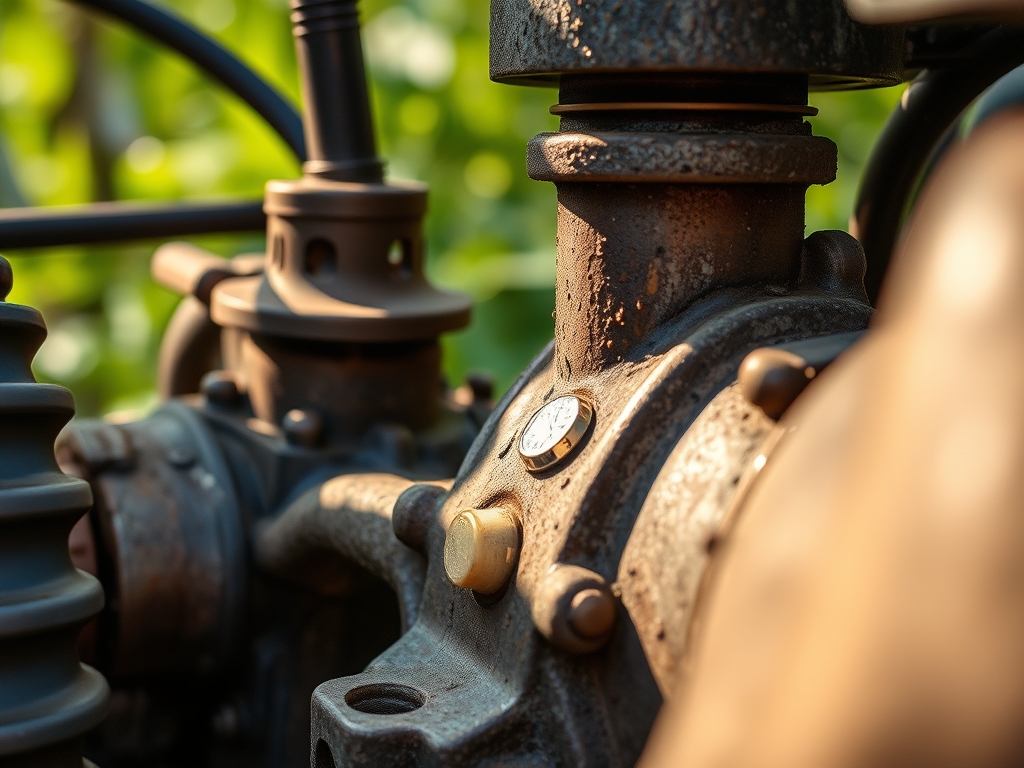
6 Steps to Degrease a Garden Tractor Engine
The smell of burnt oil and grime-caked metal marks every garden tractor after a season of heavy use. Steps for degreasing a garden tractor engine become necessary when carbon deposits and hydrocarbon films block cooling fins and trap heat against critical gaskets. The engine bay fills with packed grass clippings bound by petroleum residue, creating an insulating layer that accelerates thermal wear.
Materials
Engine degreasers fall into distinct pH categories, each suited to different contamination types. Alkaline cleaners (pH 12-13) excel at saponifying triglycerides and breaking down organic oils. Citrus-based products deliver d-limonene concentrations between 5-20%, functioning through solvent action rather than pH manipulation. Sodium hydroxide formulations (often labeled "heavy-duty") measure 2-4% active ingredient and require dilution ratios of 1:10 for cast iron blocks.

Assemble nylon bristle brushes (0.014-inch diameter filaments), not wire variants that score aluminum. Microfiber towels with 200,000 fibers per square inch provide adequate capillary action for residue removal. A garden sprayer rated for petroleum products allows controlled application. Personal protection requires nitrile gloves (8-mil thickness minimum) and splash-rated safety glasses meeting ANSI Z87.1 standards.
Timing
Ambient temperature governs degreaser efficacy. Perform this task when air temperatures reach 65-85°F, corresponding to USDA Hardiness Zones 6-9 during May through September. Cooler conditions slow chemical reaction rates, while excessive heat (above 90°F) causes premature evaporation before surfactants complete their work.
Schedule degreasing after the engine cools completely, requiring 45-60 minutes post-operation. Metal surface temperature must drop below 120°F to prevent flash evaporation of cleaning agents. Morning sessions in Zones 7-8 offer optimal humidity levels (40-60%) that prevent rapid drying.
Phases

Preparation Phase: Remove the engine cover and disconnect the negative battery terminal to eliminate electrical short risks. Cover the alternator, starter motor, and air intake with 6-mil polyethylene sheeting secured with duct tape. Inspect for fuel leaks or compromised hoses before proceeding. Clear loose debris with compressed air at 90 PSI, directing flow away from bearings.
Pro-Tip: Apply dielectric grease to all electrical connections before covering them. This creates a moisture barrier that prevents corrosion during the cleaning process.
Application Phase: Spray degreaser from bottom to top, working against gravity to maximize dwell time on vertical surfaces. Maintain a 6-8 inch distance from the nozzle to the target. Concentrate on valve covers, cylinder head fins, and the crankcase belly where oil migration accumulates. Allow 10-15 minutes of contact time for alkaline formulas, 5-8 minutes for citrus types.
Pro-Tip: Use a paintbrush to work degreaser into cooling fin gaps. Fin spacing typically measures 0.125-0.25 inches, too narrow for spray penetration alone.
Agitation Phase: Scrub using circular motions with moderate pressure (approximately 2-3 pounds per square inch hand force). Address the cylinder head first, then progress to side covers and the oil pan. Nylon bristles bend at 45-degree angles to reach behind engine mounts and governor linkages. Reapply degreaser to areas where grime remains embedded after initial scrubbing.
Rinse Phase: Use a garden hose with adjustable nozzle set to medium pressure (40-50 PSI). Higher pressures force water past gaskets into the crankcase. Rinse from top to bottom, flushing dissolved contaminants toward the ground. Direct water flow parallel to electrical components rather than straight at them. Continue rinsing until runoff turns clear, typically requiring 3-5 gallons of water.
Pro-Tip: Add 2 ounces of isopropyl alcohol (91% concentration) to a spray bottle of water for final rinsing. This displaces residual moisture and accelerates drying through increased evaporation rates.
Drying Phase: Use compressed air at 60 PSI to blow water from crevices, particularly around spark plug boots and carburetor linkages. Pat accessible surfaces with microfiber towels. Allow 30-45 minutes of air drying before removing protective coverings from electrical components.
Protection Phase: Apply a thin coat of silicone spray (dimethicone-based, not petroleum) to painted surfaces and rubber hoses. This creates a hydrophobic layer that repels future oil adhesion. Reconnect the battery terminal and verify no moisture remains in the ignition system before starting.
Troubleshooting
Symptom: White residue appears after drying.
Solution: This indicates hard water mineral deposits. Rinse again using distilled water or a 1:20 vinegar solution (5% acetic acid).
Symptom: Degreaser fails to remove baked-on carbon.
Solution: Apply a paste of baking soda and water (3:1 ratio) directly to deposits. Allow 20 minutes of contact before scrubbing. The mild abrasive action supplements chemical cleaning.
Symptom: Engine runs rough after cleaning.
Solution: Moisture infiltrated the ignition system. Remove spark plugs and spray cylinders with water-displacing lubricant. Crank engine 4-5 times with plugs removed to expel moisture.
Symptom: Degreaser discolors aluminum components.
Solution: Alkaline cleaners etch bare aluminum through oxidation. Neutralize immediately with a 1:10 solution of white vinegar. Switch to citrus-based products for future cleaning.
Maintenance
Perform this degreasing procedure every 50 operating hours or once per season, whichever arrives first. Between full cleanings, wipe the engine bay with microfiber cloths after each use to prevent buildup. Check for oil leaks monthly at the valve cover gasket, oil filter, and drain plug.
Apply engine enamel (high-temperature rated to 500°F) to bare metal areas where paint wore away during cleaning. Bare cast iron oxidizes within 72 hours of exposure. Maintain cooling fin cleanliness by blowing compressed air through them every 10 operating hours.
FAQ
How often should Steps for degreasing a garden tractor engine be performed?
Every 50 hours of operation or annually for seasonal users. Commercial operators should degrease monthly.
Can I use automotive engine degreaser?
Yes, if pH falls between 11-13 and the label confirms safety for aluminum. Avoid products containing methylene chloride.
Is pressure washing safe for garden tractor engines?
Pressures below 1500 PSI work adequately if you maintain 12-inch distance and avoid direct spray on electrical components and bearings.
Will degreasing harm paint?
Modern engine enamels resist alkaline cleaners. Test on a hidden area first. Limit dwell time to manufacturer recommendations, typically 15 minutes maximum.
What temperature should the engine be?
Below 120°F but above ambient. Slightly warm surfaces (100-110°F) improve degreaser performance without causing evaporation issues.