6 Best Reusable Plant Labels for Indoor Collections
The smell of damp peat and the distinct metallic tang of a rich mineral substrate define the indoor nursery environment. A healthy leaf maintains high turgor pressure; its cells are distended with water to provide structural rigidity against the pull of gravity. Within this controlled ecosystem, organization is a biological necessity rather than a preference. Losing track of a cultivar name or a specific hybrid lineage compromises the integrity of the data required for precise nutrient management. Identifying the best plant labels ensures that specific irrigation schedules and lighting requirements are met for every individual in a diverse collection. Without permanent, legible identification, the risk of applying the wrong fertilizer concentration or mistaking a dormant bulb for a dead specimen increases exponentially. Professional indoor gardeners require labeling systems that withstand high humidity, UV exposure from grow lights, and the constant friction of soil movement. Data integrity starts at the soil line, where a durable tag serves as the primary record for every physiological milestone in the plant life cycle.
Materials:
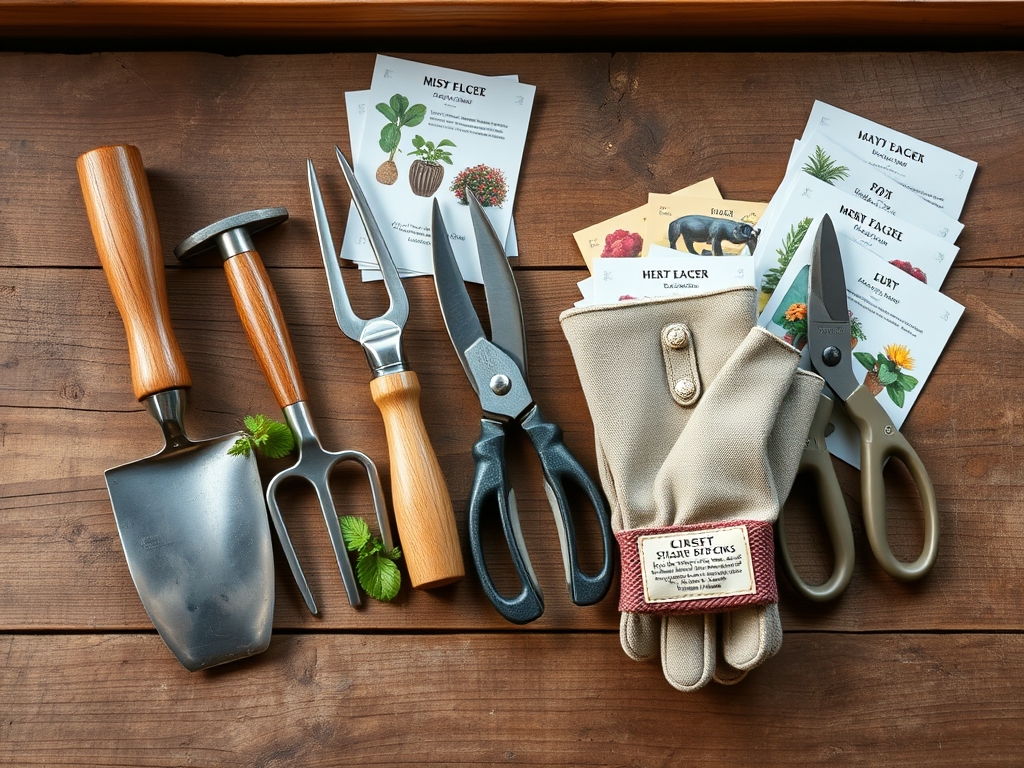
Indoor plant health depends on a substrate with high Cation Exchange Capacity (CEC). For most tropical indoor species, a friable loam or a peat-based mix with a **pH between 5.8 and 6.5** is optimal. This acidity level ensures that micronutrients like iron and manganese remain bioavailable. When selecting labeling materials, consider their interaction with the soil chemistry. Metal labels must be resistant to oxidation, while plastics must be BPA-free to prevent chemical leaching into the rhizosphere.
The nutrient profile of your substrate dictates the speed of vegetative growth. A standard 10-10-10 NPK ratio provides a balanced supply of nitrogen for leaf development, phosphorus for root expansion, and potassium for cellular function. In highly porous mixes like aroid substrate (bark, perlite, and charcoal), the best plant labels must be tall enough to remain visible above the coarse medium. The physical texture of the substrate should be crumbly; it must not clump when squeezed, allowing for oxygen diffusion to the root hairs.
Timing:
Indoor environments bypass traditional Hardiness Zones, yet plants still follow a biological clock dictated by the photoperiod. Even in a climate-controlled room, a decrease in ambient light during winter months can trigger senescence or dormancy. Most indoor species thrive when temperatures remain between 65 and 75 degrees Fahrenheit.
The transition from the vegetative stage to the reproductive stage is often signaled by a shift in the auxin-to-cytokinin ratio within the plant tissues. Labeling should reflect the date of the last repotting or the application of bloom-booster fertilizers. For those keeping collections in unheated sunrooms, the first frost date remains a critical data point. If temperatures drop below 50 degrees Fahrenheit, metabolic processes slow down, and the risk of root rot increases due to reduced transpiration rates.
Phases:
Sowing
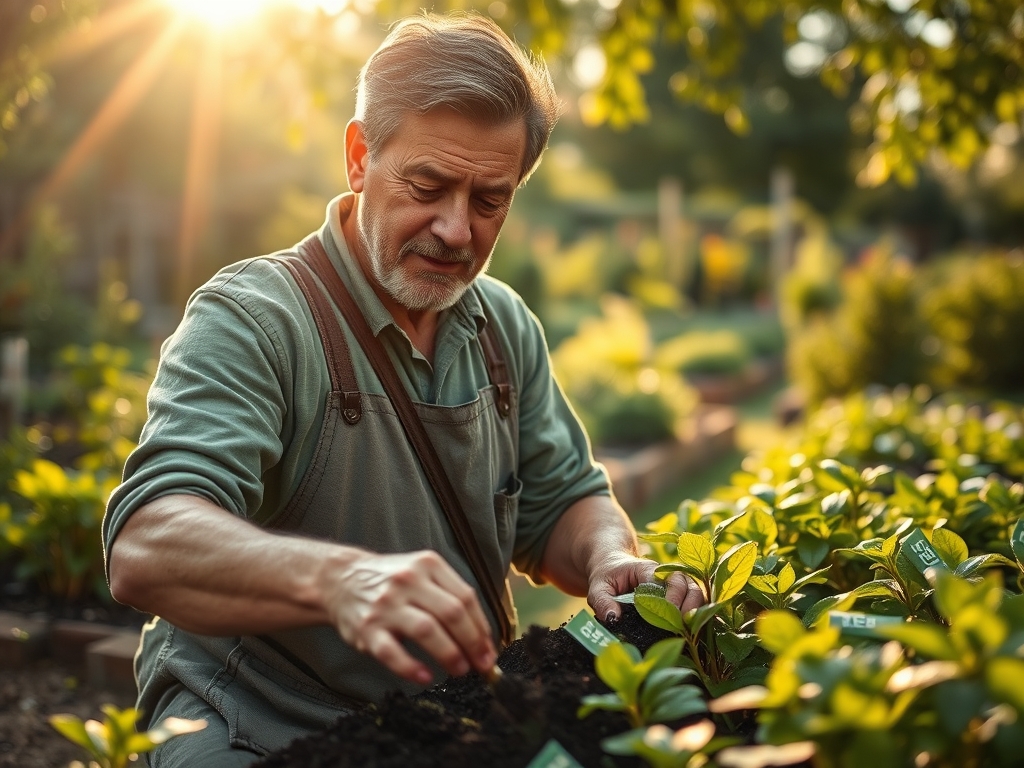
When starting seeds, use small 3-inch T-type plastic tags. These are the best plant labels for seedlings because they do not shade the emerging cotyledons. Maintain a consistent soil temperature of 70 degrees Fahrenheit using a heat mat to ensure uniform germination.
Pro-Tip: Proper labeling during sowing prevents the disruption of phototropism. By knowing exactly which species is in each cell, you can rotate trays to ensure even light distribution, preventing "leggy" growth caused by plants stretching toward a light source.
Transplanting
Move specimens when the root system has occupied 80 percent of the current container volume. Use a hori-hori knife to gently loosen the root ball. This is the stage to upgrade to larger, more permanent labels such as copper or slate markers that can transition into larger decorative pots.
Pro-Tip: Transplanting often causes temporary shock. Accurate labeling allows you to monitor the recovery of turgor pressure. This is essential because mycorrhizal symbiosis is often disrupted during a move; the plant needs specific care until the fungal network re-establishes in the new rhizosphere.
Establishing
A plant is considered established once it produces two nodes of new growth in its new medium. During this phase, switch to UV-resistant acrylic or etched metal labels. These are the best plant labels for long-term collections because they do not degrade under high-intensity LED grow lights.
Pro-Tip: Establishing plants require stable auxin levels. Frequent movement or changing the orientation of the label can cause the plant to expend energy reorienting its leaves toward the light, a process that can delay the development of a robust root system.
The Clinic:
Physiological disorders often mimic pest damage but are usually rooted in environmental or nutritional imbalances.
Symptom: Interveinal chlorosis on new growth.
Solution: This indicates an Iron deficiency. Check the soil pH; if it is above 7.0, iron becomes locked in the soil.
Fix-It: Apply chelated iron and use a sulfur-based acidifier to drop the pH to 6.0.
Symptom: Tip burn on older leaves.
Solution: This is often caused by salt accumulation from synthetic fertilizers or fluoride in tap water.
Fix-It: Flush the substrate with distilled water equal to three times the volume of the pot.
Symptom: Drooping leaves despite moist soil.
Solution: Root rot (Phytophthora) caused by anaerobic conditions.
Fix-It: Remove the plant, prune mushy brown roots with bypass pruners, and repot in a high-porosity mix with better drainage.
Maintenance:
Precision is the hallmark of a master horticulturist. Use a soil moisture meter to verify that the top 2 inches of soil are dry before adding water. Most indoor tropicals require approximately 1 cup of water per gallon of substrate every 7 to 10 days, though this varies by humidity.
Clean your labeling surfaces once a month. Dust accumulation on labels can harbor spider mites or fungal spores. Use a 70 percent isopropyl alcohol solution to wipe down metal or plastic tags. When pruning, always use sterilized bypass pruners to make clean cuts at a 45-degree angle just above a node. This encourages the plant to redirect energy to lateral buds rather than wasting resources on dying tissue.
The Yield:
For indoor herbs or fruiting plants like dwarf citrus, harvesting is a matter of timing. Harvest herbs just before the photoperiod begins for the day; this is when essential oil concentration is highest. Use sharp shears to avoid tearing the vascular bundles.
To maintain "day-one" freshness, immediately place harvested stems in cool water or a high-humidity crisper. For flowering indoor plants, remove spent blooms (deadheading) to prevent the plant from entering the seed-production phase, which consumes significant carbohydrates. This redirects energy back into the root system and future foliage.
FAQ:
What are the best plant labels for high-humidity grow tents?
Anodized aluminum or etched slate labels are superior. They resist corrosion and fungal growth in 80 percent plus humidity environments. Plastic tags can become brittle over time when exposed to constant moisture and intense UV light.
How do I prevent ink from fading on my labels?
Use an industrial-grade paint pen or a grease pencil. Standard permanent markers break down under the 400 to 700 nanometer light spectrum produced by grow lights. Engraving the name into copper or plastic provides a permanent, non-fade solution.
Can I reuse wooden plant labels?
Wooden labels are generally single-use. They absorb moisture and can harbor soil-borne pathogens like Pythium. For a sustainable, reusable option, choose stainless steel or heavy-duty acrylic that can be sterilized with alcohol between uses.
Why is labeling the date of repotting important?
It allows you to track the rate of nutrient depletion. Most potting mixes lose their structural integrity and nutrient-holding capacity after 12 to 18 months. Dating the label ensures you refresh the substrate before the plant experiences a growth plateau.