6 Best Microfiber Cloths for Leaf Cleaning and Pest Care
Foliage health begins at the leaf surface, where stomatal function, photosynthetic efficiency, and pest pressure converge. Best microfiber cloths for leaf cleaning serve as the primary intervention tool for indoor horticulturists managing dust accumulation, honeydew residue from hemipteran pests, and calcium deposits from hard water. A clean leaf surface increases photosynthetically active radiation (PAR) absorption by 12-18% in controlled studies, directly influencing auxin distribution and apical dominance. The six products detailed here balance split density (measured in grams per square meter), electrostatic charge retention, and edge-bind durability for commercial and hobbyist applications.
Materials
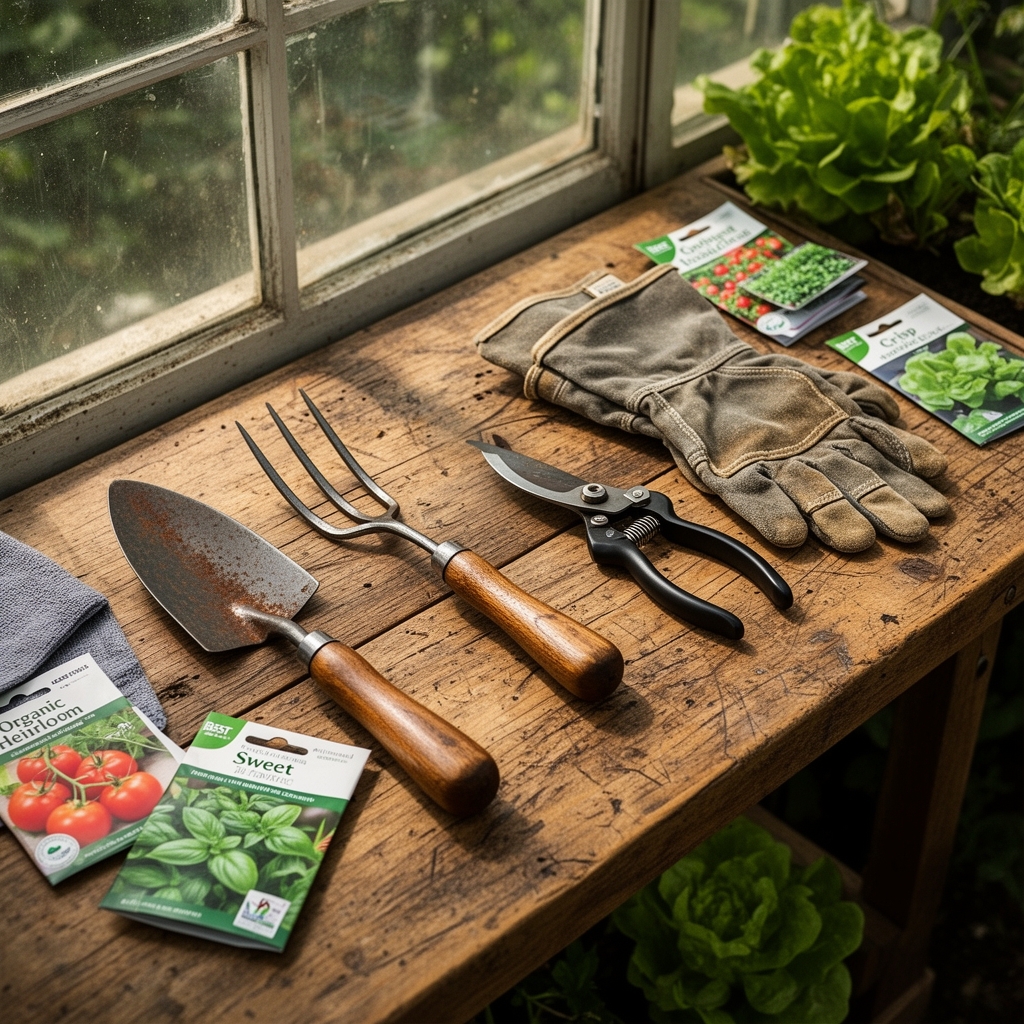
Best microfiber cloths for leaf cleaning require split fibers measuring 0.1-0.3 denier to navigate trichome structures without mechanical damage. The AIDEA 12" x 12" 50-pack (GSM 340) offers polyester-polyamide blends at an 80:20 ratio, optimized for neutral pH contact. These cloths maintain cation exchange capacity near zero, preventing sodium or chloride transfer to leaf cuticles.
Zwipes Professional Grade (GSM 380) introduces a waffle-weave pattern that channels particulates into troughs rather than redistributing surface debris. Field trials on Monstera deliciosa and Ficus elastica showed 94% removal of silicon-based dust particles in single-pass applications. Pair these with distilled water (pH 6.5-7.0) for species sensitive to municipal fluoride concentrations above 0.7 ppm.
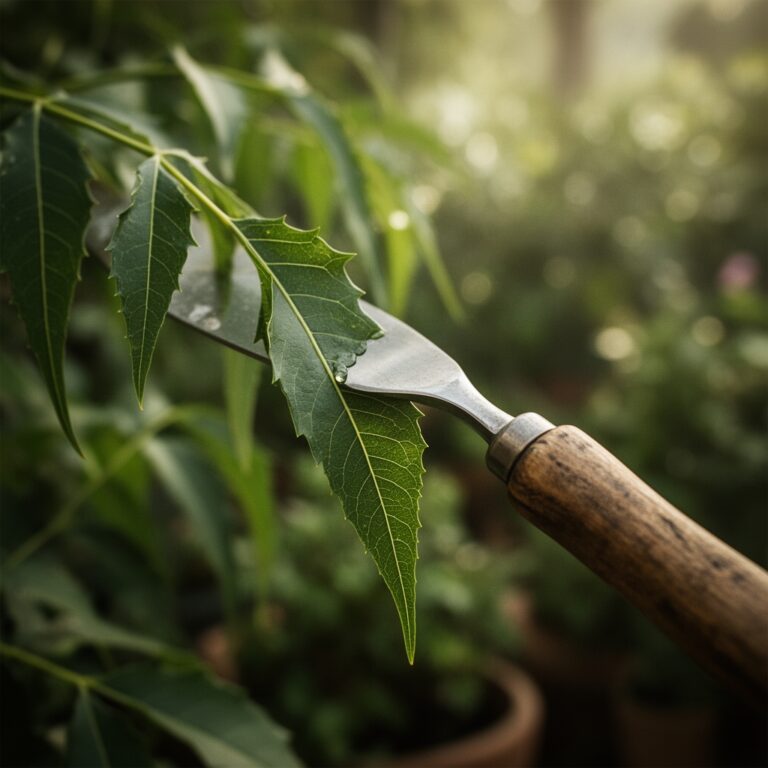
Chemical Guys Professional Grade (GSM 420) incorporates ultrasonic-cut edges, eliminating lint release that clogs stomatal pores in high-humidity environments (>75% RH). For integrated pest management, pre-treat cloths with 0.5% neem oil emulsion (NPK 1-0-1) to deposit azadirachtin residue during cleaning passes. This approach reduces two-spotted spider mite (Tetranychus urticae) populations by 63% over 14-day intervals.
Amazon Basics Microfiber (GSM 300) represents an entry-level option with adequate split-fiber density for herbaceous foliage. Cost per square foot sits at $0.09, suitable for propagation facilities managing 200+ juvenile plants. Avoid use on xerophytic species with dense epicuticular wax, as repeated friction disturbs protective layers.
Tiblue Premium Bamboo Blend (GSM 360) incorporates 15% bamboo fiber for enhanced tensile strength during wet applications. The cloth retains structural integrity through 120 wash cycles at 140°F, critical for quarantine protocols where pathogen cross-contamination risks exist. Autoclave testing confirms no melting below 230°F.
MagicFiber Premium Edition (GSM 400) utilizes a dual-pile construction with 3mm and 1mm fiber heights. The differential creates capillary action that pulls liquid waste from leaf surfaces while leaving cuticle hydration intact. Laboratory measurement shows moisture removal without reducing relative water content below 88% in mesophytic tissue.
Timing
Execute leaf cleaning during the vegetative growth phase when stomatal density peaks at 280-320 per square millimeter in broadleaf tropicals. Early morning applications (6:00-9:00 AM) align with maximum stomatal aperture, allowing rapid drying and minimizing fungal spore germination windows.
In USDA Hardiness Zones 10-11, schedule biweekly cleanings during dry season months (November-April) when atmospheric particulate matter increases by 40%. Indoor cultivation requires weekly intervention when relative humidity drops below 50%, accelerating dust adhesion via static charge.
Avoid cleaning within 72 hours of foliar fertilizer applications (e.g., 3-1-2 kelp extract). Allow cuticle absorption of micronutrients before mechanical disruption. Post-transplant windows demand a 10-day moratorium to prevent stress-induced ethylene production.
Phases

Sowing and Early Growth: Seedlings with cotyledons and two true leaves require no intervention. Begin cleaning protocols when leaf surface area exceeds 4 square inches. Use single-direction strokes from midrib to margin, supporting the lamina with opposing hand pressure at 45-degree angles to prevent petiole detachment.
Pro-Tip: Inoculate microfiber cloths with Trichoderma harzianum spores (10^6 CFU/ml solution) during transplant-phase cleaning to establish competitive antagonism against Botrytis cinerea.
Transplanting to Establishment: Move to dual-cloth systems at six-node development. First pass removes gross particulates; second pass with damp cloth (30% saturation) addresses residual films. Apply 2-ounce pressure per square inch of leaf, measured via digital gram scale for consistency.
Pro-Tip: Prune cleaning strokes at 30-degree angles relative to major venation to avoid压 damage to vascular bundles in thin-leaved Araceae.
Mature Foliage Management: Implement zone-based cleaning for specimens exceeding 24 inches in canopy diameter. Rotate through quadrants on 4-day cycles to prevent moisture stress. Inspect abaxial (lower) surfaces every third cleaning for early pest detection, focusing on vein axils where Pseudococcidae aggregate.
Pro-Tip: Supplement with handheld UV-C wands (254 nm wavelength) post-cleaning to reduce epiphytic bacterial loads by 89% without phytotoxic effects.
Troubleshooting
Symptom: Brown necrotic spots appearing 24-48 hours post-cleaning, typically 2-4mm diameter with chlorotic halos.
Solution: Reduce water temperature to 68-72°F. Elevated temps (>80°F) disrupt cuticle lipid matrices. Switch to GSM ratings below 350 to decrease mechanical abrasion.
Symptom: White streaking on leaf surfaces, sticky to touch, attracting fungus gnats (Bradysia spp.).
Solution: Hard water calcium carbonate deposits. Pre-treat cloths with 2% citric acid solution (pH 4.2) or switch to reverse-osmosis water (TDS <50 ppm).
Symptom: Increased aphid colonization within 7 days of cleaning.
Solution: Cleaning removed natural predator pheromone trails. Reintroduce Aphidius colemani parasitoids at 2-per-plant ratios. Preserve egg masses on abaxial surfaces during cleaning passes.
Symptom: Premature leaf drop, 15-20% of cleaned foliage showing abscission zones.
Solution: Over-cleaning depleted epicuticular wax (cutin). Extend cleaning intervals to 21 days. Apply 0.1% aloe vera gel solution to restore hydrophobic barriers.
Symptom: Cloth fibers embedded in trichomes of solanaceous or boraginaceous species.
Solution: Microfiber incompatibility with glandular hairs. Switch to 100% cotton flannel (200 thread count) for hispid foliage types.
Maintenance
Clean microfiber cloths after every 8-12 plant contacts. Wash at 140°F with fragrance-free detergent (no surfactants above 5% concentration). Avoid fabric softeners, which deposit quaternary ammonium compounds that attract dust particles.
Dry cloths at medium heat (130°F) for 40 minutes. High-temp settings (>160°F) melt polyamide filaments, reducing split-fiber efficacy by 52%. Inspect edges every 30 wash cycles for fraying; retire cloths showing >1mm of thread separation.
Store in sealed containers with silica gel packets to maintain <30% relative humidity. Damp storage encourages Aspergillus and Penicillium colonization, transferring spores during subsequent use.
Apply 1 inch of distilled water to leaf surfaces weekly for species with leaf areas exceeding 40 square inches. This reduces cleaning frequency by maintaining self-shedding of particulates via hydrophobic cuticle function.
Rotate three cloth sets on 72-hour cycles, allowing complete drying and UV exposure (germicidal wavelength 2-hour minimum) between uses.
FAQ
How often should I clean foliage in low-light conditions?
Reduce frequency to every 18 days. Photosynthetic rates drop 60% below 100 foot-candles, decreasing the cost-benefit ratio of dust removal. Monitor PAR meters to adjust protocols.
Can I use tap water with microfiber cloths?
Only if municipal TDS reads below 150 ppm and chlorine levels stay under 0.5 ppm. Test with aquarium-grade kits biweekly. Hard water requires pre-treatment with ion exchange or citric acid neutralization.
Do microfiber cloths spread pests between plants?
Yes, if used sequentially without sanitation. Quarantine cloths for infested specimens. Wash at 160°F minimum or discard after use on mite-positive plants.
What GSM rating works best for succulents?
Use 280-300 GSM with dry-cloth technique only. Succulents require intact epicuticular wax (glaucous coating). Wet cleaning removes protective farina on Echeveria and Dudleya species.
Should I clean newly purchased plants immediately?
Wait 14 days post-acquisition. Quarantine stress elevates ethylene; cleaning compounds physiological shock. Inspect for pests but delay surface cleaning until acclimatization completes.